 Camille Baptiste
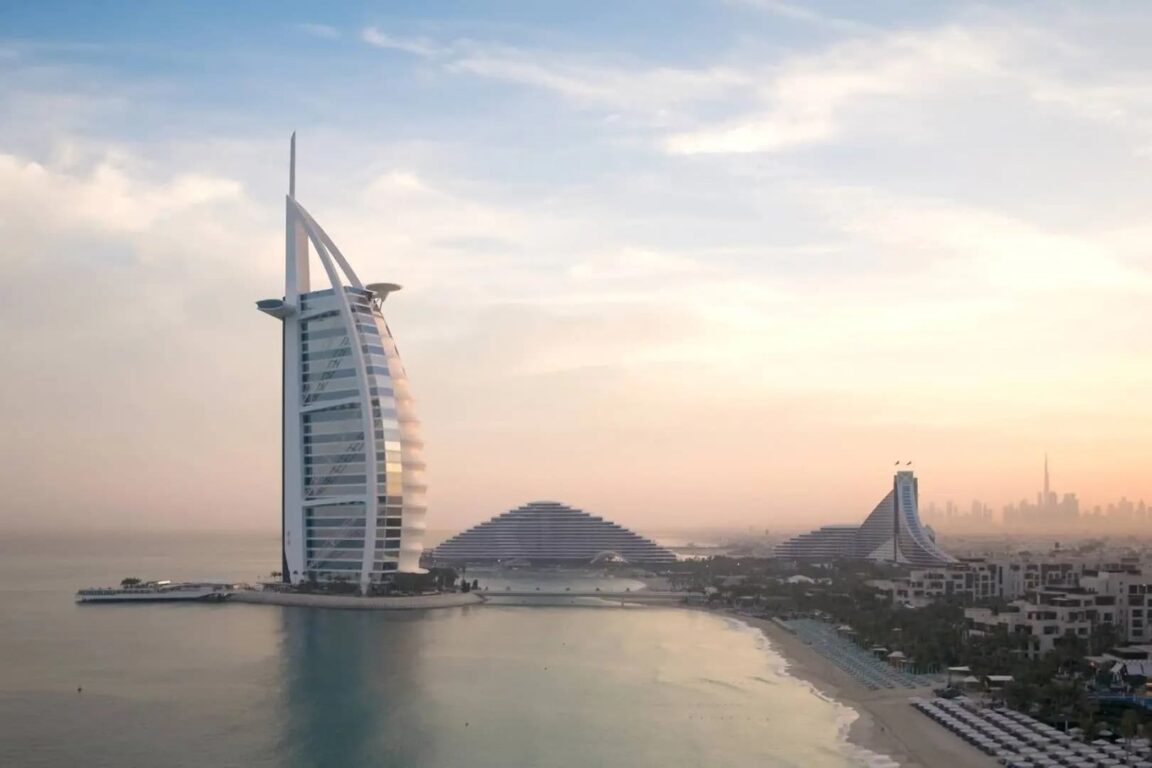
Book the Burj Al Arab if you want the Dubai icon itself, with every room a two floor duplex suite, a private island setting and a beach club terrace that reaches into the Gulf, and book somewhere else if you want a conventional luxury hotel at a lower nightly cost. Judged on format rather than fame, the hotel is an all suite property of 198 duplexes on its own island off Jumeirah Beach, and its value rests on space, service choreography and access to The Terrace, not on a standard room experience scaled up.
Quick Facts
- Location: On its own island about 280 metres off Jumeirah Beach, Dubai, linked to the mainland by a private bridge.
- Height and form: 321 metres tall, designed to resemble the sail of an Arabian dhow, opened in December 1999.
- Rooms: 198 suites, every one a duplex across two floors, from about 170 square metres for a one bedroom duplex.
- Signature facility: The Terrace, a 10,000 square metre outdoor deck with two temperature controlled pools and 32 air conditioned cabanas.
- Non guest access: By confirmed reservation only, through dining bookings or the official Inside Burj Al Arab tour.
- Status checked 16 November 2026: Jumeirah has announced a phased restoration programme, so confirm which facilities are operating on your dates before you book.
What is the suite format, and why does it change the stay?
There are no standard rooms at the Burj Al Arab. Jumeirah lists 198 suites and every one is a duplex, with living space on one level and sleeping space above, wrapped in floor to ceiling glass facing the Gulf of Arabia. The entry category, the one bedroom duplex, is listed at about 170 square metres, which is larger than many full apartments in Dubai. The range then climbs steeply. The Duplex Club Suite is listed at about 330 square metres, the two bedroom duplex at about 335 square metres, and the Diplomatic three bedroom duplex at about 670 square metres. In practice this means the decision is rarely about whether the suite is big enough. It is about view direction, floor height and how many separate living areas your group actually needs.
The duplex layout also shapes the rhythm of a stay. Downstairs living rooms become the working and gathering space, while the upstairs level stays quiet and private. Families travelling with children, and couples travelling with staff or extended family, tend to get the most from the format because the two levels allow genuinely separate routines under one door. Solo travellers and couples on a short city break should weigh the space honestly. If your plan is to spend most of the day out in the city, you are paying for square metres you will mostly sleep in, and a smaller suite category here still exceeds the largest suites at many rival hotels.
What does The Terrace add beyond a normal hotel pool deck?
The Terrace is the facility that most changes the maths of a stay. Jumeirah describes a 10,000 square metre outdoor leisure deck extending into the Gulf, with two temperature controlled outdoor pools, 32 air conditioned cabanas and a stretch of white sand, plus the SAL beach club and restaurant. The freshwater pool is listed at 612 square metres and the saltwater infinity pool at 828 square metres. That scale matters in Dubai, where summer heat makes an ordinary exposed pool deck hard to use for long stretches of the day. Air conditioned cabanas and temperature controlled water turn the pool area into an all day base rather than a brief morning swim.
Guests also have access to a private beach and to SAL Beach Club and Summersalt Beach Club under the published suite benefits, along with complimentary access to Wild Wadi Waterpark during the stay on current Jumeirah suite pages. Those inclusions should be checked against your exact booking, because benefits vary by suite and by offer. The practical point stands either way. This is a resort format inside a city icon, and travellers who plan to use the deck, the beach clubs and the waterpark will extract far more value than travellers who treat the hotel as a famous place to sleep.
How can non guests see inside, and what should they expect?
You cannot walk into the Burj Al Arab without a reservation. Access across the island bridge is controlled, and non guests enter with a confirmed dining booking or a ticket for the official Inside Burj Al Arab tour, booked in advance through the tour’s own portal. The tour is the structured option. It opens selected interior spaces, including a look at the hotel’s royal suite level presentation, and it is designed for visitors whose main goal is the architecture and the atrium rather than a meal. Dining bookings are the alternative route, with restaurants including Al Muntaha, SAL, Al Iwan and the Skyview Bar and Lounge in the current line up listed by Jumeirah.
For many Dubai visitors, the honest recommendation is to choose one of these two routes deliberately instead of booking a suite purely for access. A tour ticket or a well chosen lunch delivers the interior, the views and the service theatre at a fraction of a suite night, and it leaves your hotel budget free for a property whose room format suits a longer stay. If you compare how other landmark hotels handle the stay versus visit decision, our guide to Capella Singapore on Sentosa makes a similar case for matching the room format to the trip rather than to the reputation.
What should you know about the restoration programme before booking?
Jumeirah announced on 15 April 2026 that the Burj Al Arab will undergo a phased restoration programme, planned over approximately 18 months and led by interior architect Tristan Auer. The stated aim is preservation as much as change, safeguarding a building that has been operating since 1999. For travellers, the implication is practical rather than dramatic. Availability, restaurant operation and access to specific facilities may vary by phase, and third party booking channels have shown restricted availability across parts of the programme window.
The correct response is verification, not avoidance. Check the live availability and the facility notes for your exact dates on Jumeirah’s own site, confirm whether The Terrace, the spa and your preferred restaurants are operating, and get any must have inclusion confirmed in writing with your reservation. Travellers with fixed celebration dates should hold a refundable backup at another Jumeirah property until the operating picture for their week is confirmed. Our assessment of Four Seasons Hotel Seoul shows the same discipline applied to a city luxury stay, where the confirmed details of the specific booking matter more than the brand promise.
Who should book the Burj Al Arab, and who should book elsewhere?
Book it if the building itself is the point of the trip, if you are celebrating an occasion that justifies a duplex suite, or if your group will genuinely use The Terrace, the beach clubs and the included waterpark access across several days. The format rewards guests who stay on property and use it as a resort. Book elsewhere if you want a walkable city base, a conventional room at a lower price, or a quieter and less theatrical style of luxury. Dubai has excellent alternatives at every level, and the Burj Al Arab premium buys icon status and space, not a better location for sightseeing across the whole city.
It is also worth retiring the seven star label from your decision. The hotel’s official rating is five star luxury, and the seven star phrase is an informal journalistic tag rather than a formal classification. Judged on what is verifiable, the duplex format, the island setting, The Terrace and the controlled access model, the hotel remains a distinctive and defensible splurge for the right trip. Judged on fame alone, it is an expensive way to buy a photograph you could take from Umm Suqeim Beach for free. For a contrasting resort philosophy in the region, see our guide to The Datai Langkawi, where the setting rather than the building carries the stay.
Frequently Asked Questions
Can you visit the Burj Al Arab without staying there?
Yes, but only with a confirmed reservation. Non guests enter with a dining booking or a ticket for the official Inside Burj Al Arab tour, booked in advance. Walk up entry at the island bridge is not permitted.
How many suites does the Burj Al Arab have?
Jumeirah lists 198 suites, and every suite is a duplex across two floors. The one bedroom duplex starts at about 170 square metres, and the largest listed categories exceed 600 square metres.
What is The Terrace at the Burj Al Arab?
The Terrace is a 10,000 square metre outdoor deck extending into the Gulf, with two temperature controlled pools, 32 air conditioned cabanas, a sand beach area and the SAL beach club and restaurant.
Is the Burj Al Arab really a seven star hotel?
No formal seven star rating exists. The hotel is a five star luxury property, and the seven star description is an informal label that has followed it since opening. Its duplex suites and facilities are the verifiable basis for judging it.
Is the Burj Al Arab open during the restoration?
Jumeirah announced a phased restoration programme in April 2026, planned over approximately 18 months. Operating details vary by phase, so check live availability and facility notes for your exact dates on the official site before booking.
What is included with a suite booking?
Current Jumeirah suite pages list access to the private beach, SAL Beach Club, The Terrace pools and complimentary Wild Wadi Waterpark access during the stay, among other benefits. Inclusions vary by suite and offer, so confirm the benefits attached to your specific reservation.
Facts checked 16 November 2026 against Jumeirah’s official Burj Al Arab pages, the Jumeirah factsheet and the Jumeirah Media Hub restoration announcement of 15 April 2026. Prices were not published in this guide because live rates vary by date and restoration phase. Featured image: Jumeirah Burj Al Arab, Dubai, via Jumeirah official website (cdn.jumeirah.com).