 Hana Kim
Seoul’s Leeum Museum of Art is not free as a whole, and planning as if it were is the most common mistake visitors make. The traditional Korean art collection in Museum 1 is free, while the contemporary exhibitions are paid, ticketed shows. Verified on the museum’s official channels on 26 November 2026, the position is this: reserve ahead, expect to pay for special exhibitions, and treat the free permanent collection as the generous core of a two-building museum run by the Samsung Foundation of Culture in Hannam-dong, above Itaewon.
Quick Facts
- Where: 60-16 Itaewon-ro 55-gil, Yongsan-gu, Seoul, South Korea
- Run by: Samsung Foundation of Culture
- Hours: Tuesday to Sunday 10:00 to 18:00; last ticketing 17:30; closed Mondays
- Free: The permanent traditional Korean art collection display in Museum 1
- Paid: Special exhibitions, priced per show; combined and single-exhibition tickets sold
- Reservations: Online booking opens 14 days ahead, up to 4 tickets per person
- Nearest station: Hangangjin, Line 6, Exit 1
What are the two buildings, exactly?
Leeum is really two museums sharing one hillside site and one name, a contraction of the founder’s family name and the word museum. Museum 1, designed by Mario Botta, is a terracotta-clad cylinder holding traditional Korean art: celadon and white porcelain, buncheong ware, Buddhist painting, metalwork and calligraphy arranged as a quiet chronological ascent. Museum 2, designed by Jean Nouvel, is a dark, rusted-steel and glass box for modern and contemporary art, Korean and international. A third building by Rem Koolhaas houses education and event space. The architecture is not a backdrop. The contrast between Botta’s ceramic gravity and Nouvel’s industrial edge is the museum’s thesis in built form: Korean tradition and global contemporary practice, held in deliberate tension on one plot.
Our companion piece on pairing Leeum with the National Museum of Korea in one Seoul day covers the two-museum itinerary. This guide stays inside Leeum itself: what is free, what is paid, and how the reservation system actually works.
So what is free, and what costs money?
The free part is substantial. The Collection Display of traditional Korean art in Museum 1, the museum’s permanent antiquities galleries, carries no admission charge, and the outdoor garden works are also free to view. Everything else is a ticketed exhibition economy. Recent official listings price a single paid exhibition at 18,000 won and an all-exhibition pass at 25,000 won, with half-price admission on the last Wednesday of the month for Culture Day and a range of concession and free categories verified at the information desk with documents. Prices are set per exhibition season, so the figure that matters is the one on the museum’s official Leeum and Hoam website on the day you book, not any number in a guidebook. The museum’s own visit pages are explicit that exhibition fees differ by show, and that discounted or free entry is checked at the desk, which is why arriving with the right ID matters for students, seniors and pass holders.
How does the reservation system work?
Online reservations open 14 days before the visit date and are capped at four tickets per person. Groups of ten or more must reserve online in advance. On-site ticketing exists, and visitors without a booking can buy at the lobby information desk, but the museum itself warns that waits build when galleries are crowded, so a weekend visit without a reservation is a gamble. Entry runs in timed slots, with admission from shortly before the reserved time. The practical routine is simple: choose the exhibition first, then the date, book as a guest or member, and keep the confirmation on a phone. Korea’s official tourism portal also lists Leeum’s visitor essentials, including hours and contact numbers, which is a useful cross-check on the day of travel.
What should you see first inside?
Start in Museum 1 even if contemporary art is your main interest. The traditional galleries explain the visual vocabulary, celadon glazes, porcelain forms, ink conventions, that Korean contemporary artists in Museum 2 are quoting, bending or rejecting. The spiral route through Botta’s building is calm and legible, and the objects are superb: Goryeo celadon with inlaid decoration, Joseon white porcelain jars, Buddhist sculpture and painting that survived centuries of upheaval. Then cross to Museum 2 for the contemporary hang, where Korean postwar abstraction sits near international names. Visitors comparing museum cities will find a useful contrast in our guide to a visitor route through the British Museum in London: free everywhere, but crowd-managed in a completely different way.
How does Leeum pair with Itaewon and Hannam?
The museum sits in Hannam-dong, a short uphill walk from Hangangjin Station, at the edge of Itaewon. That geography makes the pairing easy: museum in the morning, then the restaurants, cafes and small shops of Hannam and Itaewon in the afternoon, with the Leeum Store and the museum cafe as the gentle version of the same plan. The walk from the station is uphill, which is trivial in spring and autumn and worth planning around in August humidity or January cold. Travellers who like museum districts with strong identities will also enjoy our Cape Town museum guide to Zeitz MOCAA and the V and A Waterfront silos, another single-building contemporary landmark with a very different collection politics.
What are the mistakes to avoid?
Four recur. Arriving on a Monday, when the museum is closed. Assuming the whole museum is free, then being surprised at the exhibition desk. Skipping the reservation for a popular special exhibition and losing an hour to the queue. And rushing Museum 1 to get to the contemporary shows, which inverts the museum’s own logic. A smaller fifth mistake is ignoring the museum’s notice board: Leeum posts temporary closures, shortened hours and booking-system maintenance windows there, and a two-minute check the night before protects the whole plan. Readers extending a Korea trip with an unusual onward leg can browse our Luanda and Angola destination coverage for a sense of how differently museum infrastructure works where foundations are younger.
How much time should you give Leeum?
Two hours is the honest minimum, and three is better. Museum 1 rewards slowness, because the traditional galleries are arranged as a sequence of material cultures, stoneware to porcelain to painting, and the labels assume a reader rather than a passer-by. Museum 2 changes pace entirely: larger rooms, contemporary scale, and exhibitions that can include installation and media work demanding time in the room rather than time in front of a label. Add the architecture itself, the Koolhaas education building, the outdoor works and the store, and a half day disappears without any sense of padding. Visitors on a tight Seoul schedule should cut the neighbourhood pairing, not the museum: Hannam’s cafes will be there on the next trip, while a rushed Leeum becomes a corridor of beautiful objects remembered as a blur.
What about the Hoam Museum, and who is Leeum best for?
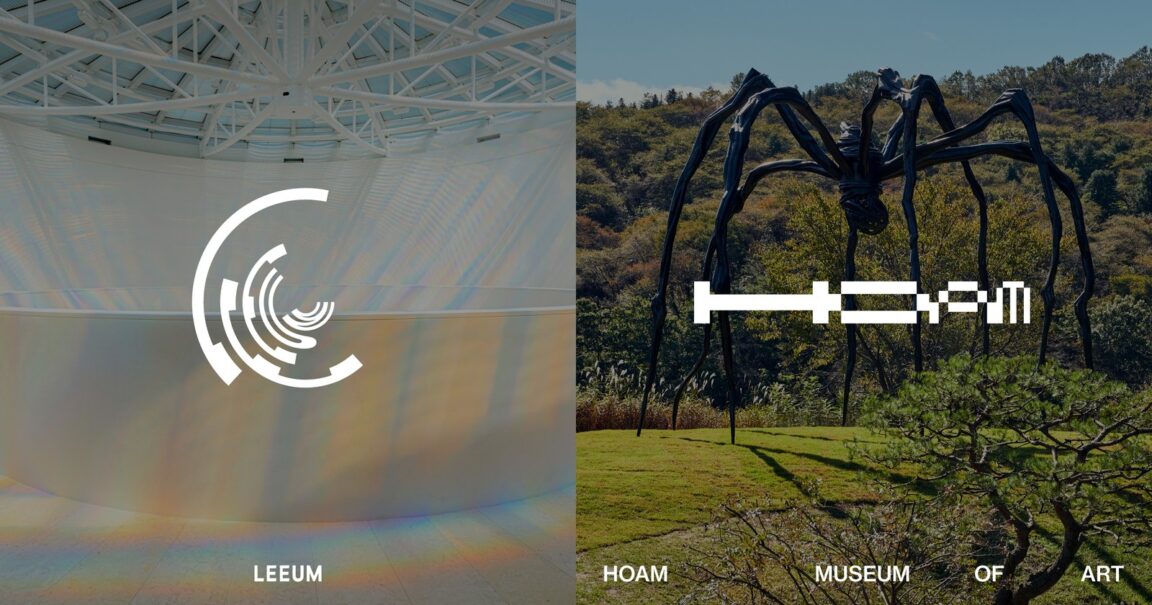
The same foundation runs the Hoam Museum of Art in Yongin, a traditional-art museum in a garden setting outside the city, and the two institutions share a reservation portal, which is why the official site carries both names. Leeum is the urban, one-visit version: the foundation’s collection depth in a single hillside complex. It suits travellers who want one definitive Seoul museum rather than a circuit, design-minded visitors who read buildings as exhibits, and anyone whose Korea itinerary has room for exactly one serious art stop. Families should note the education building and the museum’s children’s programming, which run on their own schedules and are listed separately on the official site. Check those listings before promising a child anything more specific than beautiful old pots and very large modern rooms, which, fairly presented, most children accept happily.
An independent English-language digest of the same official information, useful as a cross-check on ticket types and the four-ticket reservation cap, is the Korea Factbook Leeum page on hours, tickets and how to get there. Where any digest and the museum disagree, the museum’s own pages win.
Frequently asked questions
Is Leeum Museum free?
Partly. The permanent traditional Korean art collection in Museum 1 is free. Special contemporary exhibitions are paid and priced per show, with single-exhibition and all-exhibition tickets sold through the museum.
Do I need to reserve Leeum tickets in advance?
Reservations are strongly recommended. Online booking opens 14 days ahead, up to four tickets per person, and groups of ten or more must book online. On-site purchase is possible but queues form at busy times.
When is Leeum closed?
The museum is open Tuesday to Sunday, 10:00 to 18:00, with last ticketing at 17:30, and closed on Mondays. Temporary closures and shortened hours are posted on the museum’s official notice board.
How do I get to Leeum?
Take Line 6 to Hangangjin Station, Exit 1, then walk uphill to 60-16 Itaewon-ro 55-gil in Hannam-dong. Allow extra time for the slope in hot or icy weather.
Image credit: Leeum Museum of Art, Seoul. Photo from the Leeum Museum of Art official website (leeumhoam.org).