 Wei Chen
Tainan is where Taiwan’s recorded history starts, and it still reads like the island’s first draft. The Dutch East India Company built Fort Zeelandia at Anping in 1624, Koxinga took the island from the Dutch in 1662 and made Tainan his capital, and the city remained Taiwan’s seat of government for more than two centuries. The physical evidence is unusually concentrated: two Dutch forts, Taiwan’s first Confucius Temple and first school, a dense old city of working temples, and, layered over all of it, a food culture that locals across Taiwan treat as the island’s original kitchen, built on breakfast beef soup, milkfish, danzi noodles and shrimp rolls. Give the city at least two full days, one for the old city core and one for Anping, and plan each day around meals as seriously as around sights.
Quick Facts: Tainan at a Glance
- Why go: Taiwan’s oldest city, its former capital, and the place where Dutch, Ming, Qing and Japanese layers sit within walking distance of each other.
- Headline sights: Anping Old Fort, the site of Fort Zeelandia from 1624; Chihkan Tower, the site of Fort Provintia from 1653; and the Tainan Confucius Temple, founded in 1665 and honoured as the First Academy of Taiwan.
- Ticket pattern: The main municipal historic sites, including Anping Old Fort and Chihkan Tower, post adult admission at NT$70 at the gate, with concessions available and the on-site notice governing, per Tainan City listings checked in November 2026.
- Best base: The West Central District old city, around Shennong Street and the Confucius Temple, where temples, food streets and night markets fall within walking distance.
- Getting there: High speed rail from Taipei reaches Tainan in about 1 hour 45 minutes, then a shuttle or local train connects the HSR station to the old city.
- Time needed: Two full days minimum, one for the old city and one for Anping, with an evening kept for Shennong Street and a night market.
- Entry paperwork: Most visitors file Taiwan’s online arrival card before landing. See the paperwork section below before you fly.
Where Does Tainan’s Story Begin? Anping and Fort Zeelandia
Start at the coast, where the city started. Anping was a sandbar island at the mouth of the Taijiang inner sea when the Dutch occupied it in 1624 and built Fort Zeelandia, completing the stronghold in 1634 as their main base in the region. Koxinga’s forces took the fort in 1662 after a long siege, and Koxinga renamed the settlement Anping. Today’s Anping Old Fort keeps a stretch of original Dutch period red brick wall on its south side, a small museum, later pavilions and a white lookout tower with views over the rooftops to the sea. It is a layered site rather than a preserved Dutch castle, and reading it that way, as four centuries stacked on one plot, is the right way to visit.
What else should you see in Anping?
Pair the fort with the Anping Tree House, a former warehouse whose roots and branches have taken the building over, and with Anping Old Street, one of Taiwan’s earliest streets, now lined with snack stalls selling shrimp rolls and shrimp crackers. The Eternal Golden Castle, a 19th century coastal fort built against a French threat, completes the military story a short ride south, and the district’s temples, including the Anping Kaitai Tianhou Temple, one of Taiwan’s oldest Mazu temples, show the spiritual layer that grew up beside the garrison. Ticketed Anping sites follow the same NT$70 municipal pattern, and none keeps a weekly closing day, which makes Anping an easy half day to schedule.
What Should You See in the Old City Core?
Chihkan Tower: Fort Provintia in Chinese dress
Back in the old city, Chihkan Tower began as Fort Provintia, the Dutch administrative centre built in 1653 on the mainland side. What stands now is a Chinese pavilion complex rebuilt in the 19th century on the old foundations, set in gardens with nine Qing dynasty stone tortoises carrying imperial steles on their backs. The site keeps unusually long hours, opening into the evening, and the floodlit pavilions after dark are one of the best night sights in the city. It is the natural first stop of an old city day, a few minutes on foot from the Grand Mazu Temple and the Official God of War Temple, two of the working temples that give central Tainan its incense and drumbeat.
The Confucius Temple: Taiwan’s first school
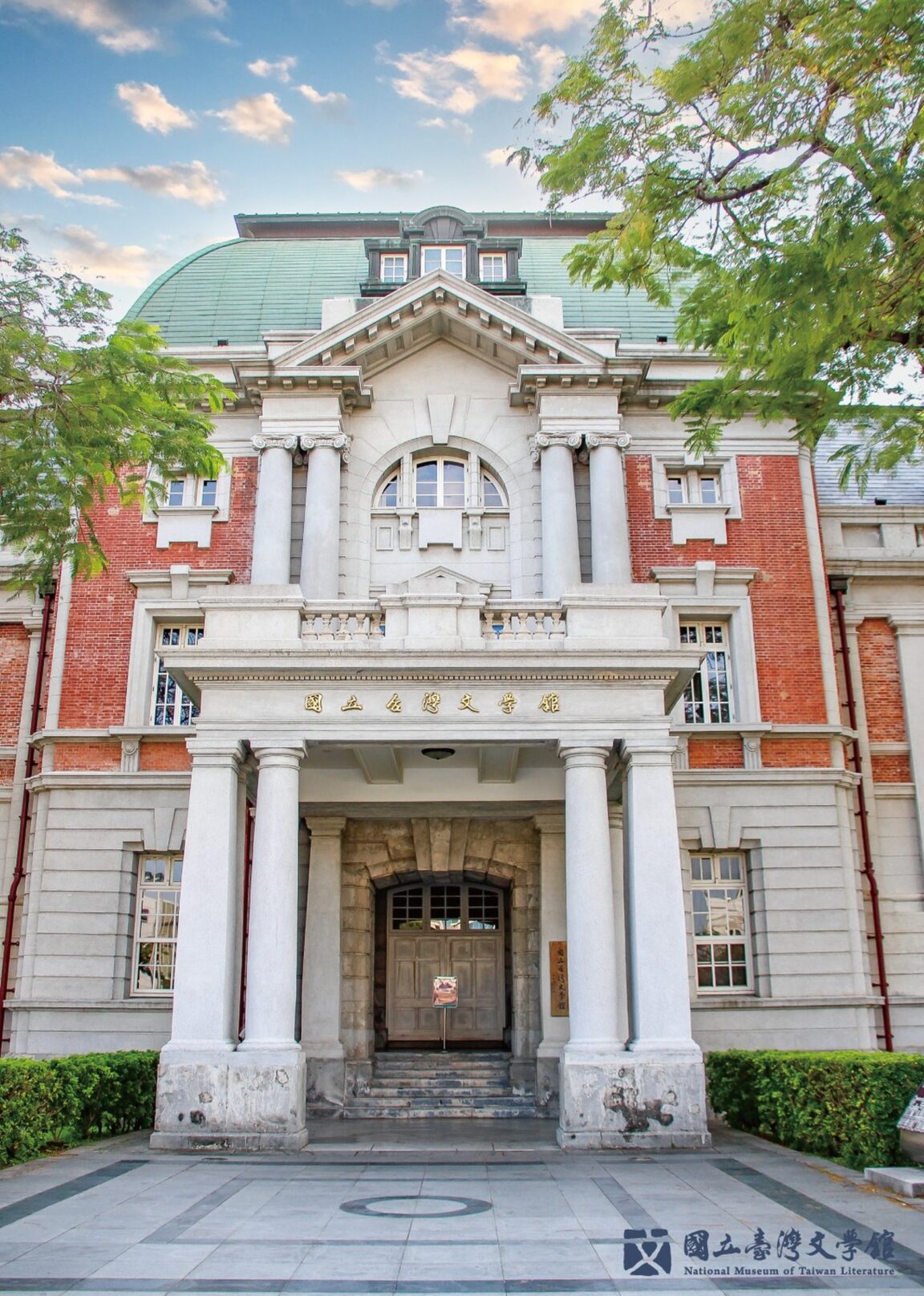
Ten minutes south, the Tainan Confucius Temple was founded in 1665 by Zheng Jing, Koxinga’s son, as both the island’s first Confucius temple and its first official school, which is why the plaque at the gate reads First Academy of Taiwan. The walled compound of red walls, banyan shade and quiet courtyards around the Dacheng Hall is deliberately plainer than the city’s Taoist and Buddhist temples, with no images of gods, and it rewards a slow visit on a weekday morning. Across the road, the former Tainan Prefecture Hall of 1916, a Japanese era building by architect Moriyama Matsunosuke, now houses the National Museum of Taiwan Literature, an easy pairing that carries the story from the 17th century to the 20th in a single block.
Where Are Tainan’s Oldest Food Streets?
Tainan’s food is not a sideshow to the history, it is half the reason the city matters. The canon is specific. Breakfast is beef soup, slices of local beef poached in a clear hot broth, eaten early with ginger and rice, a habit built on the city’s cattle markets and one that visitors should adopt at least once at an unglamorous morning stall. Danzi noodles, a small bowl of wheat noodles in a shrimp broth with minced pork, were devised in the 19th century by a fisherman selling noodles in the slack season, and the small portion is the point: it leaves room. Milkfish, farmed in the ponds around the city for centuries, appears as porridge, belly soup and fried fillets. Shrimp rolls, coffin bread filled with a creamy seafood chowder, and eel noodles round out an Anping and old city circuit, and Guohua Street and the lanes around the Confucius Temple concentrate many of the best known stalls within walking distance.
Shennong Street and the night markets after dark
End the old city day on Shennong Street, the best preserved Qing dynasty commercial lane in Tainan, a few hundred metres of old shophouses in the West Central District that now hold craft shops, tea rooms and small bars under strings of lanterns. Go at dusk, when the lanterns come on and the street fills. Then follow the calendar to whichever night market is on that night, because Tainan’s big markets rotate by weekday, and grazing through one is the correct local dinner. Travellers who like their historic cities slow and food led will find a kindred read in our guide to Jeonju in South Korea, its hanok roofs and bibimbap, which makes the same argument for a former capital two hours from the modern one.
How Do You Plan Two Days in Tainan?
Day one belongs to the old city. Begin at Chihkan Tower, walk the temple cluster around it, eat danzi noodles for lunch, spend the quiet middle of the day at the Confucius Temple and the National Museum of Taiwan Literature, and finish on Shennong Street and at the night market that is open that evening. Day two belongs to Anping. Start with beef soup for breakfast, take the bus or a taxi to Anping Old Fort in the morning, add the Tree House and Old Street, eat shrimp rolls for lunch, and walk the castle and the canal side in the afternoon before returning to the old city. Keep temples respectful and practical: shoulders covered where signs ask, no flash photography during worship, and small bills ready for the donation box rather than the altar.
Before any of it, sort the arrival paperwork. Taiwan’s online arrival card, the TWAC, is now the standard filing for foreign visitors, and our explainer on Taiwan’s online arrival card, who files the TWAC and when, walks through who must file it and how early. File it before you fly and Tainan’s first morning can start at a beef soup stall, not at a form.
Frequently Asked Questions About Visiting Tainan
How many days do you need in Tainan?
Two full days is the honest minimum, one for the old city core and one for Anping. A single day trip from Taipei or Kaohsiung can cover Chihkan Tower, the Confucius Temple and Shennong Street, but it will miss Anping and most of the food culture that makes the city worth the journey.
What is the difference between Anping Old Fort and Chihkan Tower?
Both began as Dutch forts. Anping Old Fort is the site of Fort Zeelandia, built from 1624 on the coast at Anping, the Dutch main base. Chihkan Tower is the site of Fort Provintia, built in 1653 in what is now the old city centre, later rebuilt as a Chinese pavilion complex. See Anping for the coastal origin story and Chihkan for the evening atmosphere.
How much do Tainan’s historic sites cost?
The main municipal sites, including Anping Old Fort, Chihkan Tower and the Eternal Golden Castle, post adult admission at NT$70 at the gate in current Tainan City listings, with half price concessions and free entry in some cases for Tainan residents with ID. The city notes that prices are for reference and the on-site notice governs, so carry small bills and treat NT$70 as the posted rate, not a guarantee.
What food is Tainan famous for?
Breakfast beef soup, danzi noodles, milkfish in its many forms, shrimp rolls, coffin bread and eel noodles. The dishes are served in small portions at stalls concentrated on and around Guohua Street, in Anping and around the Confucius Temple, and eating several small meals is the local pattern rather than one large one.
How do you get to Tainan from Taipei?
By high speed rail in about 1 hour 45 minutes to Tainan HSR station, then a free shuttle bus or the local rail connection into the old city. The conventional railway station sits at the edge of the old city itself and suits travellers arriving on regular trains from Kaohsiung or Chiayi.
Site hours, admission prices and market days change. Historic site details and admission patterns in this guide were checked on 13 November 2026 against Tainan City Government Tourism Bureau and Taiwan Tourism Administration listings. Confirm the posted notice at each gate before you rely on a price or a closing time.