 River Callahan
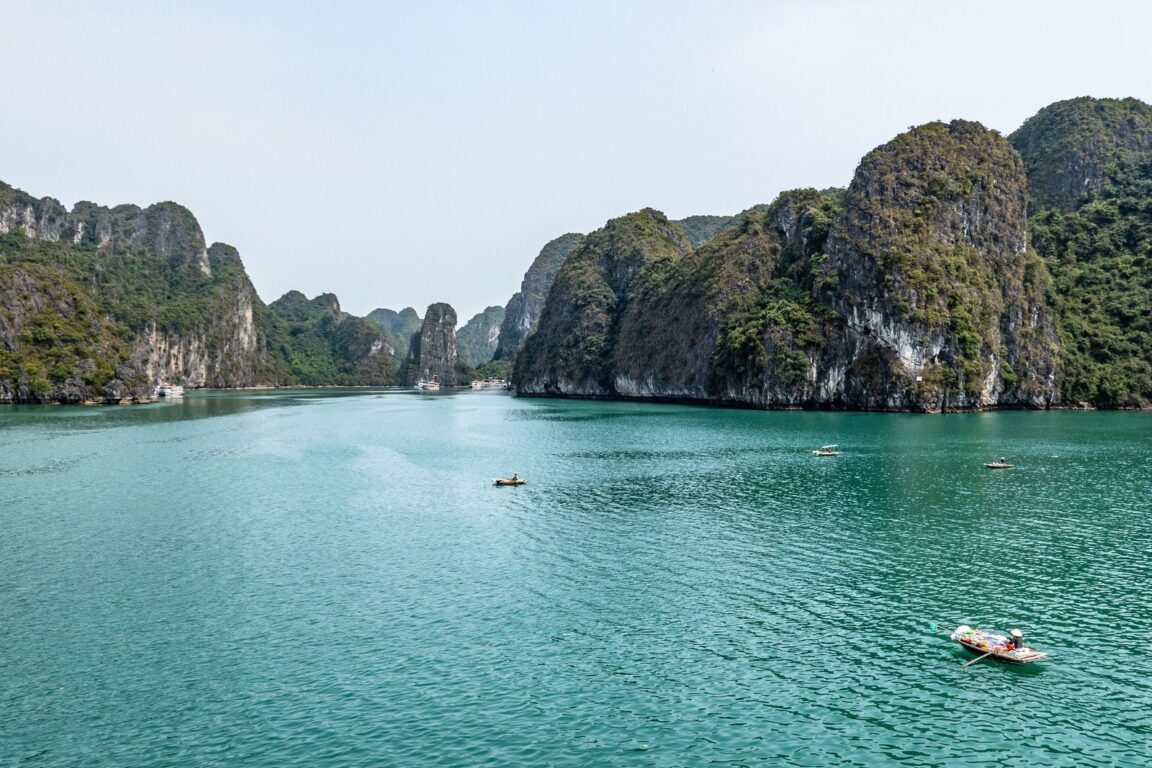
Choose your cruise by its route number and its written kayaking stops, not by its star rating: in Ha Long Bay, kayaking only happens at designated points, and the classic one is Luon Cave, a low tunnel through Bo Hon island into a cliff ringed lagoon that you enter by kayak or bamboo boat and in no other way. A cruise that names Luon Cave, and ideally a floating village such as Cua Van or Vung Vieng, on a two or three day itinerary will actually put you in a kayak. A cruise that says kayaking in its brochure but names no stops may give you thirty minutes beside the boat, or none. This guide explains how the route system decides your paddling before you book, so you can check any itinerary in five minutes.
Quick Facts
- The setting: Ha Long Bay in Quang Ninh province, a UNESCO World Heritage Site of limestone karsts and islands, more than 1,900 of them by the count used by cruise operators in the bay.
- The kayaking rule: Kayaking is allowed only in designated areas. Your cruise takes you to them; you cannot launch independently wherever you like.
- The signature stop: Luon Cave on Bo Hon island, a tunnel into an enclosed lagoon, reached by kayak or a bamboo boat rowed for you, on the route that also serves Sung Sot Cave and Ti Top island.
- The floating villages: Cua Van, served by a different numbered route, and Vung Vieng are the two names to look for. Visits are by kayak or local rowing boat.
- The format that paddles most: Two nights beats one. The middle day of a three day cruise is when village visits and longer paddling usually happen.
- The check to run before booking: Ask the operator to name, in writing, the kayaking points on your sailing, whether kayaking is included or charged on the day, and what replaces it in bad weather.
How does the route system decide your kayaking?
Ha Long Bay sightseeing runs on numbered routes set for the bay, and cruise boats follow the route their itinerary is built on. That administrative fact is the most useful thing a kayaker can know, because the route, not the boat marketing, fixes which caves and kayak points are even possible on your sailing. The best known combination pairs Sung Sot, the large walk through cave on Bo Hon island, with Luon Cave and Ti Top island: walk a cavern in the morning, paddle a lagoon later. Another route serves the Cua Van floating village area, which is a paddling and rowing boat visit rather than a cave. When you compare cruises, compare routes and named stops first and cabin photographs last. Two boats of very different prices on the same route will paddle in the same places; two boats at the same price on different routes will not.
What is Luon Cave actually like to paddle?
Luon is not a cavern you walk through. It is a short, low arch tunnel cut through the foot of the cliff, and passing under it is the whole point: kayakers duck, drift and paddle through into a still lagoon enclosed on every side by limestone walls and forest. Inside, the water is calm and sheltered, the scale shrinks from bay sized to intimate, and the wildlife replaces the cruise traffic, with monkeys sometimes visible on the cliffs above. Sessions here are short, typically well under an hour of paddling, because the lagoon is small and the stop is shared with every other boat on the route that day. Choose the kayak over the bamboo boat if you want to paddle at all, obviously, but know that the bamboo boat, rowed by a local, is a perfectly good option for nervous paddlers, children and anyone who would rather look than steer. Go early in the stop, when your tender arrives, rather than last, when the queue at the arch compresses everyone remaining visit.
Can you kayak inside the big caves?
No. The walk through caves such as Sung Sot are walking visits, up steps and through lit chambers, and kayaks are not part of them. Kayaking in this bay means the designated open water points: lagoon tunnels like Luon, the village areas, and a handful of other named spots that operators list per route, such as the pearl farm area or the Dark and Bright Cave area in neighbouring Lan Ha Bay, which some Cat Ba based cruises serve instead. If paddling matters more to you than the classic cave, ask operators about Lan Ha and Bai Tu Long routings as alternatives; both are the same karst seascape with, in general, fewer boats at the kayak points, though the named stops still decide everything.
What happens at the floating villages?
A village stop, at Cua Van on its route or at Vung Vieng on others, is the cultural half of the paddling day. These are communities that lived on the water in floating houses, fishing the bay, and a visit runs by kayak or by a small boat rowed by a villager, past the houses, the floating school and fish pens, at a pace slow enough to understand how a life without land under it actually works. Behave as a guest: photograph respectfully and ask before close photographs of people, do not hand out sweets or money to children, and buy nothing you are pressured into at the dock. Note that many residents have been resettled ashore over the years and villages today are smaller and more managed than the brochures suggest, which is worth knowing so the reality does not feel like a disappointment. It remains one of the few stops in the bay that is about people rather than geology. If your Vietnam planning is still open, our 2 days in Hoi An itinerary pairs naturally with a Ha Long cruise at the other end of the country.
Which cruise format should a paddler book?
Book at least one night on the water, and two if kayaking is the reason for the trip. A day cruise can reach Luon Cave on its route, and for a traveller with one spare day in Hanoi it is a legitimate taster, but the paddling is the shortest version, shared with the largest number of other day boats. A two day, one night cruise gives you the Luon paddle plus sunset and a morning on the bay. A three day, two night cruise is the paddler pick, because its middle day is typically given to a day boat programme deeper into the bay, which is where village paddling at Cua Van or a second kayak area usually sits. Whatever the format, get the kayaking terms in writing before you pay: whether kayaking is included in the fare or charged per session on board, because both models exist in this bay, whether life jackets are provided in your size range, and what the operator substitutes when weather closes the kayak points, which happens and is a safety call you want them to make. Sort your entry paperwork separately and early too; our Vietnam 90 day e visa guide explains who qualifies and which entry points count.
When should you go, and what should you wear to paddle?
Autumn, roughly September to November, and spring are the comfortable windows: summer brings heat, humidity and storm risk that can cancel water activities, and winter can be grey and surprisingly cold on the water despite mild air temperatures ashore. For the paddle itself you need almost nothing special, which is the good news: quick drying clothes you do not mind getting splashed, sun protection, a hat that stays on, and a dry bag or waterproof phone case, because everything in an open kayak gets dripped on by your own paddle if by nothing else. Bare feet or sandals that strap on work better than trainers in the boat. Leave valuables on the cruise boat. Then manage your own expectations to the bay real scale: sessions are short, supervised and in set places, and that structure is the price of paddling a protected, crowded World Heritage seascape at all. Judged on those terms, an hour ducking through the Luon arch into still green water is worth building a cruise choice around.
Frequently Asked Questions
Can you kayak anywhere in Ha Long Bay?
No. Kayaking is restricted to designated areas, and your cruise decides which ones you reach by the route it sails. Named stops such as Luon Cave and the floating villages are the reliable paddling points.
What is the difference between Luon Cave by kayak and by bamboo boat?
Both pass through the same low tunnel into the same enclosed lagoon on Bo Hon island. In a kayak you paddle yourself, usually in a two person boat; in a bamboo boat a local rows you. Choose the kayak to paddle, the boat to relax or if you are unsure on the water.
Is one night on a cruise enough for kayaking?
Enough for the Luon Cave paddle, yes. For village paddling and a second kayak area, book two nights, because the deeper programme usually runs on the middle day of a three day cruise.
Is kayaking included in the cruise price?
It depends on the operator, and both models exist: some include kayaking, others charge per session on the day, and small official service charges apply at some points. Confirm in writing before booking rather than assuming.
What happens if weather cancels the kayaking?
The stop is replaced or dropped for safety, and the cruise continues with its cave and island visits. Ask in advance what the substitution policy is, and travel in autumn or spring to lower the odds.
Route, cave and village details checked against Ha Long Bay operator itineraries and bay management information on 13 November 2026. Itineraries change with weather, tides and port rules, so confirm your sailing named stops with the operator before paying.