 Hana Kim
Pack a proper waterproof shell and waterproof trousers, insulated layers you can stack, broken in waterproof boots, and exactly one pub outfit that works over a base layer, and you have solved autumn in the Scottish Highlands. Everything else is refinement. Autumn here, September to November, means daylight shrinking week by week, daytime temperatures falling from the mid teens in September toward single figures by November, and rain that arrives horizontally and without much warning. Midges, the summer torment, fade through September and are generally gone by mid to late October, which is why this season needs a different bag from a summer one: less insect armour, far more water and wind armour.
Quick Facts
- The season: September to November. September is the mildest and often the wettest feeling month, October brings peak autumn colour, and November turns properly cold and dark at the edges of the day.
- The temperatures to pack for: Daytime averages fall from around 14 degrees Celsius in September to around 10 to 11 in October and lower by November, with nights several degrees colder. Pack for near freezing evenings even if your forecast looks kind.
- The midges verdict: Midge season runs roughly June to September. Activity drops sharply in September and generally ends by mid to late October, per VisitScotland advice. Early September walkers should still pack repellent; late October walkers mostly will not need it.
- The non negotiables: Waterproof jacket with a real hood, waterproof overtrousers, waterproof boots, a warm hat and gloves, and a dry bag system inside your pack.
- The one bag logic: Three walking outfits that layer over each other, one pub outfit, and nothing that only works in dry weather.
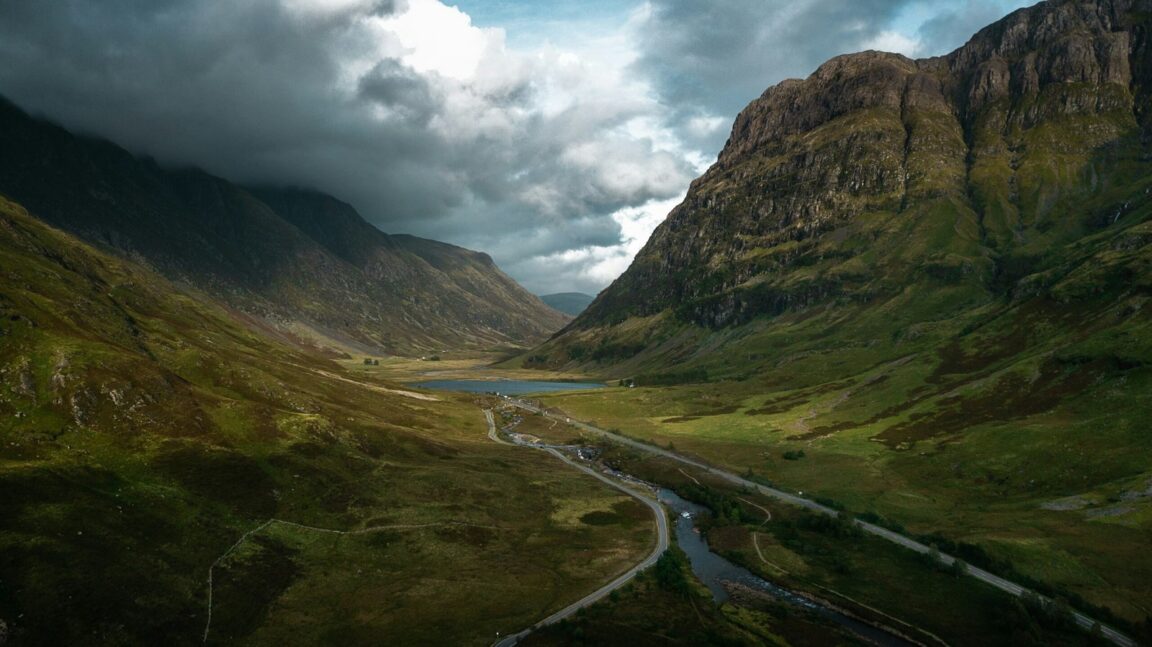
- The colour bonus: Highland Perthshire and the great glens turn gold and russet through October, which is the visual argument for tolerating the weather.
What does the waterproof system actually consist of?
Three pieces, bought or checked before anything else goes in the bag. First, a waterproof shell jacket with sealed seams, a hood that fits over a hat, and enough length to cover the top of your trousers; fashion rain jackets that wet through in an hour fail the Highlands test. Second, waterproof overtrousers, the item first time visitors most often skip and most often regret, because on a boggy path in wind driven rain your legs, not your torso, take the weather. Third, waterproof boots with ankle support and a tread that grips wet stone, broken in at home. Test the whole system before the trip: if you bought the jacket for this journey, wear it in a real shower of rain on a local walk first. A Highlands road trip, glen by glen, gives you no dry shop window in which to discover the seams leak. The layering logic behind this system is the same one we use for Ireland in spring in our Ireland spring packing guide, with the insulation dialled up a notch for Scottish autumn.
How do the layers stack for a walking day?
Base, warmth, shell, in that order, every day. The base layer should be merino wool or synthetic, never cotton, because cotton holds sweat and Highland rain against the skin and chills you the moment you stop. Pack three base tops and rotate them. The warmth layer is where autumn differs from summer: bring two, a lighter fleece for September and October walking and a proper insulated jacket for stops, summits, boat trips and November, rather than one compromise layer that is wrong in both directions. Walking trousers should be quick drying and unrestrictive, two pairs, so one can dry on a radiator while you wear the other. Add a warm hat, gloves you can still use a phone and a zip while wearing, and a neck gaiter that doubles as a face shield when the wind comes down a glen. Socks matter more than their size suggests: three or four pairs of wool hiking socks, because wet feet end walking days earlier than tired legs do.
What about the bog, specifically?
Highland paths cross peat and bog even on popular routes, and autumn rain keeps them saturated. That is why the boots are waterproof rather than merely sturdy, why gaiters earn their small space in the bag by keeping water and grit out of boot tops on the worst stretches, and why a spare pair of socks lives in a dry bag in your daypack, not back at the accommodation. Change into them at the lunch stop on a wet day and the afternoon feels like a second walk. Trekking poles are optional and personal; on greasy descents after rain, many walkers are glad of one.
Why are the evenings midges free, and what does that change?
Because the season, not a product, does the work. Midges thrive in warm, still, damp summer conditions and fade as nights cool and the first frosts arrive. VisitScotland guidance puts the season from around June into September, with activity possible on mild, sheltered September days and generally finished by mid to late October. The packing consequence is freeing: a September traveller packs a small bottle of repellent and, for still evenings near water, perhaps a head net in the daypack, and an October or November traveller can leave the whole anti midge kit at home and spend the space on an extra warmth layer instead, which is the trade the season is really offering. Do not over correct in September, though. One calm, damp evening by a loch in the first half of the month can still produce midges, and the repellent bottle is small.
What is the one pub outfit?
One outfit, chosen to do every evening of the trip: dark, crease resistant trousers or a skirt that pairs with your warmest knit, a collared shirt or a clean sweater that has not been worn walking that day, and your boots cleaned up or a pair of light shoes if your bag allows. Highland village pubs and hotel dining rooms in autumn are warm, informal and full of other walkers in similar kit; nobody expects town clothes, and overdressing wastes the bag space your layers need. The trick is separation, not formality: evening clothes live in their own packing cube and are never walked in, so they stay dry, clean and free of the day weather. If your trip starts or ends with a city night, our Edinburgh guide covers the capital end of a Scotland itinerary, where the same outfit works a step smarter.
What goes in the daypack, and what stays behind?
The daypack carries the weather system, not the wardrobe: shell jacket and overtrousers on any day with rain in the forecast, which in practice means most days, the insulated jacket, hat and gloves, spare socks in a dry bag, water, food, a head torch as the afternoons shorten, and your phone with offline maps downloaded, because Highland signal gaps are normal. Everything else stays at the accommodation in cubes sorted by function: walking clothes, evening outfit, wash kit, and a laundry bag that quarantines wet gear from dry. One more autumn specific item earns its place in the car rather than the pack: a large dry bag or boot box in the boot of the car, so soaked boots and overtrousers travel between stops without soaking everything else. Dry the waterproofs inside out each night and reproof them before the trip, not during it; autumn is when tired water repellent coatings give up.
Frequently Asked Questions
Are there really no midges in the Highlands in autumn?
Mostly, with a September caveat. Midge season runs roughly June to September, activity falls sharply as nights cool, and by mid to late October midges are generally finished. Pack repellent for an early September trip, especially for still evenings near water, and skip it later in the season.
How cold is the Scottish Highlands in October?
Expect daytime temperatures around 10 to 11 degrees Celsius on average, colder on high ground and in wind, with nights approaching freezing by the end of the month. Pack the full layer system, hat and gloves rather than relying on averages.
Do I need waterproof trousers, or is a good jacket enough?
You need both. In wind driven rain on open, boggy ground, legs and boots take as much water as your torso. Waterproof overtrousers and waterproof boots are the two items autumn walkers most regret leaving behind.
Can I do the whole trip in one carry on sized bag?
Yes, if the wardrobe is disciplined: three rotating base layers, two warmth layers, two pairs of walking trousers, one pub outfit and the waterproof system. Bulky insulated jackets are the squeeze point, so wear the biggest layer on travel days.
What footwear works for both boggy paths and village evenings?
Broken in waterproof hiking boots for every walking day, cleaned up for the pub, plus light shoes only if space allows. Never bring new boots to the Highlands in autumn.
Seasonal temperatures and midge season timing checked against VisitScotland advice and Met Office seasonal patterns on 13 November 2026. Check the mountain forecast for your specific glens before each walking day.