 Sofia Rossi
The best hot water in Iceland costs 1,500 krona at the door of a municipal swimming pool, not a premium timed ticket at a famous lagoon. Almost every Icelandic town keeps a geothermal pool, a sundlaug, with a lap pool, a row of hot pots at graded temperatures and a steam room, open early and late all year. Add the river soaks and small rural pools for the wild version, learn the one etiquette rule that matters, the thorough shower without a swimsuit before entering the water, and the Blue Lagoon becomes what it should be: an optional extra near the airport, not the definition of bathing in Iceland.
Quick Facts
- What a hot pot is: A heitur pottur, a small communal hot tub, usually one of several at a local pool, kept at graded temperatures from about 38 to 44 degrees Celsius.
- Local pool price: City of Reykjavik pools charge 1,500 ISK for an adult, 400 ISK for ages 10 to 17, and nothing for under 10s, under the fee schedule in force since 5 May 2026. A ten visit adult pass costs 7,000 ISK.
- City Card: The Reykjavik City Card includes free entry to all eight city pools, at 6,100 ISK for 24 hours, 8,500 ISK for 48 hours and 10,500 ISK for 72 hours.
- Reykjavik hours: The big city pools generally open 06:30 to 22:00 on weekdays and 08:00 to 22:00 at weekends. No booking: pay at the door and walk in.
- The rule: Shower thoroughly, without a swimsuit, with soap, before entering any pool or lagoon. Attendants enforce it, and pools use very little chlorine because of it.
- Phones: No phones or cameras in local pool changing rooms or pool areas. The local pool is a private, social space, not a photo set.
Which Reykjavik pool should you choose?
Laugardalslaug is the flagship, the largest complex in the capital, in the Laugardalur valley east of the centre: a 50 metre outdoor lap pool, a spread of hot pots at different temperatures, a steam room, a saltwater tub and slides that keep children in the water rather than the hot pots. It is the one pool other visitors have heard of, and the easiest recommendation for a first local soak. Sundhollin is the connoisseur choice, the oldest public pool in Iceland, a 1937 building on Baronstigur a short walk from the main shopping street, with a 25 metre indoor pool, outdoor hot pots and a rooftop deck. It is smaller, calmer and architecturally the most interesting hour you can spend in warm water in the city. Vesturbaejarlaug, in the west end, is the neighbourhood version of the same idea: fewer visitors, more regulars, and the truest sense of the pool as the local living room.
The pattern repeats nationwide, and it is the real itinerary advice in this article. Akureyri, Isafjordur, Husavik, Hofn and every ring road town of any size keeps its own pool, heated geothermally, priced for residents and open in weather that closes every other attraction. On a storm day in February the local sundlaug is not the backup plan; it is the plan. Pair a Reykjavik pool morning with the city itself using our Reykjavik 2 day plan, and dress for the walk between changing room and water with our guide to what to pack for Iceland in winter.
What are the river soaks and rural pools?
Beyond the municipal network sit the soaks Icelanders argue about. Reykjadalur, the steam valley above the town of Hveragerdi, is the classic river soak: a hike of about an hour up a geothermal valley to a warm river where hot and cold streams mix, with boardwalks and simple changing screens at the bathing stretch. The temperature varies along the river and after rain, so the local method applies: test the water where you intend to sit, move upstream for warmer and downstream for cooler, and never enter any Icelandic hot water whose temperature you have not checked, because geothermal water can be scalding a metre from where it is perfect. Landmannalaugar, in the highlands, pairs its famous rhyolite mountains with a natural hot river at the campsite, but it is a summer destination reached on highland roads that close outside the season.
The rural built pools split the difference between wild and municipal. The Secret Lagoon at Fludir, one of the oldest pools in Iceland, keeps its water at about 38 to 40 degrees in a natural setting of steam and moss on the Golden Circle route, at a price between a town pool and the big lagoons. Hrunalaug, near Fludir, is the small stone built pool of photographs, tiny, basic and dependent on visitors behaving well and paying the honesty fee that keeps it open. Nautholsvik, Reykjavik’s geothermal beach, puts hot tubs beside a sheltered seawater lagoon in the city itself, with a small seasonal charge outside the free summer period. None of these needs the advance booking machinery of the famous lagoons, and all of them need the same respect: they survive on visitors leaving them exactly as found.
What is the etiquette that actually matters?
One rule outranks every other, and visitors embarrass themselves over it exactly once. Before entering any Icelandic pool or lagoon you must shower thoroughly, without your swimsuit, washing with soap the areas the famous changing room diagrams highlight: hair, armpits, groin and feet. This is not modesty theatre. Icelandic pools run on very low chlorine because the water stays clean when every bather enters it clean, and attendants do check, politely and firmly. Shoes come off at the changing room entrance. Swimwear itself must be clean and is worn in the water; bathing naked is not allowed. After that, the hot pot code is social rather than hygienic. Greet people as you get in. Keep conversation at living room volume, because the hot pot is where Iceland talks: weather, news, football and local politics, at graded temperatures where the 40 to 42 degree pots host the talk and the hottest pots, up to about 44 degrees, are for short, serious soaks. Start cooler than you think, make room when someone arrives, keep food, drink and glass away from the water, supervise children closely, and leave the phone in the locker. Photography that is welcome at the big lagoons is prohibited in local pools, and that privacy is precisely what regulars are protecting.
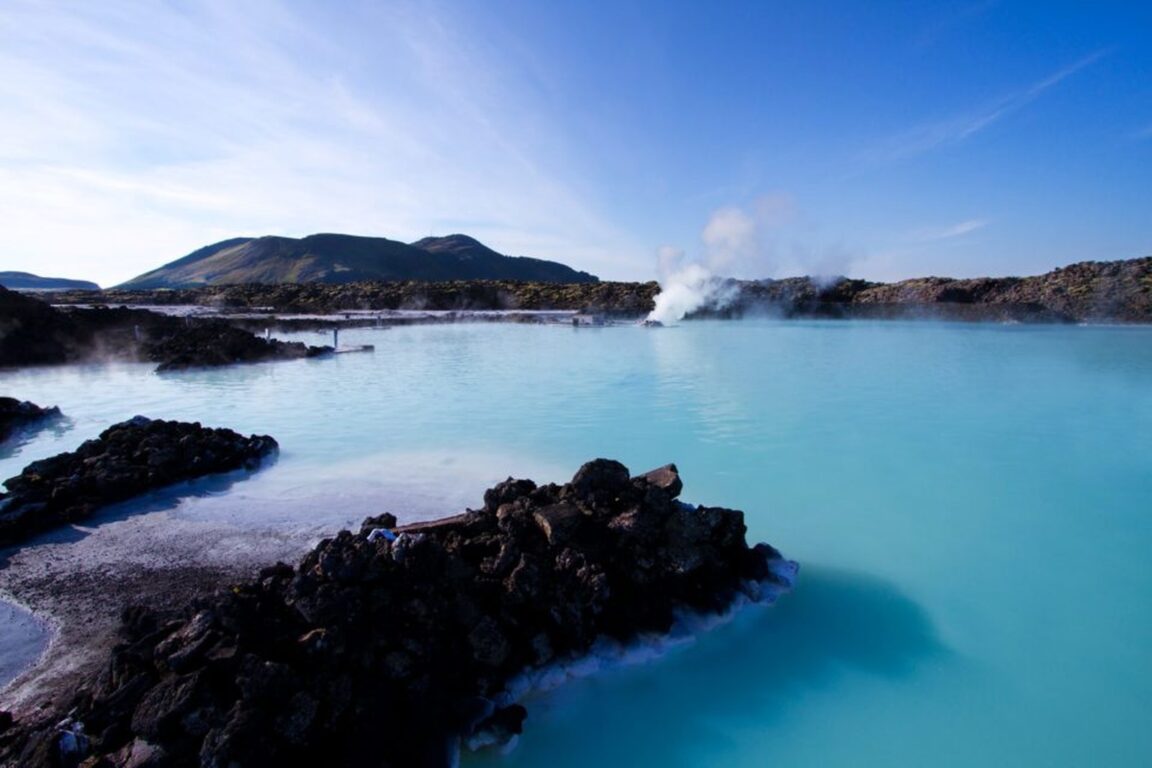
Against all of this, the Blue Lagoon is a different product rather than a better one: a large, beautiful, book ahead lagoon in a lava field near Grindavik and Keflavik Airport, with timed entry, no tickets at the gate and premium pricing many times the pool door, holding its milky blue water at about 38 degrees. Go if the image is the point, ideally on arrival or departure day. But read our comparison of Sky Lagoon and the Blue Lagoon before paying lagoon money, and understand that an Icelander’s week contains three or four pool visits at 1,500 krona each. The etiquette, the hot pots and the conversation are the culture. The lagoon is the souvenir.
Frequently Asked Questions
How much does a local swimming pool cost in Iceland?
In Reykjavik, 1,500 ISK for an adult under the city fee schedule in force since 5 May 2026, with ages 10 to 17 at 400 ISK, under 10s free, and a ten visit adult pass at 7,000 ISK. Entry is free with a Reykjavik City Card. Pools outside the capital set their own prices at broadly similar levels. No booking is needed: you pay at the door.
Do you really have to shower naked before swimming in Iceland?
Yes, at every public pool and at the lagoons. You shower thoroughly with soap, without a swimsuit, before putting swimwear on and entering the water. The diagrams in every changing room show which areas to wash. Icelandic pools use very little chlorine and stay clean because this rule is universal and enforced by attendants.
What temperature are Icelandic hot pots?
Local pools label each hot pot, typically across a range from about 38 to 44 degrees Celsius. The sociable middle pots sit around 40 to 42 degrees. The hottest pots are for short stays, and regulars build tolerance over years. Start with a cooler pot, especially with children, and treat unmarked natural water with real caution, testing before entering.
What is the difference between a local pool and the Blue Lagoon?
A local pool is a municipal facility built for residents: lap pool, hot pots, steam room, walk in entry at 1,500 ISK in Reykjavik, no phones, no booking, neighbours talking. The Blue Lagoon is a ticketed visitor attraction in a lava field near the airport, booked ahead in timed slots at many times the price. Both follow the same shower rule. They are different products sharing one bathing culture.
Where is the best river soak near Reykjavik?
Reykjadalur, above Hveragerdi, about an hour’s hike up a steaming valley to a warm bathing river with boardwalks at the soaking stretch. Go in daylight, carry everything out, and test the temperature where you sit, because it shifts along the river and after rain. In summer, the highland river at Landmannalaugar is the wilder alternative, reached only while highland roads are open.