 Camille Baptiste
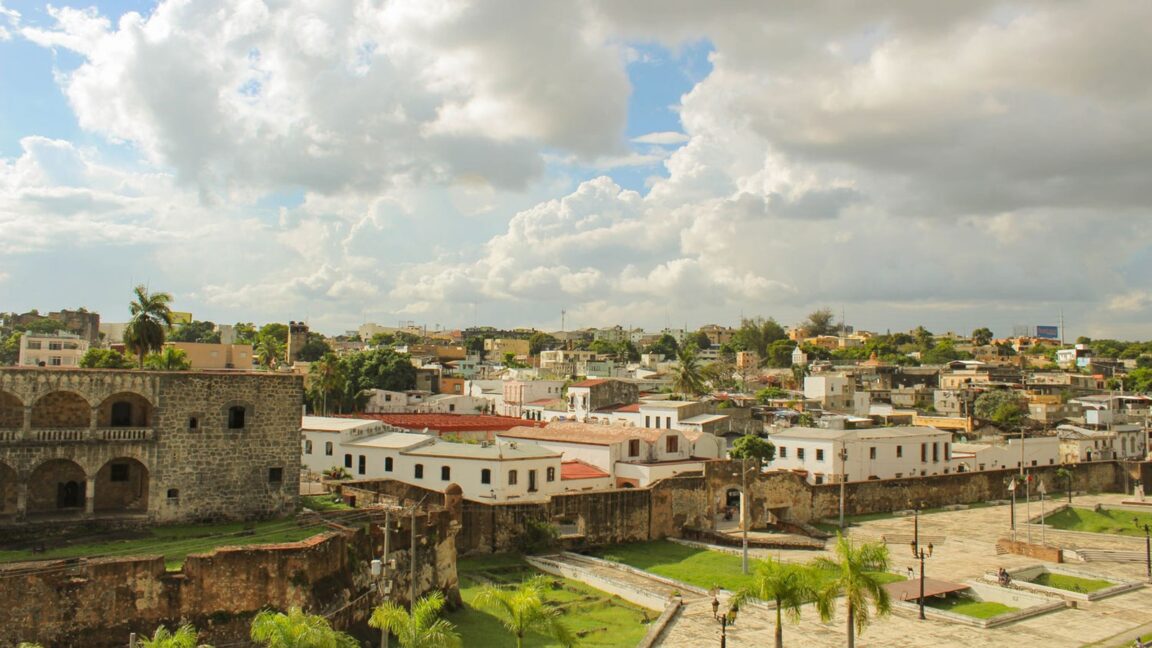
Santo Domingo’s Zona Colonial is best walked slowly and in order, and two days is exactly enough to do it properly: day one inside the walled colonial grid, following its extraordinary run of firsts, the first cathedral, the first paved street, the first fortress and the first viceregal palace in the Americas; day two widening out to the Malecon waterfront in the evening and to Los Tres Ojos, the cave lakes east of the river, as the one detour that earns its taxi ride. The Colonial City, founded in 1498 and rebuilt on its present grid from 1502, is the oldest continuously inhabited European founded settlement in the Americas, and UNESCO inscribed it in 1990. Its core is compact, roughly a square kilometre on the west bank of the Ozama River, so this plan is a walking plan. The heat is the only real adversary, which is why both days start early, pause in the middle and save the waterfront for the golden hour.
Quick Facts
- Where: Santo Domingo, capital of the Dominican Republic, on the Caribbean south coast of Hispaniola
- The zone: Ciudad Colonial, or Zona Colonial, a UNESCO World Heritage Site since 1990, about 106 hectares on the west bank of the Ozama River
- First cathedral: Cathedral of Santa Maria la Menor, Catedral Primada de America, built from the 1510s and completed by 1541, the first cathedral in the Americas
- First street: Calle Las Damas, laid out in 1502, the oldest paved street in the Americas
- First fortress: Fortaleza Ozama, built 1502 to 1508, the oldest European military construction in the Americas
- The palace: Alcazar de Colon, residence built about 1510 to 1514 for Diego Colon, son of Christopher Columbus, now a museum on Plaza de Espana
- The detour: Los Tres Ojos National Park in Santo Domingo Este, a limestone cave system with three underground lakes plus a fourth open air lake, generally open daily about 9 am to 5 pm
- The evening: The Malecon, George Washington Avenue, the seafront boulevard west of the zone, best at sunset
Why this small grid changed a hemisphere
Santo Domingo was the first seat of Spanish rule in the Americas and the template from which Spain’s American cities were drawn: a regular grid around a central plaza, cathedral, town hall and fortress, an urban model later repeated from Mexico City to Buenos Aires. Bartholomew Columbus founded the settlement in 1498, and Governor Nicolas de Ovando moved and rebuilt it on the west bank of the Ozama from 1502 in the form you walk today. The concentration of firsts is not a marketing line. Within a few streets stand the Americas’ first cathedral, first monastery, first hospital, first university and first paved street, all raised within two generations of 1492. Walk them in sequence and the colonial history of a continent stops being abstract. A note of honesty belongs here too: these monuments record the start of a colonisation that devastated the Indigenous Taino people of Hispaniola, and the best museums in the zone, particularly the Museo de las Casas Reales, present that fuller story rather than a simple celebration.
Day 1 morning: Parque Colon, the cathedral and Calle Las Damas
Start at Parque Colon, the zone’s living room, with its statue of Columbus and the cathedral on its southern side. The Cathedral of Santa Maria la Menor, the Primada de America, rose from the 1510s to 1541 in honey coloured coral limestone, late Gothic in structure with early Renaissance detail, and it remains a working cathedral, so visits fit around services, dress should cover shoulders and knees, and a small entry arrangement covering the museum and audio guide has applied in recent years; check at the door. Give it 45 minutes: the chapels, the treasury pieces and the sheer fact of its primacy in the hemisphere reward the time.
From the cathedral, walk east onto Calle Las Damas, the Street of the Ladies, named for the court ladies who promenaded here, and the oldest paved street in the Americas. In a few hundred metres it passes the Fortaleza Ozama at its southern end, the Hostal Nicolas de Ovando, a former governor’s residence of the early 16th century now a hotel, the Panteon de la Patria, and the Museo de las Casas Reales, the former Royal Courts and governor’s palace of 1511, whose museum of colonial Hispaniola is the zone’s best context setter; allow an hour there. At the fortress, climb the Torre del Homenaje, the keep, for the view over the Ozama that explains why the city sits where it sits. Recent listings give the fortress daily opening around 9 am to 5 pm with a modest entry fee; verify on the day, as zone museums adjust hours and several close on Mondays.
Day 1 afternoon and evening: the Alcazar and Calle El Conde
Save the Alcazar de Colon for the afternoon light. Diego Colon, the admiral’s son and viceroy, built this palace of coral rock and stone on the bluff above the river about 1510 to 1514, and from its loggias expeditions across the Caribbean were organised. Restored in the 20th century, it is now furnished as a viceregal residence museum, tapestries, period furniture and household objects across two floors, and 45 minutes to an hour covers it well. One caution from recent visitor reports: the Alcazar has had periods of restoration work limiting interior access, so check its current status before building the afternoon around it; the Plaza de Espana terrace in front of it, lined with cafes, is a worthy stop either way. Museum listings in recent years have generally shown Tuesday to Sunday opening and Monday closure for the Alcazar, which is worth confirming when you plan which day is which.
As the heat drops, walk Calle El Conde, the pedestrian shopping street running west from Parque Colon through the Puerta del Conde, where Dominican independence was proclaimed in 1844, into the modern city. This is the zone at its most everyday: bookshops, cigar shops, colmado stores and crowds of residents doing ordinary errands among the monuments. Dinner in the zone ranges from Dominican home cooking, la bandera, the national plate of rice, beans and stewed meat, to the courtyard restaurants around Plaza de Espana. Keep the evening early enough to be fresh for day two, unless the Malecon pulls you onward, in which case read the next section and go now.
Day 2: Los Tres Ojos in the morning, the Malecon at golden hour
The one detour worth leaving the zone for is Los Tres Ojos, the Three Eyes, in Santo Domingo Este across the river, about 20 to 30 minutes by taxi depending on traffic. A collapsed limestone cave system holds three underground freshwater lakes, Lago de Azufre, La Nevera and Los Zaramagullones names aside, each a different blue under fern hung rock, reached by staircases cut into the cave, plus a fourth open air lake reached by a small hand pulled ferry raft across one of the cave lakes for a small extra fee. Swimming is prohibited in all the lakes. The park is generally open daily about 9 am to 5 pm with last admission around 4:30 pm, entry is inexpensive and paid in pesos, and the visit takes 60 to 90 minutes. Go at opening: the light shafts into the caves at their best, the tour groups have not arrived, and you are back in the zone by lunch. Wear shoes with grip, because the cave steps are damp.
Spend the middle of day two on whatever day one short changed: the ruins of the Monasterio de San Francisco, the first monastery in the Americas, now an evocative roofless shell used for events; the Museo del Ambar and the chocolate and rum houses that make good souvenir stops; or simply a second, slower pass at the cathedral quarter. Then, from about an hour before sunset, walk the Malecon. Santo Domingo’s seafront boulevard, George Washington Avenue, runs west from the zone along the Caribbean, past the obelisk, monuments, food kiosks and open air bars, and on weekend evenings it fills with families, music and food stalls in a street party atmosphere that no museum can give you. It is the correct ending to the two days: the colonial city behind you, the working capital at play in front of you, and the sea doing the lighting. Travellers pairing the capital with the resorts should note that the Dominican Republic’s electronic entry ticket formalities apply to nearly all arrivals, and our Dominican Republic e-ticket explainer covers the form; for the Caribbean’s other great colonial music city, our Havana after dark guide makes the natural companion read.
Frequently Asked Questions
How many days do you need in the Zona Colonial?
Two days is the right allocation: one full day for the colonial grid itself, cathedral, Las Damas, fortress, Casas Reales and Alcazar, and a second day for Los Tres Ojos, the remaining museums and a Malecon evening. The zone can be skimmed in a long day trip from the resorts, but the evening atmosphere and the cave lakes are what the skim misses.
What are the must see sights in the Zona Colonial?
The cathedral, Santa Maria la Menor, first cathedral in the Americas; Calle Las Damas, its oldest paved street; Fortaleza Ozama, its first fortress; the Alcazar de Colon, the viceregal palace of Diego Colon; and the Museo de las Casas Reales for context. All five stand within about ten minutes’ walk of Parque Colon.
Is Los Tres Ojos worth the trip from the Colonial Zone?
Yes, as a morning detour. The cave lakes are unlike anything else in the capital, the visit takes only 60 to 90 minutes, and entry is inexpensive. Go at the 9 am opening for the best light and smallest crowds, take a taxi both ways, and note that swimming in the lakes is prohibited and the cave steps are damp and steep in places.
Are the Zona Colonial museums open every day?
Not reliably. Several zone museums, including the Alcazar de Colon in recent listings, close on Mondays, and hours shift around holidays and restoration work, as recent reports of limited Alcazar access show. Check each museum’s current hours the day before, and put the Alcazar and Casas Reales on a Tuesday to Sunday day if your two days include a Monday.
Is the Zona Colonial safe to walk?
The zone is the most visited and most patrolled part of the capital, with tourist police a visible presence, and its main streets are busy from morning to late evening. Ordinary capital city awareness applies: keep valuables discreet, use registered taxis or ride hailing after dark, and treat the Malecon crowds like any big city waterfront crowd.
When is the best time to visit Santo Domingo?
The drier months from about December to April bring the most settled weather for walking, while the rest of the year is hotter with a greater chance of afternoon rain, and the hurricane season runs June to November. In every season the winning pattern is the same: sightsee early, rest or museum at midday, and walk again from late afternoon.