 Lucas Meyer
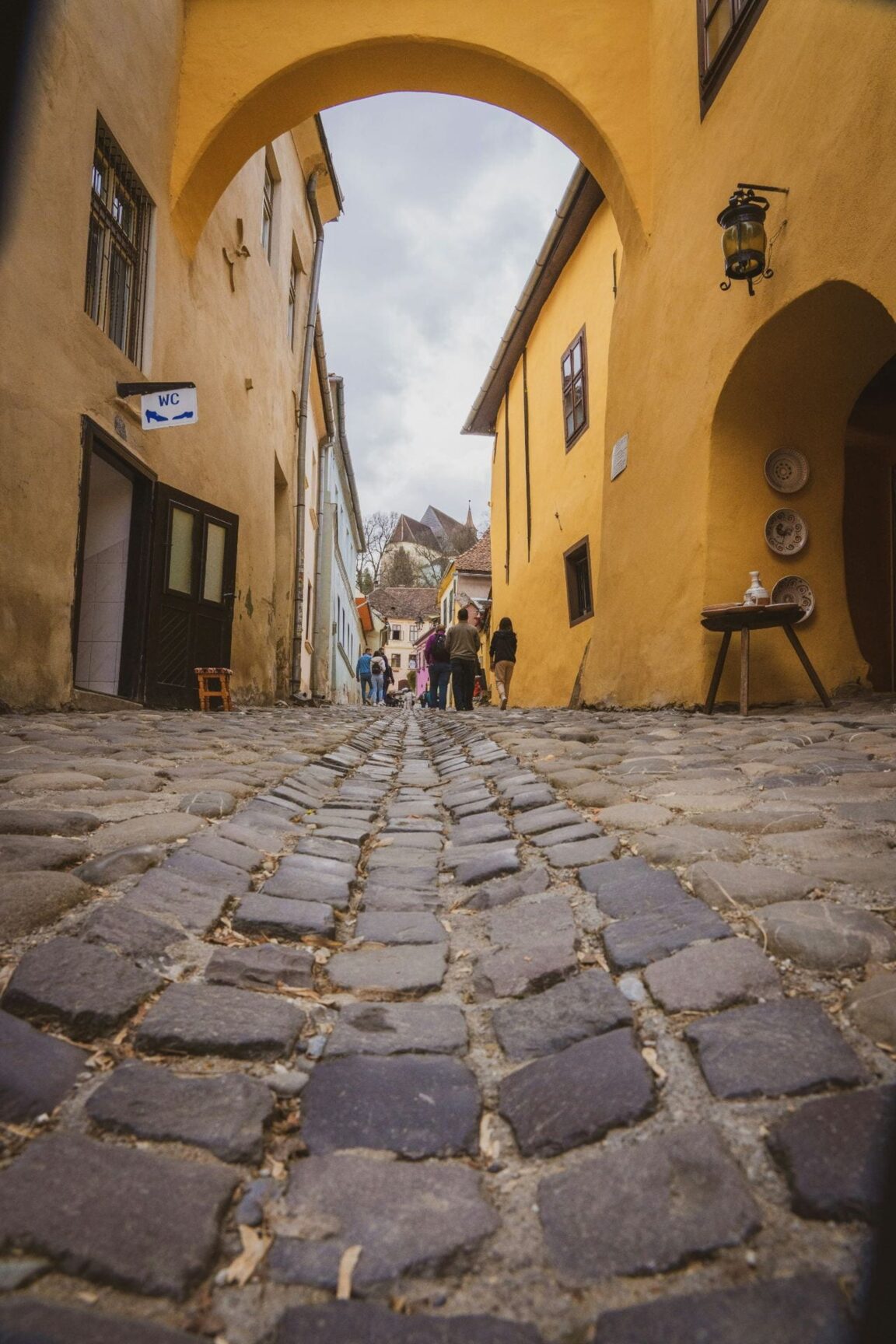
Go to Sighisoara if you want to sleep inside a medieval citadel that people still live in, rather than tour one that closes at night. The UNESCO listed hilltop citadel in Transylvania, built by Saxon craftsmen and merchants, packs a 64 metre Clock Tower, nine surviving guild towers, a covered wooden stairway from 1642 and the Church on the Hill into a walkable hill above the Tarnava Mare River. Sighisoara rewards an overnight far more than a day trip: one full day covers the citadel properly, and it slots naturally into a Transylvania route between Brasov, Sibiu and Cluj Napoca.
Quick Facts
- Where: Mures County, Transylvania, Romania, on the Tarnava Mare River
- Status: Historic Centre of Sighisoara inscribed by UNESCO in 1999 under criteria (iii) and (v)
- Signature sights: The Clock Tower and History Museum, Citadel Square, the Covered Stairway, the Church on the Hill and nine guild towers
- Claim to fame: An inhabited fortified citadel and the birthplace of Vlad III, with the house associated with his father Vlad Dracul in the citadel
- Best base for: Travellers touring Transylvania’s Saxon towns and fortified churches by train or car
- How long: One full day and at least one night. Two nights if you add a fortified church side trip
Why is Sighisoara a UNESCO site, in plain terms?
UNESCO inscribed the Historic Centre of Sighisoara in 1999 as an outstanding testimony to the culture of the Transylvanian Saxons, the German speaking craftsmen and merchants invited to settle this border region centuries ago, and as an outstanding example of a small fortified city between Central European and south eastern European cultures. The practical meaning for a visitor is integrity: the citadel’s street plan, walls, towers and burgher houses survive as a working whole, not as a reconstructed set. The regional tourism overview at Visit Mures on the medieval citadel of Sighisoara notes the defensive system once ran to a 930 metre wall with 14 towers and five bastions, each tower built and guarded by a craft guild.
Nine towers survive, named for the guilds that defended them, among them the Tailors, Butchers, Shoemakers, Blacksmiths, Tanners, Furriers and Ropemakers. Because the citadel remains inhabited, with residents, a school and churches in daily use, a stay here feels different from a museum town: laundry, deliveries and school runs share the cobbles with visitors, and the place is at its best early and late, when day trip groups are absent.
What should you actually see inside the citadel?
Start at the Clock Tower, Turnul cu Ceas, the citadel’s main gate and symbol. Built in the 14th century and rising 64 metres over five levels, it guarded the principal entrance and later served as the town hall. Today it houses the Sighisoara History Museum, and the climb passes guild artefacts, a medieval pharmacy display and the clock mechanism before reaching the balcony, which gives the definitive view over the citadel rooftops and the Tarnava Mare valley. The clock’s wooden figurines represent the days of the week, with figures for Justice, Law and Peace among them, a detail worth timing a visit around if the mechanism is turning during your climb.
From the tower, Citadel Square is a few steps away, ringed by painted burgher houses including the Stag House, named for the stag head mounted on its corner. The house associated with Vlad Dracul stands between the square and the tower. Vlad III, the historical figure behind the Dracula legend, was born in Sighisoara in 1431, and his father lived in the town while governing in the region. Treat the Dracula connection as one layer of a much richer Saxon story rather than the reason to come, and the citadel makes more sense, not less.
How do the Covered Stairway and the Church on the Hill fit together?
The citadel’s second essential walk climbs from the square to the hilltop. The Covered Stairway, also called the Scholars Staircase, was built in 1642 under a wooden roof so that pupils could reach the hilltop school in winter weather without facing the elements. It originally had about 300 steps; fewer than 180 remain after 19th century alterations, and the enclosed climb, lamplit and echoing, is one of the most atmospheric short walks in Romania. At the top stands the Church on the Hill, the Saxon community’s main Lutheran church, a late Gothic building with medieval frescoes, reached through the covered stair or by lanes around the hill. The adjoining Saxon cemetery, shaded and quiet, completes the circuit and gives a second, greener view back over the town. Allow a unhurried hour for the stair, church and cemetery together.
How should you plan a day in Sighisoara?
Arrive the evening before if you can, because the citadel at dusk, with the Clock Tower lit and the squares emptied of tour groups, is the strongest argument for staying overnight. Spend the morning on the Clock Tower museum and balcony, then walk the walls between guild towers, pausing at the Tailors Tower gate, the second entrance to the citadel. Take lunch in the lower town or on Citadel Square, then climb the Covered Stairway in the afternoon for the Church on the Hill and the cemetery. Finish with a slow loop of the citadel lanes at golden hour. The lower town, across and below the hill, holds the train station, larger shops and the Orthodox cathedral by the river, and is worth a short walk for contrast, but the citadel is where your time belongs.
Practical cautions are simple. The citadel is steep, cobbled and slippery when wet, and the Covered Stairway is a genuine climb, so wear shoes with grip and pace the day accordingly. Museum hours and tower opening vary by season, so check the posted hours at the Clock Tower on arrival rather than trusting a schedule printed months earlier.
Is Sighisoara a good base for Transylvania?
It is a good one or two night stop rather than a week long base. Its strength is position: Sighisoara sits on the rail and road network between Brasov, Sibiu and Cluj Napoca, so it breaks a Transylvania circuit neatly, and the surrounding countryside holds Saxon villages and fortified churches, including Biertan, that make an easy half day by car. Its limit is scale. The citadel itself is compact, a day of sights rather than three, and travellers who treat it as a day trip from Brasov often conclude it is small, when the real miss is the overnight atmosphere. For comparisons with other preserved old towns, see our Cesky Krumlov travel guide on seeing a fairytale town without the day trip crowds, and if your Romania route runs through the capital, our Therme Bucharest guide explains the spa day that pairs well with a city stay.
When is the best time to go to Sighisoara?
Late spring and early autumn suit the citadel best, with mild walking weather and thinner crowds. Summer brings the Medieval Festival, held on the last weekend of July, when the citadel fills with performers, crafts and visitors, exciting if you book well ahead and punishing if you arrive unplanned. Winter is cold and atmospheric, with snow on the rooftops and very few visitors, but shorter museum hours. Shoulder season weekdays are the sweet spot for photography and for having the Covered Stairway and church hill largely to yourself.
Frequently Asked Questions
Is one day enough for Sighisoara?
One full day is enough to see the Clock Tower, the guild towers, the Covered Stairway and the Church on the Hill without rushing. The key is to sleep there at least one night, because the citadel early and late is a different place from the midday version.
What is the Clock Tower in Sighisoara?
It is the 14th century main gate tower of the citadel, 64 metres tall, now housing the History Museum. Climb it for the guild and pharmacy exhibits, the clock figurines and the balcony view over the citadel and the Tarnava Mare valley.
How many steps are in the Covered Stairway?
The covered wooden stairway was built in 1642 with about 300 steps. After alterations in 1849 fewer than 180 steps remain. It links Citadel Square with the school and the Church on the Hill.
Was Dracula really born in Sighisoara?
Vlad III, the historical prince behind the legend, was born in Sighisoara in 1431, and a house in the citadel is associated with his father, Vlad Dracul. The citadel’s Saxon history is the deeper story, but the connection is genuine.
How do you get to Sighisoara?
Trains connect Sighisoara with Brasov, Sibiu, Cluj Napoca and Bucharest, and the station is in the lower town, a short walk or taxi ride below the citadel. Driving works well on a Transylvania circuit. Check current timetables before travel, as schedules change seasonally.