 Priya Nair
Most visitors to Zambia now fall into one of three groups, and working out your group before you book is the whole job. Since 1 January 2025 Zambia has widened its visa waiver, so many nationalities enter with no visa at all for short tourist stays. Travellers who are not waived apply online through the Department of Immigration eServices portal at eservices.zambiaimmigration.gov.zm and travel on an approval letter. And anyone heading to Victoria Falls who also wants the Zimbabwe side should consider the KAZA UniVisa, a single 50 US dollar visa covering both countries for 30 days. Fees changed on 1 January 2026, so older guides quoting 25 dollars for a single entry are out of date. This explainer sets out the current rules in plain language for a first arrival in Lusaka.
Quick Facts
- Official portal: Department of Immigration eServices at eservices.zambiaimmigration.gov.zm; apply there only and ignore agent sites charging extra
- Current fees from 1 January 2026: Single entry 50 USD, double and multiple entry 80 USD, transit 25 USD, KAZA UniVisa 50 USD, day tripper 10 USD, plus a small card administration charge
- Validity: Single, double and multiple entry visas are valid for 90 days from issue; the KAZA UniVisa allows travel between Zambia and Zimbabwe for up to 30 days
- Processing: Allow 3 to 5 business days for an eVisa decision and apply at least two weeks before departure to leave room for queries
- Visa waiver: Zambia waives visas for many nationalities for short stays; check your passport against the Department of Immigration list before paying for anything
- Arrival airport: Kenneth Kaunda International Airport, Lusaka; KAZA UniVisa online applications require arrival at one of four named Zambian ports
Do you need a visa for Zambia at all?
Start here, because a large share of readers of this article need no visa. Zambia has expanded its exemptions in stages, most recently from 1 January 2025, and the Department of Immigration publishes the nationality lists on its own site. Waived visitors simply arrive with a passport and are admitted for a short stay for tourism or business. The waiver does not cover work, study or long residence, and it does not remove the need to satisfy an immigration officer that you have onward travel and a place to stay.
If your nationality is not on the waiver list, the next question is whether you are on the list of nationalities that must obtain a visa before travel, or the list that may be issued a visa on arrival. Those lists are different, and confusing them is the most common filing error. The Department of Immigration contact centre can confirm a nationality that appears on more than one list or on none of them. Do that check before you pay a fee, because eVisa fees are not a deposit and a wrong application wastes both money and processing time.
Travellers comparing regional systems may also find our explainers on Botswana’s visa free list and eVisa and Nigeria’s online eVisa approval useful, because southern and western African entry systems differ sharply in who must apply in advance.
How does the Zambia eVisa filing sequence work?
The sequence is the same whatever visa type you choose. First, create an account on the eServices portal and confirm it through the email link the system sends. Second, start a new application and choose the visa category that matches your trip: single entry for one visit, double or multiple entry if you will leave and return, transit if you are only passing through. Third, complete the form with passport details exactly as printed in the document, because the approval letter is matched against the passport at the border. Fourth, upload the supporting documents the portal requests, which typically include a passport scan, a photograph and evidence of your travel plans and accommodation. Fifth, pay the statutory fee by card and keep the payment record. Sixth, wait for the approval letter, download it, and carry a printed copy alongside the passport you applied with.
Two practical points matter. Pop ups must be allowed for the payment stage to complete, a small detail that stalls many applications. And the approval letter is not the visa itself in the old sticker sense: it is the authority to travel, with the entry stamp given on arrival. If the portal shows your application as pending close to departure, contact the department rather than booking a second application, which only creates a duplicate file for officers to untangle.
What changed in the 2026 fees?
Statutory Instrument No. 99 of 2025, in force from 1 January 2026, reset the main visa fees. A single entry visa now costs 50 USD, double and multiple entry visas cost 80 USD, a transit visa costs 25 USD and the KAZA UniVisa remains 50 USD. A day tripper permit, issued at the border only, costs 10 USD. Card payments add a small administration charge, shown in the portal before you pay; published examples put a single entry at about 50.50 USD by card.
The trap is that older official pages and many embassy PDFs still show the previous schedule of 25 USD single, 40 USD double and 75 USD multiple. Budget on the 2026 figures, and if the portal displays a different amount at payment, stop and verify with the department before paying. Fees are charged in US dollars, and private visa agents add their own service charges on top of the statutory fee, which is another reason to apply on the government portal directly.
What is the KAZA UniVisa and who should choose it?
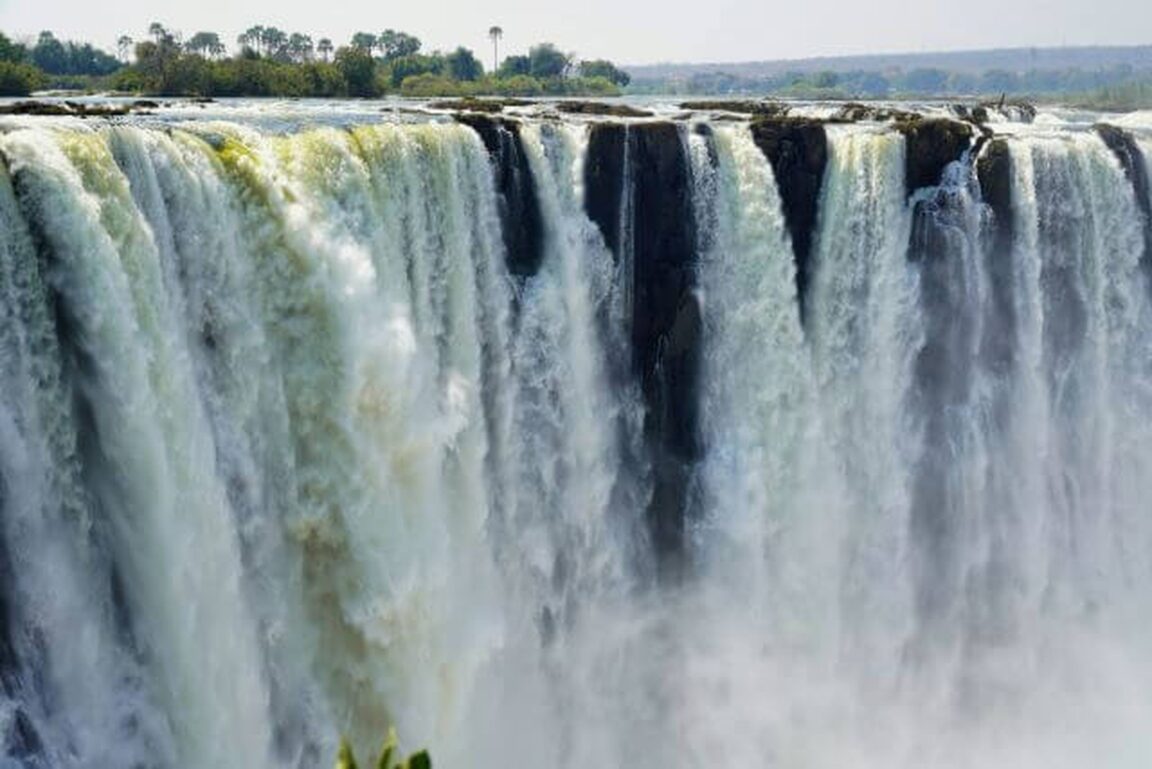
The KAZA UniVisa is a joint Zambia and Zimbabwe visa named for the Kavango Zambezi Transfrontier Conservation Area. It costs 50 USD and allows multiple travel between Zambia and Zimbabwe for up to 30 days within a 12 month period, provided you remain within those two countries; leaving for a third country ends its usefulness for that trip pattern. It also supports day trips into Botswana through the Kazungula border, which makes it the natural choice for a Victoria Falls itinerary that sleeps in Livingstone, crosses to the Zimbabwe side for the classic viewpoints, and takes a Chobe day trip.
Eligibility is limited to a published list of nationalities, which includes the United States, the United Kingdom, Canada, Australia, New Zealand, Japan, South Korea, Brazil and most European Union states, though not every EU passport is listed and China and India are not on it. Check the list rather than assuming. Online UniVisa applications are tied to arrival at one of four Zambian ports: Kenneth Kaunda International Airport in Lusaka, Harry Mwaanga Nkumbula International Airport in Livingstone, the Victoria Falls border or the Kazungula border. If you will arrive anywhere else, apply for a standard Zambian visa instead and sort the Zimbabwe side separately.
Because the UniVisa now costs the same as a Zambian single entry visa, the maths is simple: if there is any realistic chance you will cross to Zimbabwe at the falls, the UniVisa is the better buy. If your trip is Lusaka and the national parks only, a standard visa or the waiver, where it applies, is enough.
What happens on arrival in Lusaka?
Kenneth Kaunda International Airport is the main gateway. Have your passport, your printed approval letter if you applied online, your return or onward ticket and your first address in Zambia ready before you reach the desk. Officers may ask about the purpose and length of the visit and about funds for the stay. The entry stamp sets the permitted stay, so read it before you leave the desk; if the period looks shorter than your itinerary, raise it politely there and then, because correcting it later means a visit to an immigration office in town.
Yellow fever rules follow the standard pattern: a vaccination certificate is required if you arrive from, or have transited through, a country with a risk of yellow fever transmission. Travellers coming directly from Europe or North America are not routinely asked for one, but anyone combining Zambia with travel in endemic regions should carry the certificate. Health rules can change, so check the department guidance again in the week you travel.
What are the common mistakes with the Zambia eVisa?
The first is paying an agent for a waiver nationality trip: check the exemption list first. The second is applying on a lookalike site and paying inflated fees; the genuine portal is the government eServices address given in the Quick Facts. The third is a name or passport number mismatch between the application and the document, which can strand an approval letter. The fourth is leaving the application until the last few days, when a request for a clearer document scan eats the remaining time. The fifth is buying the wrong product for a falls trip, paying separately for Zambian and Zimbabwean visas when one UniVisa would have covered both. Each of these is avoidable with ten minutes of checking before any money moves.
Frequently asked questions
How much does a Zambia eVisa cost in 2026?
From 1 January 2026 a single entry visa costs 50 USD, double and multiple entry visas cost 80 USD, transit costs 25 USD and the KAZA UniVisa costs 50 USD, plus a small card administration charge shown in the portal. Older pages quoting 25 USD are out of date.
How long does Zambia eVisa processing take?
Allow 3 to 5 business days, and apply at least two weeks before departure so there is time to answer any request for better documents.
Can I visit both sides of Victoria Falls on one visa?
Yes, if your nationality is on the KAZA UniVisa eligibility list. The UniVisa covers multiple travel between Zambia and Zimbabwe for up to 30 days and supports day trips to Botswana via Kazungula.
Do I need a yellow fever certificate for Zambia?
Only if you arrive from or transit through a country with yellow fever transmission risk. Carry the certificate whenever your routing touches an endemic country.
Where do I apply for the Zambia eVisa?
Only on the Department of Immigration eServices portal at eservices.zambiaimmigration.gov.zm. Agent sites charge extra for the same application.
Last checked 16 November 2026 against Department of Immigration guidance and the 2026 fee schedule. Recheck your nationality status and the fee shown in the portal before you pay.