 Rafael Santos
Pack for a city at 15 degrees and a summit near freezing in the same bag, and Bosnia highlands in autumn works: a real insulated layer, a waterproof shell, and mountain footwear, balanced against light evening clothes for Sarajevo. The highlands around Bjelasnica, Igman and the Rakitnica Canyon drop fast in autumn, Sarajevo stays mild, and rafting rivers run cold. This kit list resolves the cold snaps without overpacking for the capital.
Quick Facts
- Destination: Sarajevo and the Bjelasnica highlands, Bosnia and Herzegovina
- Season covered: Autumn, September to November, with October as the model month
- City range: Sarajevo in October averages highs falling from about 67 to 56 degrees Fahrenheit across the month, with lows from about 46 down to 37 degrees
- Highland range: Bjelasnica in October averages about 16 degrees Celsius by day and 5 degrees at night at resort level, with the 2,067 meter summit far colder and snow possible from mid October
- Rain reality: October brings roughly 11 days of rain around Bjelasnica, so a shell is essential, not optional
- Bag strategy: One bag with a summit layer set that compresses, plus a separate dry set for rafting days
Why does the Sarajevo to summit gap decide the whole bag?
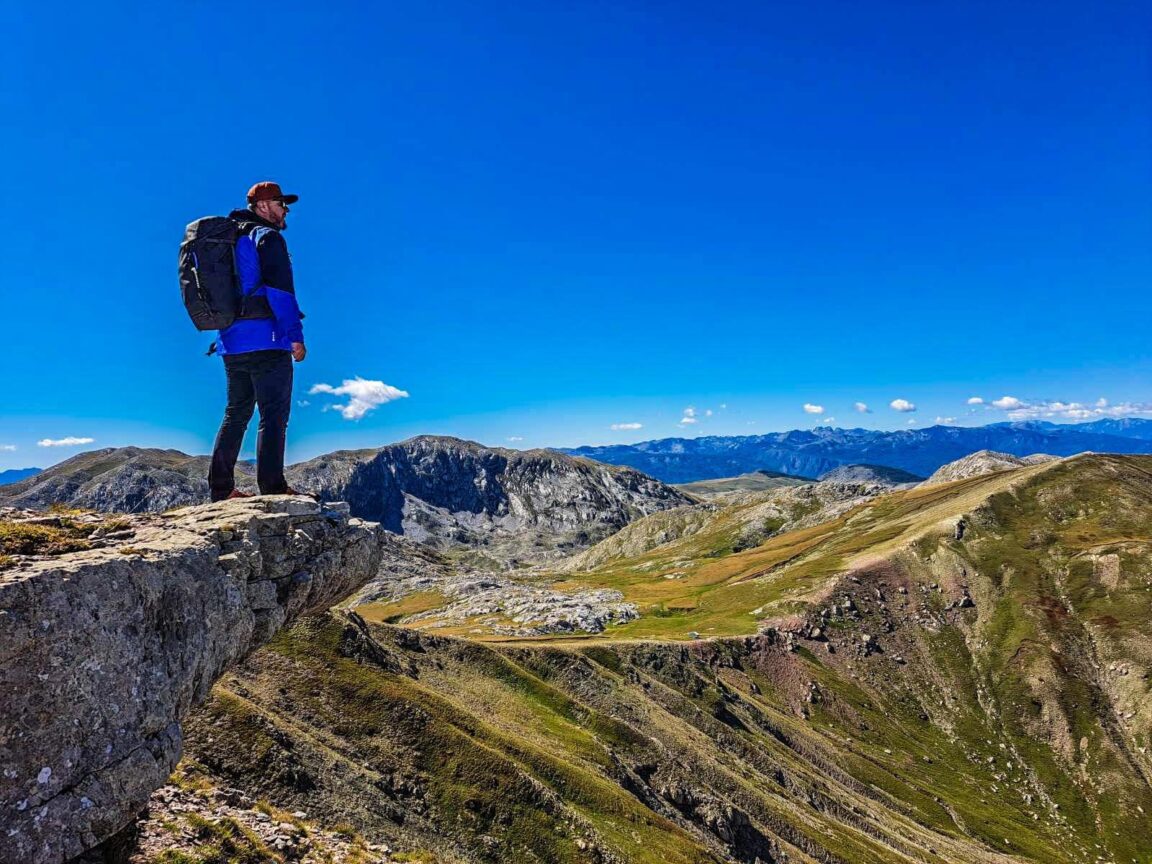
Sarajevo sits in a valley at about 500 meters. Bjelasnica, the 1984 Olympic mountain southwest of the city, rises to 2,067 meters, and its white snow cap is a familiar sight from the higher points in Sarajevo from mid October until early June. That altitude gap of more than 1,500 meters is a temperature gap of roughly 10 degrees Celsius or more, before wind. A traveler can drink coffee in Bascarsija in a light jacket in the morning and stand above Lukomir, the highest inhabited village in the country at about 1,500 meters, in a genuine cold snap by midday.
Climate data underlines the split. Sarajevo October highs slide from the upper 60s Fahrenheit at the start of the month to the mid 50s by the end, with lows approaching freezing late in the month. At Bjelasnica, October averages about 16 degrees Celsius by day and 5 degrees at night, with around 105 mm of rain across roughly 11 rainy days, and summit conditions run colder still, with an alpine climate and a long snow season. Packing only for the city leaves the highland days miserable; packing only for the summit wastes half the bag in Sarajevo. The answer is a compressible mountain set inside a city weight bag.
What is the mountain cold snap set?
The set has five pieces and packs into one compression cube. A merino or synthetic base layer, top and bottom. An insulated mid layer, fleece or light synthetic puffy, that works under a shell. A waterproof shell jacket with a hood, rated for sustained rain rather than a city drizzle. A warm hat and insulated gloves. And warm merino socks, two pairs, because wet socks at altitude end hikes early.
Worn together, the set handles a windy ridge above the Rakitnica Canyon, a cold chairlift level morning at the Bjelasnica ski area, and a late October day when the first snow arrives. Worn apart, the base layer and shell cover a cool Sarajevo evening, and the mid layer alone covers a mountain village lunch stop in Umoljani or Lukomir. Nothing in the set is single use, which is what keeps the bag small. Travelers who know our cold country lists, such as the Morocco winter carry on system for medinas, mountains and a desert night, will recognize the same three layer logic tuned here for Dinaric weather.
What footwear survives highland trails and old town stone?
One pair of waterproof hiking boots with ankle support and a lugged sole is the main shoe. Highland trails around Bjelasnica, Visocica and the Lukomir route mix rock, mud and wet grass, and autumn rain makes all three slick. The same boots handle Sarajevo cobbles in Bascarsija, which polish smooth when wet. A second, light pair of town shoes covers dry evenings and travel days and gives the boots a rest day to dry. Trail runners alone are not enough in late autumn, because a cold snap plus wet feet at 1,800 meters is a safety issue, not a comfort issue.
What does a rafting day add?
Autumn rafting in Bosnia runs on cold rivers, most famously the Neretva, and operators supply wetsuits, helmets and safety gear as standard. The personal kit is smaller: a swimsuit to wear under the wetsuit, a fast drying base layer if the operator allows it, a dry change of clothes sealed in a dry bag for the take out, and warm socks and the insulated mid layer waiting in that same bag. River water in October is cold enough that the warm layer after the run matters as much as anything worn during it. Confirm exactly what the operator provides before travel, and never assume a drysuit is included.
Safety shapes one more rule for the highlands. Parts of Bjelasnica and other wartime front line areas still carry mine risk away from marked routes, a fact recorded in mountain references for the range. The practical packing consequence is simple: stay on marked trails and guided routes, carry a charged phone and a headlamp, and treat local guide advice as part of the kit. A paper map or offline map download belongs in the daypack for the same reason.
How do Sarajevo evenings change the bag?
They lighten it. Sarajevo evenings in autumn call for tidy and warm, not formal: a clean sweater, dark trousers and the town shoes cover dinners in Bascarsija and along Ferhadija. A compact umbrella earns its place in the city, where October rain is frequent and a shell hood feels excessive for a short walk between cafes. A small daypack carries the mountain set on highland days and shrinks to a city bag for the Tunnel Museum, the Latin Bridge and the cable car up Trebevic. For the bridge town that pairs with most Sarajevo trips, see our guide to Mostar, and how to see it beyond the day trip, where the same layer set handles the Neretva gorge wind.
What should stay home?
Skip a heavy ski jacket unless a genuine winter sports trip is planned; the layered set covers autumn cold snaps and compresses far better. Skip cotton hiking clothes, which stay cold when wet at altitude. Skip a second pair of boots and skip dress shoes entirely. Skip a large suitcase with hard sides if highland guesthouses and village stays are planned, because a soft bag rides better in shared transfers and small mountain rooms. For a thermal contrast after cold highland days, our comparison of Budapest thermal baths, Szechenyi, Gellert and Rudas, shows the other end of the regional autumn, a city built around hot water.
Frequently Asked Questions
Does it snow in the Bosnia highlands in October?
It can. Bjelasnica summit carries an alpine climate, its snow cap is commonly visible from Sarajevo from mid October, and the summit climate data show October mean temperatures only a few degrees above freezing at the top. Valley and resort level snow is less common in October, but a cold snap with snow on the high trails is a realistic plan for, not a surprise.
How much rain should I expect in autumn?
Around Bjelasnica, October averages roughly 105 mm of rain across about 11 rainy days, and Sarajevo sees a wet day roughly one day in four through October. A waterproof shell jacket, waterproof boots and a pack rain cover are the baseline, not the cautious extra.
Can I hike to Lukomir in autumn without a guide?
The Umoljani to Lukomir route is a well known highland hike, but autumn conditions, short days and the mine risk recorded for off trail areas around Bjelasnica make a local guide or a guided group the sensible choice. Stay on marked trails in all cases, carry a headlamp and offline maps, and start early as October daylight shrinks.
What do rafting operators provide, and what do I bring?
Operators typically provide wetsuits, helmets, life vests and paddles. Bring a swimsuit, a sealed dry change of clothes, warm socks and your insulated layer for after the run, plus a dry bag if you carry a phone. Confirm the exact inclusions when booking, because late season departures run less often and kit lists vary by operator.
Is one bag enough for both Sarajevo and the highlands?
Yes. The trick is compression: the five piece mountain set packs into one cube, the rafting needs fit in a dry bag, and Sarajevo evenings need only one neat outfit built from packed layers. Travelers who pack a separate heavy coat for the mountains are the ones who end up needing a second bag.
Last updated November 2026. Climate norms checked against Sarajevo and Bjelasnica climate tables and mountain references on the day of writing. Mountain weather changes fast in the Dinaric Alps, so check a local forecast the night before any highland day.