 Camille Baptiste
Pack for three trips in one bag: a warm soak, a cold riverbank at dawn, and a Yellowstone gate day that can turn to snow by afternoon. Autumn in Paradise Valley swings from sunny afternoons near 70 degrees Fahrenheit to nights below freezing, and the bag that works is a layer system with a real swimsuit kit, real insulation, and footwear that handles both a hot springs deck and a frosty fishing access. This list builds that bag without a second suitcase.
Quick Facts
- Destination: Paradise Valley, Montana, between Livingston and Gardiner on US Highway 89
- Season covered: Autumn, September to late October
- Valley setting: The Yellowstone River runs the length of the valley, flanked by the Absaroka Range to the east and the Gallatin Range to the west
- Autumn swing: National Weather Service forecasts for the valley in October show highs in the mid 60s to around 70 degrees and lows in the upper 30s to lower 40s, with rain and snow showers possible as fronts arrive
- Park gate rule: The North Entrance at Gardiner is the only Yellowstone entrance open to regular cars year round, and most other park roads close by October 31
- Bag strategy: One checked or carry on bag with a removable hot springs pouch and a dawn wildlife layer set
What makes autumn in Paradise Valley hard to pack for?
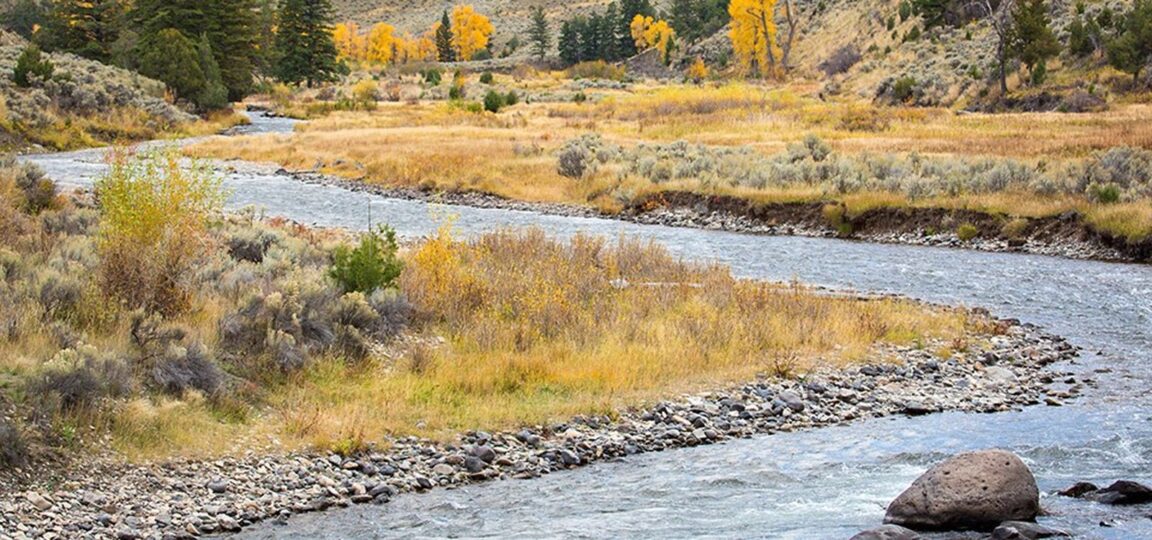
Paradise Valley is a broad river valley about 53 miles long, anchored by Livingston in the north and Gardiner, at the north entrance of Yellowstone National Park, in the south. Elevation sits near 5,000 feet around Emigrant, and autumn weather turns fast at that height. National Weather Service zone forecasts for the valley in October describe the pattern plainly: sunny days with highs in the mid 60s to around 70 degrees, clear nights dropping into the upper 30s, and frontal passages that bring rain, then rain and snow showers, with lows in the upper 20s.
Inside Yellowstone the swing sharpens. October daytime highs in the park average roughly 43 to 56 degrees Fahrenheit, with nighttime lows of 20 to 30 degrees, and most park roads close by October 31 due to snow. Only the road from Gardiner through Mammoth Hot Springs to Cooke City stays open to regular vehicles year round. A Paradise Valley base is therefore both a hot springs trip and a shoulder season mountain trip, and the packing has to respect the colder of the two every single day.
What belongs in the hot springs kit?
The valley holds several natural hot springs, including Chico Hot Springs near Emigrant and Yellowstone Hot Springs north of Gardiner, about eight miles from the North Entrance. Soaking is an evening ritual here, often after a cold day outside, so the kit should be ready to grab without unpacking the whole bag.
- Swimsuit, plus a spare: Two suits rotate through daily soaks without a damp suit going back on in cold air.
- Waterproof pouch: Keeps wet suits away from insulation on the drive back, which matters when the car cools fast after dark.
- Warm hat for the walk out: Wet hair and a freezing evening are a poor pair. A beanie in the pouch is the smallest comfort item in the bag.
- Deck sandals with tread: Frost can form on outdoor decks and paths in the evening. Smooth soles are a fall risk.
- Insulated bottle: Hydration around hot water matters, and the same bottle serves on dawn riverbanks the next morning.
- Dry base layer top: Changing out of a damp layer before the drive back prevents the deep chill that ends evenings early.
How should the fly fishing and river layers work?
The Yellowstone River through Paradise Valley is noted for world class fly fishing, with famous spring creeks nearby such as DePuy Spring Creek, and autumn is prime season. Anglers should note that waders, boots and rods are specialist kit: many travelers rent waders and boots locally rather than flying with them, which also avoids moving felt soles and gear between watersheds. What belongs in the personal bag is the layer system that goes under waders and works without them on bank and boat days.
Start with a merino or synthetic base layer, top and bottom. Add an insulated mid layer, fleece or light puffy, that fits under a shell and under waders. Finish with a waterproof shell jacket. On the river at dawn, all three layers run together; by a sunny afternoon, the base layer and shell alone are enough. Warm merino socks, a sun cap for glare off the water, polarized sunglasses on a retainer, and thin gloves for cold mornings complete the river set. For a ranch base that uses the same layer logic, see our guide to The Ranch at Rock Creek, Montana.
What does a Yellowstone gate day add to the bag?
A gate day means Gardiner and Mammoth Hot Springs, five miles inside the park, where the travertine terraces and Fort Yellowstone sit at a little above 6,000 feet. Pack the daypack with the full layer system, not the valley version of it: insulated mid layer, shell, hat and gloves, plus water and food, because services thin out sharply in October as lodges and facilities close for the season. Elk are common around Mammoth, and the park service warns that elk are wild and unpredictable, so the daypack should also carry binoculars for watching from a safe distance rather than a plan to approach. Our winter soaking guide for Banff, with its hot springs and frozen lake, uses the same full layer discipline for gate days in colder country.
What footwear covers springs, riverbanks and boardwalks?
Two pairs plus sandals. Waterproof hiking boots with ankle support handle fishing access paths, valley trails and the Mammoth boardwalk approaches, where frost and steam can make surfaces slick. A comfortable walking shoe covers Livingston evenings and travel days. The deck sandals from the springs kit are the third pair and double as lodge footwear. In late October, add packable traction aids if a storm is forecast, because shaded paths and boardwalks hold ice long after roads clear.
What should stay home?
Skip a heavy expedition parka: the layer system covers the realistic cold, and bulk steals room from the insulation that actually gets used. Skip dress clothes beyond one neat sweater and clean trousers for Livingston and Gardiner dinners, which run casual. Skip a full wader and boot set if renting locally is an option, and skip cotton base layers entirely, because cotton loses its warmth when damp and autumn riverbanks are damp by definition. Travelers building a broader cold country kit can compare notes with our Patagonia windproof carry on system, where the same no cotton rule applies.
Frequently Asked Questions
Is the North Entrance really open in late October?
Yes. The North Entrance at Gardiner is open year round, and the road from Gardiner through Mammoth Hot Springs to Cooke City is the only Yellowstone road generally open to regular vehicles all year, weather permitting. Most other park roads close by October 31, and some passes close earlier, so a late October plan should be built around the northern range.
How cold does Paradise Valley get at night in autumn?
October forecasts for the valley show lows in the upper 30s to lower 40s on mild nights, dropping to the upper 20s when fronts bring rain and snow showers. Inside the park, October lows of 20 to 30 degrees Fahrenheit are typical. Pack insulation for below freezing, even if the arrival afternoon feels like summer.
Should I fly with my own waders and fishing gear?
Most travelers rent waders and boots from local outfitters in Livingston, Emigrant or Gardiner and bring only personal layers, rods they are attached to, and flies. Renting saves baggage weight and avoids carrying gear between watersheds. Confirm rental availability ahead in late season, because some services reduce hours after mid October.
Can I visit the hot springs and Yellowstone in one day?
Yes, and it is the classic valley rhythm: a morning in the park through the Gardiner gate, an afternoon on the river or in Livingston, and an evening soak. The bag supports it if the springs pouch and the full layer set both live ready to grab, because the temperature gap between a Mammoth morning and a Chico evening can be 40 degrees.
What is the most common packing mistake for this trip?
Packing for the afternoon photograph instead of the dawn reality. Sunny 65 degree afternoons sell the trip, but the memorable hours, elk at first light, trout rising in cold water, steam over a morning soak, all happen near or below freezing. The layer system, hat and gloves are the trip, not the backup plan.
Last updated November 2026. Weather norms, road status rules and park details checked against National Weather Service and National Park Service sources on the day of writing. Check current Yellowstone road status before any gate day, because October closures move with snow.