 Hana Kim
Pack for a coast in transition: a swimsuit that will still get used, a warm layer for evening ferries, and a bag soft enough for catamaran decks and old town stairs. October on the Dalmatian Coast keeps the sea near 20 degrees Celsius and the towns lively, but ferry timetables thin out after mid month and the bura wind can turn a crossing cold in an hour. This list packs for the swim windows and the schedule, not for August.
Quick Facts
- Destination: Split, Hvar, Brac, Korcula and the central Dalmatian Coast, Croatia
- Season covered: October, with the first three weeks as the sweet spot
- Sea temperature: Around 20 degrees Celsius in October around Split, warmer in the south early in the month and cooler after strong bura winds
- Air pattern: High teens to low twenties Celsius by day in Split, cooler at night, with faster weather changes than summer
- Ferry reality: Catamarans to Hvar run on reduced autumn schedules, the Jadrolinija Split to Stari Grad car ferry runs year round, and several summer only lines end in September or mid October
- Bag strategy: One soft carry on that can be carried up gangways and old town steps, with a daypack for ferry days
What changes on the Dalmatian Coast in October?
Almost everything that decides a packing list. Split and Dubrovnik still feel like working cities, air temperatures sit in the high teens to low twenties Celsius, and the Adriatic holds summer warmth well into the month, so swimming stays realistic for much of October, especially in the first two to three weeks. Sea temperatures around Split average about 20 degrees Celsius in October, while the southern coast around Dubrovnik runs warmer early in the month, from about 21 degrees down to 19 by the end.
At the same time, the season is visibly closing. Beach bars and lifeguard services wind down at the end of September, some island hotels and restaurants close after the first week or two of October, and the weather turns faster, with more days of jugo, the warm humid southeast wind, and bura, the cold gusty northeast wind that can drop sea surface temperatures by two or three degrees in a day or two. The bag has to serve a swimmer at noon and a ferry passenger in a cold wind at dusk, sometimes on the same day.
How do ferry schedules after season shape the bag?
October ferries run, but less often, and missing one costs more than in summer. Current schedule summaries for the Split to Hvar routes show the pattern clearly. The Krilo catamaran sails Split to Hvar Town in about 50 minutes, with a reduced autumn pattern of two sailings a day from late September to mid November, down from six a day in high summer. The Jadrolinija catamaran on the same route ends its season in mid October. The year round fallback is the Jadrolinija car ferry, line 635, from Split to Stari Grad on Hvar, about 110 minutes, running several times a day even in the low season period from late September to December, followed by a bus of about 20 minutes to Hvar Town.
Three packing consequences follow. First, travel with a bag that can wait comfortably: a soft carry on plus a daypack beats a large hard case when a connection becomes a two hour port wait. Second, keep the warm layer and the rain shell in the daypack, not the main bag, because the coldest and wettest moments of an October trip happen on decks, gangways and exposed quays. Third, keep one full change of clothes and the swimsuit in the daypack on inter island days, so a cancelled or missed sailing that strands the main bag on the wrong island never strands the traveler without basics. Always check the live Jadrolinija and operator timetables before travel, because autumn schedules change by date and some sailings are weekday only. For the mainland base itself, our guide to Kotor, Montenegro, just down the coast, pairs naturally with a Dalmatian itinerary and uses the same shoulder season layer logic.
What belongs in the swim and island layer kit?
- Swimsuit, two if swimming daily: October water near 20 degrees Celsius is fresh but swimmable, and a second suit avoids a cold, damp start on consecutive swim days.
- Light microfiber towel: Beach infrastructure closes in October, so the towel that August did not need becomes essential on rocks and quiet coves.
- Water shoes or grippy sandals: Dalmatian beaches are pebble and rock, and the famous Zlatni Rat near Bol shifts shape with wind and currents. Bare feet are a summer habit to drop.
- Warm mid layer, fleece or light puffy: For evening ferries, bura days and old town dinners after sunset. This is the most worn item of an October trip.
- Packable rain shell: Jugo brings warm rain, bura brings cold wind, and the shell answers both on deck and in town.
- Dry pouch for documents and phone: Spray on catamarans and small taxi boats to the Pakleni Islands makes a sealed pouch standard kit.
- Sun protection, still: October sun on white stone and water still burns. Sunscreen, sunglasses and a hat stay in the bag until the last swim day.
What clothing system covers town, boat and swim days?
Build around layers that mix. Two pairs of trousers, one lighter and one warmer, four tops that layer cleanly, and the mid layer plus shell as the outer system cover the realistic range from a 22 degree afternoon in Split to a windy 12 degree evening crossing. A dress or neat shirt for dinners in Split, Hvar Town or Korcula covers the social side; October crowds are smaller and restaurants that stay open skew local, so tidy and warm beats formal. Sleepwear that doubles as a spare layer saves space. Underlayers in quick drying fabric matter because island laundries thin out after season and a sink wash needs to dry overnight in cooler air.
Footwear is two pairs: comfortable walking shoes that handle wet marble old town streets, which are famously slick in rain, and the water sandals from the swim kit. Boots are unnecessary in October unless a Biokovo or island interior hiking plan demands them, in which case the walking shoes should be trail capable rather than a third pair joining the bag. Travelers continuing to an island hopping trip in warmer water can compare this list with our Caribbean island hopping one bag packing and logistics system, where the ferry discipline is similar and the layers are not.
What should stay home?
Skip a full summer wardrobe of shorts and beach dresses: one or two warm weather outfits are enough for early October afternoons. Skip a large hard suitcase, which fights gangways, catamaran storage and old town stairs at every step. Skip a beach umbrella and bulky beach gear, because October swimming is short, opportunistic and often from rocks. Skip heavy formal wear and a second evening outfit. The coast in October rewards the traveler whose bag is light enough to change islands on a thinned timetable without regret.
Frequently Asked Questions
Can you still swim on the Dalmatian Coast in October?
Yes, especially in the first two to three weeks. Sea temperatures around Split average about 20 degrees Celsius in October, and the southern coast runs warmer early in the month. Strong bura winds can cool the surface quickly, and most beach services close at the end of September, so pack a towel and water shoes and treat swims as self supported.
Do ferries to Hvar and Korcula still run in October?
Yes, on reduced schedules. Catamarans to Hvar Town run fewer sailings from late September, with some lines ending in mid October, while the Jadrolinija car ferry from Split to Stari Grad runs year round several times a day. Korcula and Brac also stay reachable with fewer daily departures. Check the live operator timetable for the exact date, because some sailings are weekday only in the low season period.
What is the bura, and why does it change the packing?
The bura is a cold, gusty northeast wind that arrives more often from October onward. It can drop temperatures fast, cool the sea surface by two or three degrees in a day or two, and make ferry decks and evening walks genuinely cold. It is the reason the warm mid layer and shell live in the daypack, not the main bag.
Is Split a good base in October?
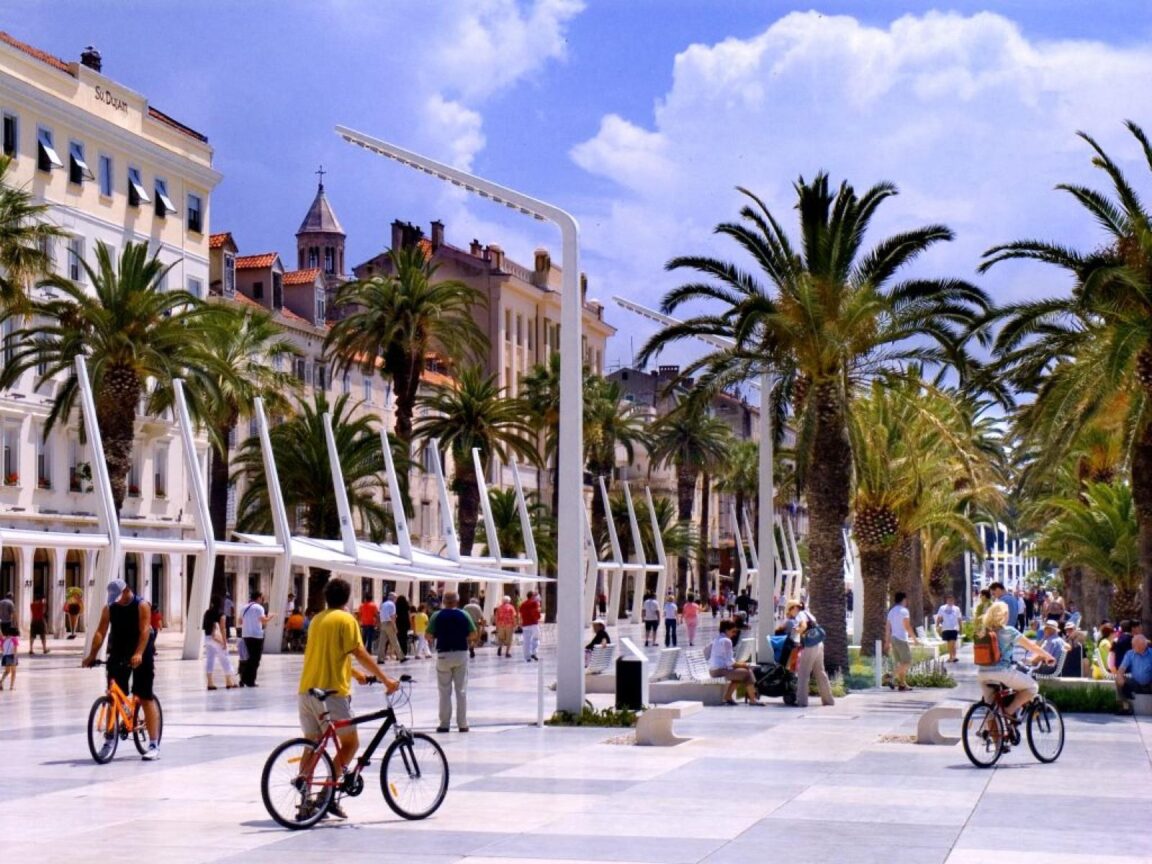
Yes. Split stays a working city with the fullest transport links on the central coast, the Riva and Diocletian Palace are far less crowded than in August, and the ferry port puts Hvar, Brac and Solta within day trip range even on autumn timetables. Base in Split for schedule resilience and sleep on the islands for atmosphere, in that order if the trip is short.
What is the one item October travelers most regret leaving behind?
A warm layer that is actually warm. October photographs look like summer, so travelers pack for the pictures and then meet a bura evening on an open deck. A fleece or light puffy, plus the shell, turns the coldest crossing of the trip into a comfortable one.
Last updated November 2026. Ferry patterns, sea temperatures and seasonal details checked against Jadrolinija schedule summaries and current Dalmatian Coast sources on the day of writing. Autumn timetables change by date, so confirm every sailing with the operator before travel.