 Thandiwe Nkosi
There are no Mount Rainier timed entry reservations in 2026, for any part of the park, at any price. That is the correction this article exists to make, because the premise in its own title is out of date. In a news release dated 25 February 2026, Mount Rainier National Park stated that it will not implement a timed entry reservation for any portion of the park in 2026, and the park’s Fees and Passes page repeats the point in plain terms: timed entry reservations are currently not required anywhere in Mount Rainier National Park. The reservation windows, release batches and corridor rules that applied to the Paradise and Sunrise corridors in the pilot years are gone for 2026. In their place the park is using parking management strategies to maximise available capacity. What you still need is an entrance pass, bought in a cashless park, and a realistic plan for full car parks. What you may still need, separately, are campground reservations, wilderness permits for overnight backcountry trips, and climbing permits. This guide separates those systems out, because confusing them is now the main way a Rainier trip goes wrong.
Quick Facts
- Timed entry in 2026: None. Not required anywhere in the park, for Paradise, Sunrise or any other corridor, per the National Park Service news release of 25 February 2026.
- What replaced it: Parking management strategies. Entry is effectively first come for parking, and full areas are the constraint to plan around.
- Entrance pass: A Standard Pass costs 15 to 30 dollars depending on how you enter; the Mount Rainier Annual Pass is 55 dollars; America the Beautiful passes are also accepted.
- Payment: The park does not accept cash. Entrance stations take card and electronic payment only.
- Park advice on timing: Visit before 7 am or after 4 pm, prefer weekdays over weekends and holidays, and have an alternative location in mind if your first choice is full.
- Still bookable, separately: Campgrounds, wilderness permits for overnight stays (required year-round), and climbing permits. A Discover Pass does not cover Mount Rainier; it is for Washington State Parks only.
- Pets: Pets are not permitted on park trails; the park’s advice is to leave your pet at home.
- Source checked 17 November 2026: National Park Service, Mount Rainier news release of 25 February 2026 and the park Fees and Passes and Wilderness Permits pages at nps.gov.
What exactly did the park announce for 2026?
The announcement is short and unambiguous. Mount Rainier National Park will not implement a timed entry reservation for any portion of the park in 2026. The park will use parking management strategies to maximise available capacity, and it framed the decision as a commitment to visitor access while protecting park resources and maintaining safe, enjoyable experiences. Superintendent Gregory Dudgeon, quoted in the release, said the park is dedicated to providing meaningful access while responsibly managing congestion during peak periods, and that it will continue using proven traffic and parking management strategies. There is no partial version of the old system hiding in the detail: no Paradise-only window, no Sunrise-only season, no small release batch for weekends. The Fees and Passes page states the same position as current fact, not as a proposal, and cross-references the February release.
That matters because the internet has not caught up. Older guides, screenshots of the pilot-era Recreation.gov pages and last year’s planning advice still describe booking a timed slot for the Paradise corridor in peak summer hours and for the Sunrise corridor across its open season, at a small per-vehicle reservation fee on top of the entrance pass. For a 2026 trip, following that advice wastes an evening and can do worse: a traveller who believes a slot is required, fails to find one, and cancels a trip has been misled by a system that no longer exists. If a page tells you to reserve a Rainier entry window for 2026, check its date before you believe it, and check nps.gov before you act on it. Our earlier overview, US National Park Reservations in 2026: Which Parks Dropped Timed Entry and Which Still Require It, tracks the same pattern across the park system, and Rainier is firmly in the dropped column.
So what does a 2026 arrival actually look like?
You drive to an entrance, you show or buy an entrance pass, and you go in, subject to the ordinary realities of roads, weather and parking. Entrance passes are required for all visitors accessing any area of the park, regardless of the day and time. The Standard Pass is priced in a range, 15 to 30 dollars, because the price depends on how you enter: a private vehicle with its passengers sits at the top of that range, a motorcycle below it, and a person entering on foot or by bicycle, aged 16 or over, at the bottom. Children under 16 do not need their own pass. A standard vehicle pass grants unlimited entry for that vehicle and its passengers for seven consecutive days. The Mount Rainier Annual Pass, at 55 dollars, covers the pass holder and accompanying passengers in a single private, non-commercial vehicle for a year and makes sense for anyone local enough to return. America the Beautiful passes, including the senior, military, access and fourth grade variants, are accepted in the usual way. One local trap is named explicitly by the park: the Discover Pass is for Washington State Parks only and does not cover Mount Rainier National Park.
Payment deserves a line of its own. The park does not accept cash, and its entrance stations, including Nisqually, Stevens Canyon, White River, Carbon River and Mowich Lake, are listed as credit and debit only. If you enter outside daylight hours, the park directs you to purchase a pass at the next available staffed entrance, by card or electronic payment. A printed voucher is preferred for pre-bought passes, and the park notes the single vehicle one-to-seven-day pass can be bought online roughly three weeks in advance. None of that is a timed entry reservation: it is simply buying the entrance pass early, and it reserves no arrival hour and no parking space.
How should you plan around parking instead of reservations?
The park’s own strategies, published with the February announcement, read like a checklist and this guide repeats them because they are the operative advice for 2026. Check the park’s official website for the most up to date trip planning information before you set out, including current alerts and road status. Identify an alternative location if your preferred option is full, before you are sitting in a queue making that decision badly. Consider visiting before 7 am or after 4 pm: the park makes the point that long summer daylight gives less congested trails and better parking availability in the afternoon and evening hours, which suits Sunrise and Paradise photography as well as it suits logistics. Consider weekday trips, because the park tends to be busiest during weekends and holidays. Explore lesser known trails for hiking and sightseeing rather than defaulting to the two famous corridors. And note the rule that surprises dog owners every year: pets are not permitted on park trails, so leave your pet at home.
For Washington context beyond the park boundary, our Packing for Washington’s San Juans in Autumn: Ferry Decks and the Rest of the Bag covers the other end of the state’s outdoor trips, where ferries, not car parks, are the capacity problem.
Which reservations still exist, and how do they work?
Three systems survive the end of timed entry, and each is narrower than general admission. First, campgrounds. Frontcountry camping is a separate booking world from day entry, and one 2026 fact is worth knowing before you plan around it: the Ohanapecosh Campground is closed for construction in 2026, a closure the park has repeated in its 2026 notices. Check the park’s campground pages for which campgrounds are open, which take reservations and which operate first come.
Second, wilderness permits. A permit is required year-round for all overnight stays in the backcountry, and an entrance pass is still required on top of it. For the peak season, June to September, advance reservations are available on Recreation.gov: roughly two thirds of summer backpacking and climbing permits are released for advance reservation, reservations must be made at least two days ahead of the trip start, and a confirmed reservation costs a 6 dollar Recreation.gov fee plus 12 dollars per person per night. The remaining third or so of permits are issued at park Wilderness Information Centers on a first come, first served basis, requestable at most one day before the trip starts. Because demand for Wonderland Trail circuits and high-use climbing routes exceeds capacity, the park also runs an optional early access lottery, which opens in February each year, with remaining reservable inventory opening on Recreation.gov from 25 April. A reservation is cancelled if you do not show up by noon on the day the trip begins, unless you contact the park to hold it.
Third, climbing. Climbing Mount Rainier itself sits under its own permit and registration regime, with seasonal registration arrangements that are entirely separate from park entry. None of these three systems is a timed entry reservation, none of them is needed for a day visit to Paradise or Sunrise, and needing one of them does not change the headline rule: day entry in 2026 is unreserved.
Frequently Asked Questions
Do I need a timed entry reservation for Paradise or Sunrise in 2026?
No. The National Park Service announced on 25 February 2026 that Mount Rainier will not implement a timed entry reservation for any portion of the park in 2026, and its Fees and Passes page confirms timed entry reservations are not required anywhere in the park. There is no corridor exception.
How much does it cost to enter Mount Rainier in 2026?
A Standard Pass costs 15 to 30 dollars depending on entry mode, with a private vehicle at the top of the range, and it is valid for seven consecutive days. The Mount Rainier Annual Pass is 55 dollars. America the Beautiful passes are accepted. The park is cashless, so pay by card or electronic payment.
I found a website offering to book my Rainier entry slot. Should I use it?
No. There is no entry slot to book in 2026. Pages describing Paradise or Sunrise reservation windows and release batches describe the discontinued pilot. The only advance purchases relevant to a day trip are the entrance pass itself, which can be bought online roughly three weeks ahead, and separate campground, wilderness or climbing bookings if your trip needs them.
What is the best way to get a parking space at Paradise in summer 2026?
Follow the park’s published strategy: arrive before 7 am or after 4 pm, choose a weekday over a weekend or holiday, check current alerts and road status on nps.gov before leaving, and decide your alternative location in advance in case the Paradise area is full. Parking management, not reservations, is the park’s chosen tool this year.
Does the end of timed entry change wilderness or climbing permits?
No. Overnight backcountry stays still require a wilderness permit year-round, with advance reservations on Recreation.gov for the June to September peak, a 6 dollar reservation fee plus 12 dollars per person per night, and walk-up permits at Wilderness Information Centers for the remaining inventory. Climbing keeps its own permit and registration system.
Will timed entry come back in 2027?
The park has not said so in the sources checked for this article. The February 2026 release commits only to 2026 and to parking management for that year. Check the Mount Rainier pages on nps.gov before planning a 2027 summer trip, because this policy has changed from year to year.
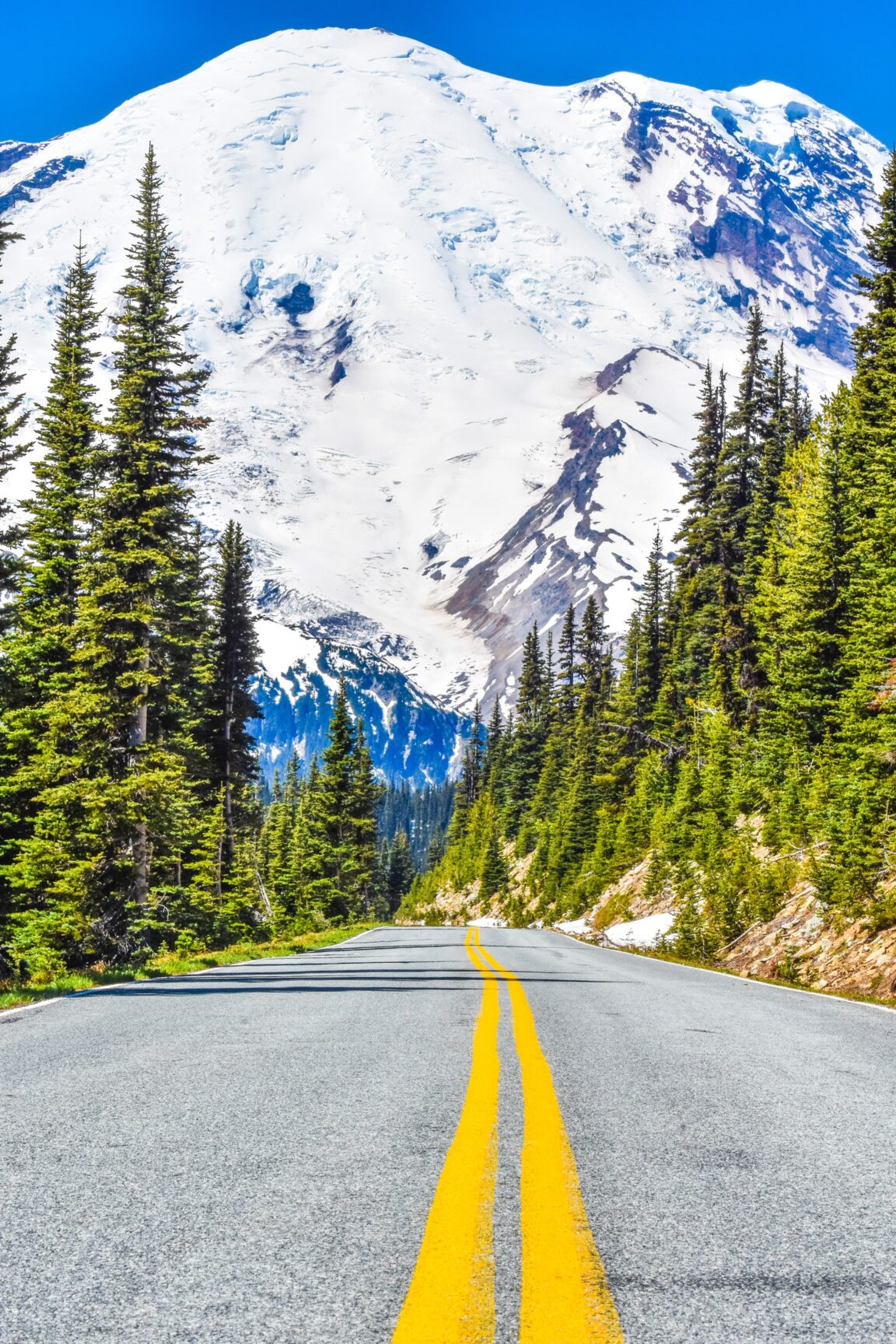
Sources checked 17 November 2026: National Park Service, Mount Rainier National Park Will Not Require Timed Entry Reservations in 2026, news release dated 25 February 2026; NPS Mount Rainier Fees and Passes page; NPS Mount Rainier Wilderness Permits page, nps.gov. Photo: Mount Rainier above Sunrise Road, NPS Photo, National Park Service, public domain, via NPGallery.