 Jonas Lindqvist
Pack for the Black Hills in shoulder season as if three climates share one bag, because they do: mild afternoons on the granite roads, a real chance of snow at Deadwood elevation, and a cave underground that sits at a constant 54 degrees Fahrenheit at Wind Cave and 49 degrees at Jewel Cave whatever the surface is doing. The system that survives all three is a layered one bag kit built around a warm mid layer you will wear underground and in the snow, a waterproof shell, broken in walking shoes with grip, and a small driving kit that never leaves the car. This guide resolves each piece against the actual conditions, season by season and cave by cave.
Quick Facts
- Shoulder seasons: Spring, roughly April to May, and autumn, roughly September to October
- Cave temperatures: Wind Cave holds a constant 54 degrees Fahrenheit year round; Jewel Cave holds about 49 degrees Fahrenheit
- Surface swing: Shoulder season days can move through swings of 40 degrees Fahrenheit or more between morning and afternoon
- Snow reality: Deadwood averages its heaviest snowfall in spring, with April the snowiest month in long term records; snow is possible from September to May
- Bag: One carry on sized bag plus a personal item is enough with the layer system below
- Non negotiables: Warm mid layer, waterproof shell, grippy walking shoes, hat and gloves, car kit with scraper and offline maps
- Cave tours: Ranger led only; schedules shrink in shoulder season and some tours pause, so check the park pages before you pack around a specific tour
Why shoulder season packing is its own problem
The Black Hills run on elevation, not latitude alone. Deadwood sits high in the northern hills, and its long term climate record is a warning against packing for the calendar: average highs there run about 52 degrees Fahrenheit in April and 54 in October, with lows near freezing, and the average snowfall curve peaks in April at the top of a snowy period that stretches from September to May. Lower and further south, around Wind Cave and Hot Springs, the same weeks run milder, with May highs in the mid 60s and October highs near 59 in the park climate tables. A single trip usually strings both ends together, Deadwood and Lead in the north, Custer, Wind Cave and Jewel Cave in the south, with scenic drives over the passes between them. Pack for the coldest hour of the coldest stop, and make every layer earn its place at the warmest hour too.
The cave layer: the most predictable packing decision of the trip
Underground, the guesswork disappears. Wind Cave stays at 54 degrees Fahrenheit in every month, and Jewel Cave stays at about 49 degrees, and both parks give the same advice in different words: bring a jacket on the tour whatever the weather outside, because guided tours last from about half an hour to an hour or more of slow walking and standing in humid, still air that makes you colder than the number suggests. The right cave layer is the same warm mid layer you pack for cold mornings: a fleece or light insulated jacket that fits under your shell, worn underground on its own. Add closed shoes with real tread, because cave paths are wet, uneven and in places steep, and leave the daypack behind if the tour rules ask for it: cave tours restrict bags to protect the formations and the passages. A thin pair of gloves earns its space here too, for handrails that run cold at Jewel Cave temperatures.
The snow insurance layer: Deadwood and the high roads
Shoulder season snow in the Black Hills is not an edge case. The hills average around 30 inches of snow a season in the Wind Cave country and far more at Deadwood elevation, where the long term annual figure is dramatically higher, and spring storms are the famous ones: heavy, wet snow that can close Highway 385 and secondary roads without much warning between November and March, and surprise travellers in April and even May. Your insurance is cheap in bag space. A packable insulated jacket or a fleece plus shell combination that genuinely works below freezing. A warm hat and gloves, not the thin cave pair. Waterproof walking boots or shoes you have already broken in, with tread for icy boardwalks in Deadwood and slushy trailheads at Custer State Park. Microspikes are a judgement call: in a spring storm week they turn an icy morning walk into a non event, and they weigh almost nothing. In a dry October week they will never leave the bag, which is exactly what insurance is for.
The driving kit: what lives in the car, not the bag
Half of shoulder season packing is not clothing at all. The Black Hills are a driving trip: Needles Highway, Iron Mountain Road and the wildlife loop through Custer State Park are the itinerary, and the scenic roads and park secondaries are the first things weather closes. Keep a car kit separate from your luggage so a road day never raids your clothing layers: an ice scraper and snow brush, a phone charger and a power bank, offline maps downloaded before you leave Rapid City or Deadwood because coverage drops in the hills, water and snacks for a slow hour, and a paper note of the park phone numbers, since the parks advise calling ahead for tour and road status in the cold months. Check cave tour schedules the night before each cave day: in shoulder season the tour menu shrinks, some tours are suspended in icy conditions, and reservations through Recreation.gov are the norm for Jewel Cave and recommended for Wind Cave in busy weeks. A traveller who packs layers but not information still loses the day.
The one bag list, resolved
Base layers: merino or synthetic tops for three to four days, washed and rotated, because shoulder season sweat management matters on sunny trail afternoons. Mid layer: one warm fleece or light insulated jacket, doing triple duty in the caves, at dawn viewpoints and under the shell in snow. Shell: one waterproof jacket with a hood, sized to fit over the mid layer. Legs: one pair of sturdy walking trousers, one softer pair for towns and driving days, and thermal leggings if your trip leans spring rather than autumn. Feet: broken in waterproof walking shoes or light boots, one town shoe at most, and wool socks in rotation. Small things: warm hat, two pairs of gloves, sunglasses for snow glare and cave to sunlight transitions, a headlamp for early starts, and a compressible daypack for surface hikes that stays out of the caves. That is the whole bag. If an item does not serve the cave, the snow or the road, it does not travel.
What pairs with this packing system?
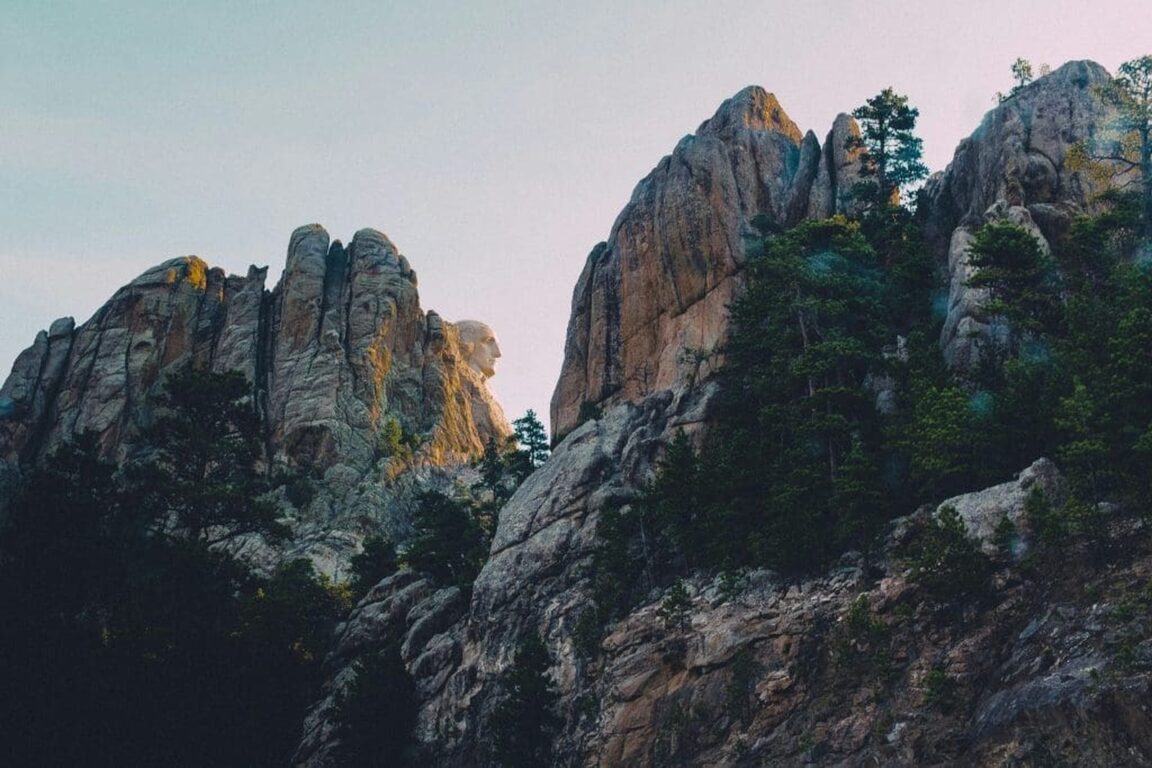
Pack once and the whole hills itinerary opens up: Wind Cave and Jewel Cave on consecutive days, a Mount Rushmore morning, the Custer State Park wildlife loop at dawn when the layers earn their keep, and Deadwood after dark when the temperature falls off a cliff. For budgeting the same trip, our guide to what a trip to Theodore Roosevelt National Park costs is the northern plains comparison most Black Hills travellers make when stringing the Dakotas together. For another shoulder season layering system at the other end of the country, see our packing guide for the Shenandoah Valley in autumn, which solves the same swing problem for Skyline Drive.
Frequently Asked Questions
How cold are the Black Hills caves?
Wind Cave is a constant 54 degrees Fahrenheit year round and Jewel Cave is about 49 degrees Fahrenheit. Both feel colder than the number over a slow guided tour, so wear a warm jacket and closed, grippy shoes underground in every season.
Can it really snow in the Black Hills in spring?
Yes. Long term records for Deadwood show the snowiest period running from September to May, with April the snowiest month on average. Spring storms can close roads, which is why the snow layer and the car kit are in this list.
What is the single most important item to pack?
A warm mid layer that fits under a waterproof shell. It covers the caves at 49 to 54 degrees, cold mornings on the scenic drives, and the below freezing hour if a storm arrives.
Do I need microspikes?
Only as insurance. In a dry autumn week you will not use them. In an icy spring week they make boardwalks, trailheads and cave visitor centre paths far safer, and they weigh very little.
Can I do the Black Hills from one carry on in shoulder season?
Yes, with the layer system in this guide: three to four rotating base layers, one mid layer, one shell, two leg options and one main pair of walking shoes. The car kit travels separately and does not count against the bag.
Should I book cave tours before I travel?
Yes. Shoulder season schedules are reduced and some tours pause in icy conditions. Check the Wind Cave and Jewel Cave pages and Recreation.gov before the trip and again the night before each cave day.
Temperatures and climate figures checked 16 November 2026 against National Park Service cave data and long term climate normals for Deadwood and the Wind Cave area. Check park alerts and tour schedules immediately before travel.