 James Wolfe
Mestia in winter is a ski trip inside a medieval fortress town, and it should be planned in that order: allow a full day for the mountain road from Zugdidi, base in Mestia itself at about 1,500 metres, ski small and close at Hatsvali on your first day, ski bigger and higher at Tetnuldi once you know the weather, and keep the Svan towers and the Svaneti Museum for the afternoons and the bad weather day. The trade off is stated plainly at the start: winter gives you snow covered towers, quiet slopes and the most atmospheric version of Upper Svaneti, in exchange for the hardest travel conditions of the year, short days, and a road and flight schedule that the weather, not you, controls.
Quick Facts
- Where: Mestia, the main town of Upper Svaneti in northwest Georgia, at about 1,500 metres in the Greater Caucasus, roughly 128 km northeast of Zugdidi.
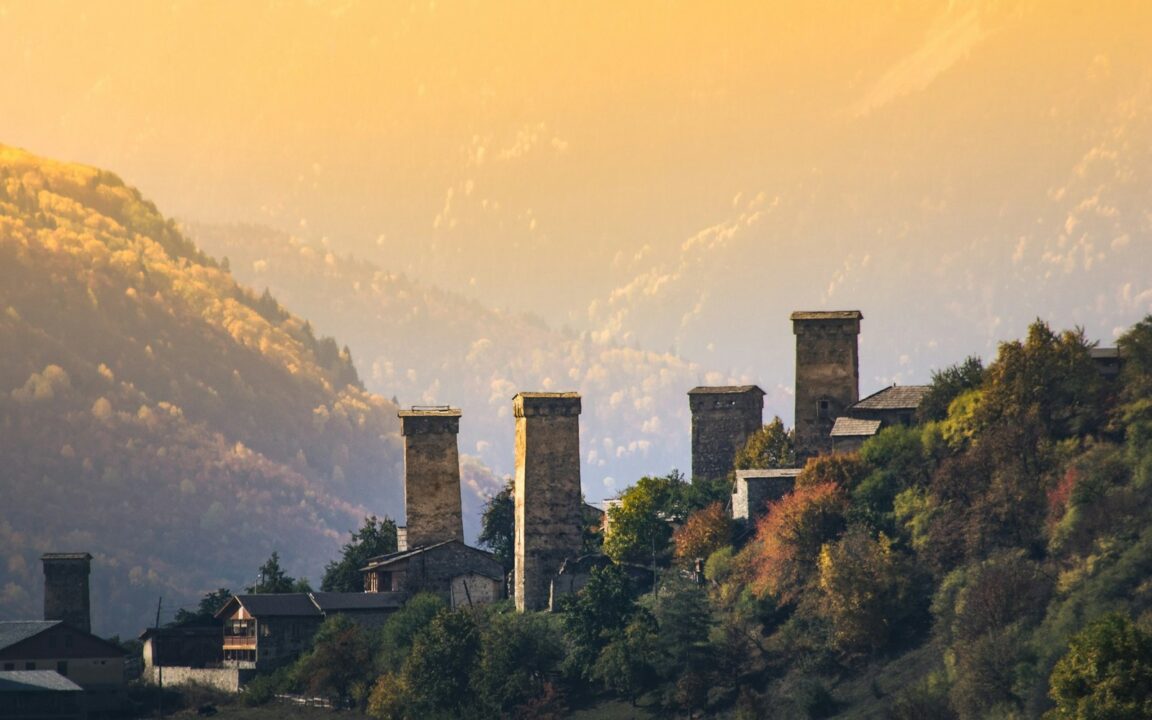
- Signature sight: The Svan towers, medieval stone defensive towers roughly 20 to 25 metres high, built mainly between the 9th and 13th centuries and protected within the Upper Svaneti UNESCO World Heritage listing.
- Close ski area: Hatsvali, on the ridge directly above town, reached by cable car toward the Zuruldi ridge at about 2,350 metres. Best for a first day, beginners and families.
- Big ski area: Tetnuldi, about 15 km from Mestia by road, with lifts reaching about 3,160 metres and long runs beneath the 4,858 metre peak of the same name. Best for confident skiers and freeriders.
- Typical ski season: Late December into March for Hatsvali and often into April for higher Tetnuldi, always snow dependent. Confirm lift status locally before travelling.
- Museum: The Svaneti Museum of History and Ethnography, founded in 1936, holding medieval icons, illuminated manuscripts and church treasures. It is usually closed on Mondays and hours vary by season, so check locally.
- Getting there: Train or road to Zugdidi, then about three and a half to four hours by marshrutka or car up the Enguri valley. Small planes fly from Natakhtari near Tbilisi in about an hour when weather allows.
What do the Svan towers look like under snow?
They look like the reason you came. Mestia’s towers were built by families as refuges against feud, raid and avalanche, entered by ladder, stocked with food and livestock space below and fighting platforms above, and dozens of them still stand over the rooftops of the town’s old quarters, Lanchvali and Lagami among them, above Seti Square. In winter the effect sharpens: snow loads the slate roofs, woodsmoke rises between the towers, and on a clear day the white wall of the Caucasus, with twin peaked Ushba in one direction and Tetnuldi in the other, closes every street view. Walk the lanes in the late afternoon, when the stone takes the last light, and go inside one tower properly rather than only photographing them. The Margiani family house museum lets visitors climb inside a real tower by its ladders and see the traditional house, the machubi, beneath it, while the Mikheil Khergiani House Museum adds the story of Svaneti’s most famous mountaineer.
Give the Svaneti Museum a full, unhurried visit rather than a spare half hour. Its treasury of gilded crosses, medieval icons and illuminated Gospels, including manuscripts kept for centuries in Svan churches and towers, is regularly described as one of the finest collections in Georgia outside Tbilisi, and it is the warm, essential indoor anchor of a winter trip. It usually closes on Mondays and its hours shift between summer and winter, a pattern repeated across Mestia in the cold months, so the local rule is simple: confirm opening the day before, every time, for museums, lifts and drivers alike. Our wider Tbilisi guide covers the capital end of this journey, including the onward connections most visitors use.
Should you ski Hatsvali or Tetnuldi first?
Hatsvali first, and it is not close. The Hatsvali lifts rise from the edge of town toward the Zuruldi ridge, so a first ski day costs you almost no logistics: no early driver, no mountain road, and an easy retreat to town if the weather turns or the altitude bites. The skiing is small, friendly and view filled, aimed at beginners, families and anyone who wants a half day on snow and a long lunch looking at Ushba. The cable car also runs as a sightseeing ride, with the ridge walk toward the Mentashi viewpoint rewarding non skiers in clear weather, though lift hours in Svaneti are famously changeable and should be confirmed the evening before.
Tetnuldi is the serious day. The resort sits about 15 km from Mestia and needs a driver or organised transfer on a road that is cleared less predictably than the Hatsvali access, so book the transfer through your guesthouse the night before and agree the price in advance. In return you get a higher, wilder mountain: lifts to about 3,160 metres, a top to bottom descent of around 9.5 km, wide open slopes and a freeride reputation that draws experienced skiers who find Hatsvali too gentle. The honest division is this: Hatsvali is Mestia’s own hill, Tetnuldi is a mountain you visit from Mestia, and a winter trip of three ski days usually splits one and two, in that order, weather permitting. Skiers comparing Caucasus scale with North American winter towns can set this trip beside our guide to Banff in winter for a useful contrast in infrastructure and effort.
How hard is getting to Mestia in winter, honestly?
This is the section to read twice. Mestia is about 460 km from Tbilisi by the usual route, and no version of the journey is quick. The standard pattern is a train or drive of about six hours to Zugdidi, then three and a half to four hours in a marshrutka or hired car up the Enguri gorge road to Mestia, a spectacular climb that in winter can carry ice in the shaded sections even under a clear sky, and can be disrupted by snowfall. Marshrutkas from Zugdidi cost roughly 35 to 40 GEL and leave when full or on local schedules that you confirm at the station, not online. The small plane from Natakhtari airfield near Tbilisi cuts the journey to about an hour and is unforgettable on a clear day, but winter flights are cancelled for weather often enough that no tight connection should ever depend on one.
So build the trip with slack at both ends: a night in Zugdidi or Tbilisi that can absorb a delayed road day, no international flight on the same day you descend from Mestia, and cash in lari for drivers, towers and smaller guesthouses. Pack for a town at 1,500 metres, not a city winter: serious layers, waterproof boots with grip for icy lanes, and a head torch for unlit streets between towers. Ask any guesthouse, before booking, the two winter questions that matter: how is the room heated, and what happens with hot water when the town is full. The answers separate the good winter bases from the summer ones.
How many nights does a winter trip need?
Four nights is the honest minimum: one lost gracefully to arrival, one for Hatsvali and the towers, one for Tetnuldi, and one that belongs to the weather, to be spent in the museum, in a tower house, on the Zuruldi cable car in clearing skies, or, if the road to Ushguli is genuinely open and your driver says so, on a long day trip to the tower villages beneath Shkhara, Georgia’s highest mountain at 5,193 metres. Five or six nights turns the same skeleton into a comfortable trip and is the right call in deep winter, when any single plan can slide by a day. Book a guesthouse or small hotel within walking distance of Seti Square, confirm heating and meals in advance, and let the house arrange drivers; in Mestia in winter, a good host is a logistics system, not just a bed. Season patterns, lift details and transport figures in this guide were checked against Georgian tourism and regional sources on November 18, 2026, and every one of them can change with the snow, so reconfirm lifts, roads and flights locally before and during the trip.
Frequently Asked Questions
When is the ski season in Mestia?
Typically from late December into March at Hatsvali and often into April at higher Tetnuldi, depending on snowfall. Both resorts are snow dependent and lift operation can be irregular, so confirm the current season’s opening and daily status locally before you travel.
Which ski area is better for beginners?
Hatsvali, clearly. It sits directly above town with easy access, gentler slopes and a friendly scale suited to beginners and families. Tetnuldi, about 15 km away and reaching about 3,160 metres, suits confident intermediates, advanced skiers and freeriders.
Can you visit Mestia in winter without skiing?
Yes, and many do. The towers under snow, a tower house museum, the Svaneti Museum, the Zuruldi cable car in clear weather and slow evenings in a mountain town make a complete trip. You simply trade summer’s hiking for atmosphere, and accept shorter days and colder lanes.
How do you get to Mestia in winter?
Most visitors travel to Zugdidi by train or road, then take a marshrutka or hired car for the three and a half to four hour mountain road to Mestia. Small planes from Natakhtari near Tbilisi take about an hour but are frequently cancelled in winter weather, so never build a tight connection around one.
Is the road from Zugdidi to Mestia dangerous in winter?
It is demanding rather than impassable: a winding gorge road where shaded ice, snowfall and occasional closures are real possibilities. Use an experienced local driver, travel in daylight, allow a full day for the return journey, and keep a buffer night before any onward flight.
What should you pack for Mestia in winter?
Layered mountain clothing, a genuinely warm and waterproof outer layer, insulated boots with grip for icy lanes, gloves and hat, sunglasses for snow glare at altitude, and a head torch. Confirm your guesthouse heating before booking, and carry cash in lari for drivers, museums and smaller houses.