 James Wolfe
Every adult visiting Uluru-Kata Tjuta National Park needs a park pass: A$38 for three consecutive days, or A$50 for an annual pass, with visitors under 18 free, per Parks Australia. One pass covers both Uluru and Kata Tjuta, it is not included in tour or hotel prices, and part of what it funds is spelled out by the park itself: the lease payments and joint management of Anangu owned land. The climb is not part of any ticket, because it closed permanently on 26 October 2019 at the request of Anangu, the traditional owners, and climbing is now an offence. This explainer walks the pass system in the order a first time visitor actually uses it, from buying online to the entry station, the Cultural Centre and the walks the pass unlocks, with every price and rule checked against Parks Australia today.
Quick Facts
- The pass: Adult pass A$38 for three consecutive days, annual pass A$50 per adult, visitors under 18 free, per Parks Australia. Prices are in Australian dollars and there is no concession tier.
- What it covers: Entry to Uluru-Kata Tjuta National Park only, for both Uluru and Kata Tjuta, for the named pass holder on the stated dates. It does not cover Kakadu, tours, or the separate Northern Territory parks system.
- Where to buy: Online from Parks Australia before you travel, or at the park entry station on arrival. Passes are not transferable and are not refunded or replaced, per the pass conditions.
- Ownership: The park is Anangu land, handed back to its traditional owners in 1985 and leased back to the Director of National Parks, and it is jointly managed by Parks Australia and the Anangu board of management.
- The climb: Permanently closed since 26 October 2019, the 34th anniversary of the handback. There are no exceptions, guided climbs or waivers.
- First stop inside: The Uluru-Kata Tjuta Cultural Centre, near the base of Uluru, which introduces Anangu culture and Tjukurpa, the law and knowledge that governs the park. Allow at least an hour.
- The signature walk: The Uluru Base Walk, a 10.6 kilometre loop taking about 3.5 hours per Parks Australia. Start early, and in summer finish walking before 11 am as the park advises.
What does the Uluru park pass actually cover?
Less, and more, than most visitors assume. The pass is an entry ticket to one park, Uluru-Kata Tjuta National Park, and within that park it is complete: both headline landscapes, Uluru itself and the 36 domes of Kata Tjuta about 50 kilometres west, all walking tracks, the Cultural Centre, the sunrise and sunset viewing areas, and every ranger guided activity the park runs, including the free ranger guided Mala walk that Parks Australia lists in the morning from the Mala car park. What it does not cover is everything outside the boundary. Kakadu National Park, Parks Australia’s other great Top End style property, needs its own pass. Watarrka National Park, home of Kings Canyon, belongs to the Northern Territory system. Commercial tours into the park almost never include the pass in their price, and neither does any Ayers Rock Resort hotel rate at Yulara, the resort township outside the park gate where every visitor sleeps, since camping inside the park is not permitted. Budget the A$38 per adult as a separate line from the first day of planning, because discovering it at the entry station is the most common Uluru budget surprise.
Should you buy the three day pass or the annual pass?
Run the arithmetic on your own itinerary, because the gap is deliberately small. The three day pass at A$38 covers three consecutive days from first entry, which fits the standard visit exactly: a Cultural Centre and sunset day, a base walk day, and a Kata Tjuta day. The annual pass at A$50 costs A$12 more and covers a full year, so it wins in three common cases. It wins if your stay runs four days or longer, since a second three day pass would cost far more than the difference. It wins if your trip might return within the year, including travellers combining Uluru with a later Alice Springs or Kings Canyon road trip that passes the gate again. And it wins for photographers and walkers who want spare days as insurance against heat closures, since Parks Australia closes specific walks on extreme heat days, including the North East Face walk from 11 am at a forecast or actual 40 degrees Celsius. Note what does not exist: there is no concession price, no family ticket and no per vehicle option for standard visitors, and under 18s are simply free, though they still need to be covered by a valid pass arrangement at entry. Pass dates bought online can be managed before the visit under the booking conditions, so an annual pass also buys flexibility when flights move.
Where does the pass money go?
Into the structure that makes this park different from almost any other on earth. Uluru-Kata Tjuta is Aboriginal land. In the 1985 handback, title was returned to Anangu, who immediately leased the land back to the Director of National Parks for 99 years so it could remain a national park, and the park has been jointly managed ever since by a board with an Anangu majority working with Parks Australia. Pass revenue supports that arrangement in two directions. It funds the park’s operations directly: rangers, track and viewing area maintenance, visitor services and conservation work in a desert park of about 1,325 square kilometres. And the lease structure returns rent and a share of park revenue to Anangu through their land trust, alongside employment and training for Anangu rangers and Cultural Centre staff. Parks Australia publishes this framework openly, and it reframes the ticket: the A$38 is not a toll on a rock, it is the mechanism by which visitors pay the owners of the land for access to it, under the owners’ rules. Those rules include the photography restrictions at signed sacred sites around the base, where visitors are asked not to photograph at all, and the ban on recreational drones in the park.
Why is the climb permanently closed, and what do you do instead?
The closure is final, legal and cultural, and it helps to understand all three parts. Anangu had asked visitors not to climb for decades, with signs at the base explaining that the climb route crosses a sacred Dreaming track and that, under Tjukurpa, they feel responsible for anyone hurt on it, and climbers did die and get injured on the steep, exposed chain route. In 2017 the joint board of management voted unanimously to close the climb once visitor numbers and alternatives met agreed conditions, and the last climb took place on 25 October 2019. The climb closed permanently on 26 October 2019, the anniversary of the handback, the chain and infrastructure were removed, and attempting to climb now is an offence under park law, not a grey area. What replaced it is better. The 10.6 kilometre Base Walk circles Uluru at ground level through acacia woodland, waterholes and rock art sites, taking about 3.5 hours at a steady pace, and the shorter Mala and Kuniya walks and the Liru Walk from the Cultural Centre break it into family sized pieces. Start with the Cultural Centre, as Parks Australia and Anangu ask, so the walks are read with their meanings attached. For the fuller respectful visit sequence, see our earlier guide to visiting Uluru respectfully, and for a comparison of how another national park itemises its costs, our Kenai Fjords Exit Glacier cost guide.
How do you buy and use the pass, step by step?
First, decide the tier using the rules above, then buy online from the Parks Australia booking site before you travel and keep the digital pass on your phone. Second, time the three day window deliberately: the clock runs on consecutive days from first entry, so a late afternoon arrival day spent only at the resort is a day to keep outside the window where your plans allow. Third, at the entry station on the road from Yulara, present the pass for scanning; buying online in advance is what keeps you out of the purchase queue at peak sunrise hour. Fourth, keep the pass accessible for the whole stay, since you pass the entry station on every park visit, including dawn entries for the sunrise viewing area. Fifth, build each day around the park’s posted opening hours, which shift by month, with early starts in the hot months: Parks Australia strongly recommends finishing walks by 11 am in summer, and heat closures can shut individual tracks during the day. Finally, if plans change before you travel, use the booking conditions to adjust pass dates rather than abandoning the purchase, and never lend a pass onward, since passes are issued to a named holder and are not transferable.
Frequently Asked Questions
How much is the Uluru park pass?
A$38 per adult for three consecutive days, or A$50 per adult for an annual pass, per Parks Australia. Visitors under 18 enter free. There is no concession tier, and prices are in Australian dollars.
Does one pass cover both Uluru and Kata Tjuta?
Yes. The pass covers entry to the whole of Uluru-Kata Tjuta National Park, which includes both Uluru and the Kata Tjuta domes. It does not cover Kakadu or Northern Territory parks such as Watarrka, which have their own arrangements.
Can you still climb Uluru with a permit or a guide?
No. The climb closed permanently on 26 October 2019 at the request of Anangu, the climb infrastructure was removed, and climbing is an offence. No permits, guided climbs or exceptions exist. The Base Walk is the intended way to experience Uluru up close.
Is the park pass included in tours or hotel rates?
Almost never. Most commercial tours and all standard resort accommodation prices leave the pass out, so buy it separately from Parks Australia online or at the entry station, and keep the digital copy on your phone.
Where does the pass money go?
It supports the joint management of Anangu owned land: park operations, rangers, visitor facilities and conservation, within a lease structure that returns rent and a share of revenue to Anangu, the traditional owners who lease the park back to the Director of National Parks.
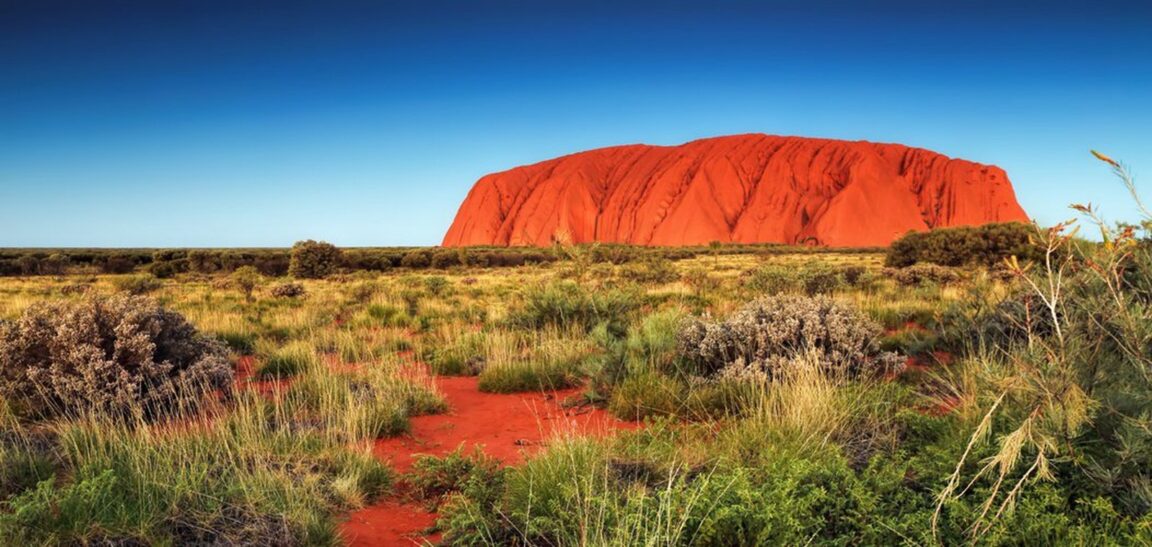
Featured image: Uluru rising from the desert plain in Uluru-Kata Tjuta National Park. Photo by Maree Clout via uluru.gov.au, the official Parks Australia park website.