 Hana Kim
Dia Beacon is worth the day trip on one condition: go on a day it is actually open. The museum, a former Nabisco box printing factory holding some of the largest minimalist and postminimalist works ever made, is open only Friday to Monday, 10 am to 5 pm, and it sits an 8 to 10 minute walk from the Beacon Metro-North station, about 80 to 90 minutes from Grand Central Terminal. Adult admission is $25. Plan the train first, give the Richard Serra Torqued Ellipses and Michael Heizer’s North, East, South, West the slow middle of the day, and save Beacon’s Main Street for the late afternoon, and the trip assembles itself.
Quick Facts
- Address: 3 Beekman Street, Beacon, New York
- Hours: Friday to Monday, 10 am to 5 pm; last admission 4:30 pm; closed Tuesday to Thursday
- Admission: $25 adults, $18 seniors 65 and over, $12 students and visitors with disabilities, $5 children ages 5 to 11, free for members, children under 5, and Beacon and Newburgh residents
- Train: Metro-North Hudson Line from Grand Central Terminal to Beacon, roughly 80 to 90 minutes, trains about hourly during museum hours
- Walk: Half a mile, 8 to 10 minutes, from Beacon station to the museum entrance
- Free day: Hudson Valley residents enter free on the last Sunday of each month
- Building: A 1929 Nabisco box printing plant with more than 34,000 square feet of skylights, on the National Register of Historic Places
- Prices checked: 18 November 2026, on the official Dia Art Foundation visit page
Why does the building matter as much as the art?
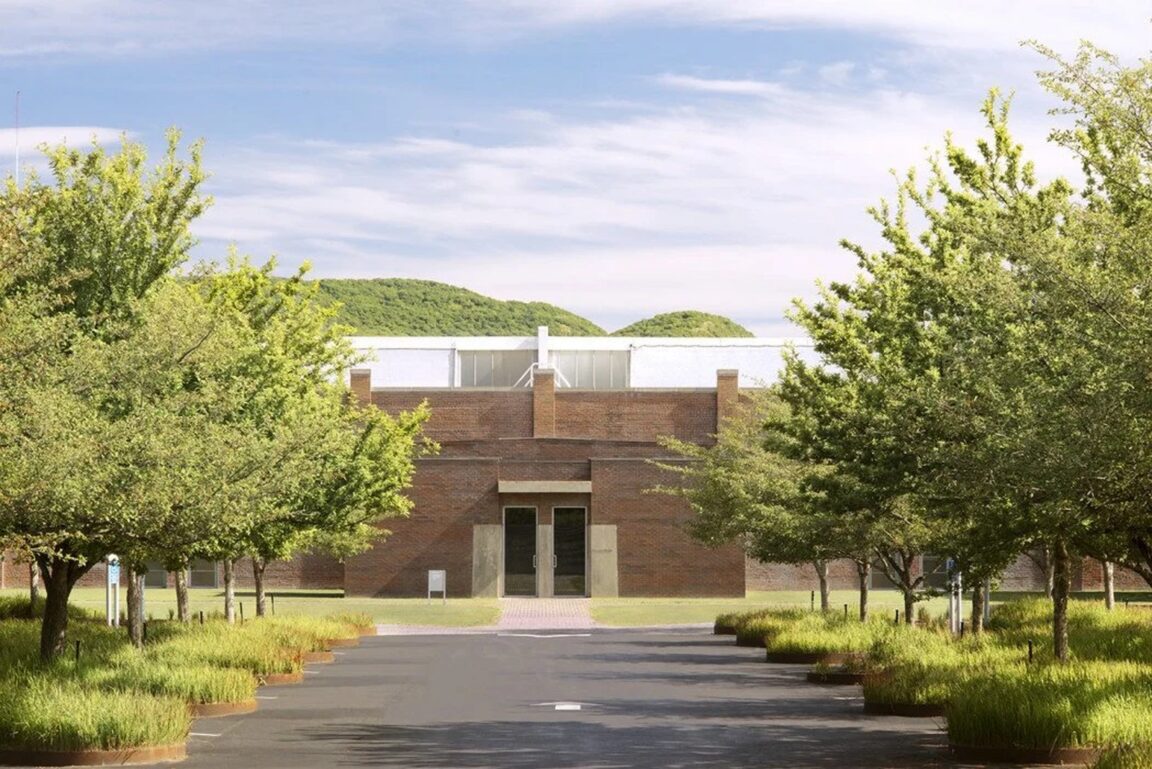
Dia Beacon opened in May 2003 in a factory built in 1929 for Nabisco, the National Biscuit Company, and the building is not a neutral container. Artist Robert Irwin conceived the master plan for the conversion, keeping the factory’s broad spans between columns and its sawtooth skylights, which pour diffuse daylight into the galleries and have made Dia Beacon known as a daylight museum. The museum presents the core of the Dia Art Foundation collection, art from the 1960s to the present, and each gallery was designed around a single artist’s work rather than around a hanging schedule. That is the whole point of the place: works that could never fit, physically or conceptually, into a Manhattan museum get a room built for them, at full scale, in natural light.
The practical consequence for a visitor is that this is a walking museum. The galleries are vast, the floors are concrete, and the distances between works are part of the experience. Wear shoes you would choose for a long city walk, not gallery shoes. The cafe, operated by Mountain Provisions, is open Friday to Monday from 9:45 am to 4:45 pm with indoor and outdoor seating, and the shop keeps museum hours, so a coffee on arrival and a pause halfway through are easy to build in.
How do the trains actually line up with a visit?
Beacon station is served by Metro-North Hudson Line trains from Grand Central Terminal and from Poughkeepsie, and Dia notes that trains run hourly in either direction during museum hours. The ride from Grand Central takes about 80 to 90 minutes, following the Hudson River for most of its length, which makes the journey part of the day rather than dead time. A morning departure that lands in Beacon shortly before 10 am puts you at the museum close to opening, when the big galleries are at their quietest and the skylight effect is strongest on a bright day.
From the station, the museum is a half mile walk, 8 to 10 minutes, on a straightforward route. The Beacon Free Loop bus also runs Monday to Saturday, linking the station with Dia Beacon, Main Street and Mount Beacon, and passengers can hail it at any Free Loop sign along the route. On busy weekends and holidays, drivers should know that on site parking is limited and Dia may direct cars to the station lot, which is the same half mile walk. The train removes that variable entirely, and it also removes the question of who drives home after a long day.
One timing trap is worth naming. Because the museum closes at 5 pm and asks visitors to arrive before 4:30 pm, a late start compresses everything. The Serra galleries alone reward an unhurried hour. If your train gets in after midday, consider flipping the day: Main Street first for lunch, then the museum in the quieter afternoon, then an early evening train back.
What should you see first inside?
Start with the works that define the building. Richard Serra’s Torqued Ellipses, made between 1996 and 2000, are monumental weatherproof steel sculptures that you do not just look at, you walk into. Torqued Ellipse II, from 1996, measures 144 by 348 by 245 inches, and the series works by tilting and twisting huge steel plates so that your sense of balance shifts as you move through the passages inside them. Give them time and walk each one twice, once slowly. The experience changes as the light moves, which is exactly what the skylights are for.
Michael Heizer’s North, East, South, West, conceived in 1967 and realized in 2002, is a set of geometric voids cut into the floor, and it asks for a different kind of attention: stillness at the edge. Dia runs a guided 20 minute walk through of the Heizer work at 9:30 am before the museum opens, on operating days, limited to six guests, with reservations required by phone or email and no photography during the walk through. Visitors under 18 cannot take part. If that work is your reason for coming, book that slot first and plan the rest of the day around it.
From there, the single artist galleries unfold at their own pace. Dan Flavin’s fluorescent light works, his monuments for V. Tatlin made between 1964 and 1990, read completely differently in daylight than in a black box gallery. Public tours run every Saturday and Sunday at 12 pm and 1:30 pm, free with admission and no reservation needed, and they are a sensible anchor for a first visit. Photography for personal use is generally allowed except where noted, but flash, tripods and filming are not, and large bags must go to the free coat and bag check because they are not permitted in the galleries.
How does Beacon itself fit into the day?
The museum put Beacon on the cultural map, and the town has grown around the day trip it created. Main Street, reached easily from the station and the Free Loop route, is where the second half of the day happens: independent shops, galleries, coffee and dinner options in a compact, walkable strip with the ridge of Mount Beacon behind it. The pairing works because the two halves contrast. The morning is scale, silence and steel; the afternoon is small storefronts and a main street at human pace.
If you are building a wider Hudson Valley trip, the gorge trails of the Finger Lakes and the wider upstate outdoors make a natural counterweight to a museum day; our guide to the Finger Lakes gorge trails covers that side of the region. And if your Beacon day falls in the cold months, the packing logic in what to pack for New York in December applies almost unchanged to a Hudson Valley platform in winter: the river wind at Beacon station is the coldest part of the day.
For art at the opposite scale, compare the approach here with Brazil’s vast open air museum in our Inhotim in depth guide: two institutions, two continents, the same conviction that some art needs a landscape, not a room.
What does the day cost, honestly?
The fixed costs are small and knowable. Admission is $25 for an adult, with the concession tiers listed in the Quick Facts, and Beacon and Newburgh residents, Dia members and children under 5 enter free. Hudson Valley residents from the 14 county area enter free on the last Sunday of each month, which is the single best value date on the calendar if you qualify. Advance reservations are suggested but not required, and Dia cannot refund or exchange tickets with less than 24 hours notice, so buy once your train plan is settled. Add the Metro-North fare for your departure time, a cafe lunch, and whatever Main Street tempts you with, and the day stays well inside the cost of a single Broadway ticket.
Frequently Asked Questions
Is Dia Beacon open every day?
No. It is open Friday to Monday, 10 am to 5 pm, and closed Tuesday to Thursday, as well as Thanksgiving Day, Christmas Eve, Christmas Day and New Year’s Day. Hours change seasonally, so check the official visit page for your date.
Do I need to book tickets in advance?
Advance reservations are suggested but not required. Groups of 10 or more must schedule their visit in advance, and the early Heizer walk through requires a reservation by phone or email.
How long does a visit take?
Plan on two to three hours inside for a first visit that includes the Serra and Heizer galleries, the Flavin rooms and a cafe stop. The full day trip from New York, trains included, runs about seven to eight hours door to door.
Can I take photographs?
Personal photography is permitted except where noted, but flash photography, filming, tripods and other large equipment are not allowed, and no photography is permitted during the Heizer walk through.
Is Dia Beacon accessible?
Yes. The museum has accessible parking, galleries and bathrooms, elevators to all levels, and wheelchairs available for visitor use without a reservation. ADA service dogs are welcome.
What is the best day to go?
Friday and Monday are the quietest operating days. The last Sunday of the month is free for Hudson Valley residents but busier. A bright morning gives the skylit galleries their full effect.
Featured image: Dia Beacon, Beacon, New York. Photo by Bill Jacobson, via the Dia Art Foundation (diaart.blog), the museum’s own official site. Facts and prices verified 18 November 2026 against diaart.org and the MTA.