 Elena Vasquez
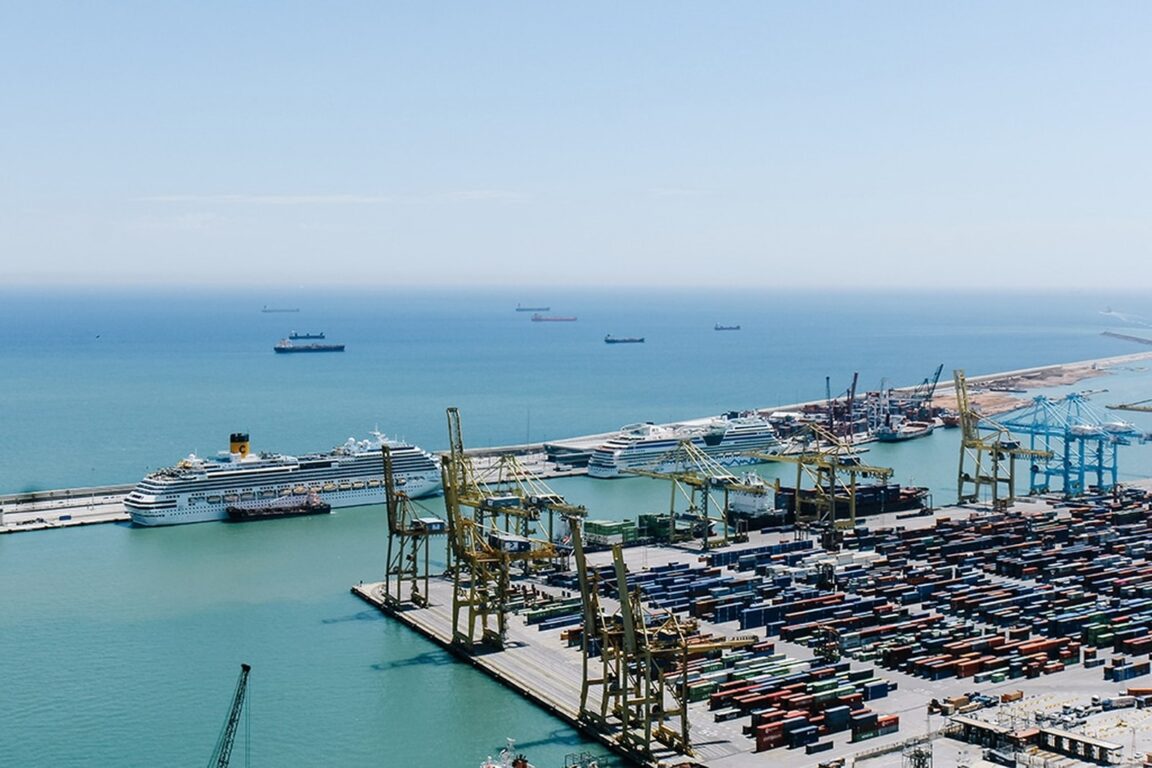
Embarkation day in Barcelona runs smoothly if you settle three things before you travel: the terminal named in your cruise line’s documents, a hotel the night before in the Eixample or Gracia rather than out by the airport, and a plan for your luggage that keeps documents, medication and a change of clothes in your carry on until the ship’s bags reappear at your cabin. Most large ships berth on the Moll Adossat, the long quay south of the old port, at terminals A, B, C, D and E, with the dedicated MSC terminal, Terminal H, at its far end. Smaller ships may use the World Trade Center South terminal, which the Port of Barcelona lists as Terminal S. The terminal in your documents is the one that matters, because the Moll Adossat terminals are a shuttle ride, not a stroll, from the city.
Quick Facts
- Main cruise quay: Moll Adossat, with terminals A, B, C, D and E, plus the MSC terminal H
- City side terminal: World Trade Center South, Terminal S, used by smaller ships
- Who assigns your terminal: Your cruise line, in your boarding documents and app, not the port
- Port shuttle: The Cruise Bus links the Moll Adossat terminals with the Columbus Monument end of La Rambla
- Night before: The Eixample or Gracia, for an easy taxi ride and a proper evening in the city
- Luggage rule: Checked bags are handed over at the terminal; keep documents, medication and embarkation night essentials with you
Which terminal will your ship actually use?
The Port of Barcelona operates one of Europe’s largest cruise complexes, and its terminals have distinct roles. Terminals A, B and C on the Moll Adossat are the port’s shared terminals, used by a rotating cast of lines. Terminal D, known as Palacruceros, and Terminal E, the Helix Cruise Center, are associated with Carnival Corporation brands. The MSC terminal at the end of the quay serves MSC Cruises ships. None of this replaces your line’s own instruction: ships change berths for operational reasons, and the letter in your boarding documents, checked again in the line’s app on the morning you sail, is the authoritative one. Build your taxi or shuttle plan around that letter, because the distance from the first Moll Adossat terminal to the last is measured in kilometres of exposed quay road.
Why does the night before belong in the Eixample or Gracia?
Arriving the day before is the cheapest insurance in cruising, since a delayed flight on embarkation morning is the classic way to watch a ship leave without you. Where you spend that night shapes the day. The Eixample, the grid of chamfered blocks around Passeig de Gracia, puts you in the middle of the city’s restaurant life with a straight taxi run south to the port. Gracia, just north, is quieter and more local in feel, with small squares and an easy metro and taxi network. Both beat an airport hotel, which strands your one Barcelona evening in a business park, and both beat the busiest stretch of La Rambla for noise. Our Barcelona coverage for solo travellers, Barcelona for solo men, maps several of the same neighbourhood trade offs. Eat early, sleep properly, and treat embarkation morning as a travel day, not a sightseeing day.
How do you get from hotel to terminal, and from ship to airport?
From a central hotel, a taxi is the simplest route to the Moll Adossat: official taxis run from ranks and hotel doors across the centre, cross the port bridge and drop you at your terminal’s entrance. The Cruise Bus is the budget alternative, shuttling between the World Trade Center area at the foot of La Rambla and the Moll Adossat terminals; check the Port of Barcelona site for current fares and operating hours before relying on it with heavy luggage. On disembarkation morning the pattern reverses. If your flight is early, the line’s own airport transfer or a pre booked taxi from the terminal rank removes the shuttle change from the chain. If your flight is late, luggage storage in the centre turns a dead morning into a final walk and lunch. Travellers used to fly cruise logistics in colder water will find the same principles in our Alaska cruise shoulder season packing guide: the bag you carry on is the bag that saves the day.
What should happen to your luggage, step by step?
At the terminal, porters and line staff take your tagged checked bags before you enter the check in hall, and those bags are delivered to cabins through the afternoon and evening. That system is why the carry on rule matters. Your hand luggage should hold passports and boarding documents, medication, chargers, swimwear if you want the pool deck on day one, and everything you need until dinner. Photograph your bag tags, keep the claim stubs, and put a name and cabin number inside each case as well as on it. In the hall itself the sequence is security screening, check in and document control, then boarding by the group or time slot your line assigns. Arrive inside your assigned window rather than at the first possible moment: Barcelona’s big terminals process thousands of passengers, and the assigned windows are what keep the hall moving.
What goes wrong most often on Barcelona embarkation day?
Four mistakes repeat. Going to the wrong terminal, usually by telling a taxi driver the ship’s name instead of the terminal letter. Cutting the flight connection too fine on sailing day. Packing medication or documents in a checked bag that will not reappear until evening. And underestimating the quay itself: the Moll Adossat is long, exposed and not a walk anyone should attempt with luggage in summer heat. All four are solved the day before, on paper, in about ten minutes.
How early should you be at the terminal on the day?
Work backwards from your line’s final boarding time, not from the ship’s sailing time, because the two can differ by well over an hour on a large turnaround day. Aim to be inside the terminal inside your assigned check in window, with the taxi or shuttle leg and the port bridge crossing already behind you. Barcelona traffic on a Saturday turnaround morning, when several large ships exchange passengers at once, is the variable to respect: a journey that took twenty minutes on a quiet weekday can stretch considerably. If you are travelling with children, elderly relatives or anyone for whom queues are hard, say so at the terminal entrance, where staff routinely route families and passengers needing assistance through calmer lines. None of this is dramatic. It is simply a morning that rewards being early, fed and unhurried.
Frequently asked questions
How early should you arrive in Barcelona before a cruise?
The day before, as a minimum. A same day arrival leaves no slack for a delayed flight, and ships do not wait for late passengers who booked their own travel.
Can you walk from La Rambla to the Moll Adossat terminals?
It is not a sensible walk with luggage. The terminals sit along a long port quay reached over the port bridge. Use the Cruise Bus or a taxi.
Where do you find your terminal?
In your cruise line’s boarding documents and app. Check again on embarkation morning, because berth assignments can change for operational reasons.
What should stay in your carry on bag?
Passports and documents, medication, chargers, valuables, a change of clothes and anything you want for the first afternoon and evening on board.
What is the easiest way back to the airport after disembarkation?
For an early flight, a taxi from the terminal rank or the line’s transfer. For a later flight, store bags in the centre and take the airport transport when you are ready.
Image credit: Cruise ships berthed at the Port of Barcelona, photo by Kristijan Arsov via Unsplash, unsplash.com.