 Lucas Meyer
Pack for an Alaska cruise in May or September and the suitcase logic inverts: instead of one warm coat, you need a system. Holland America Line, which has sailed Alaska for decades, puts layers at the centre of its official packing guidance, because a shoulder season day can start cold and wet at a glacier, turn mild in port by lunch and finish with wind on deck after dinner. Build the bag around a waterproof outer shell, an insulating mid layer and moisture managing base layers, add genuinely waterproof shoes for rain soaked port days, and solve the formal night with one smart outfit that earns its space rather than a second suitcase of occasion wear.
Quick Facts
- The system: Layers, not bulk. A waterproof hooded shell over a fleece or light puffer, over merino or synthetic base layers, handles almost every shoulder season day.
- Temperatures: Holland America puts Southeast Alaska summer highs usually between 50 and 60 degrees Fahrenheit, sometimes reaching the 70s and 80s, and shoulder season sits at the cooler end of that range.
- Glacier day kit: Warm hat, gloves and a scarf or neck gaiter for open deck glacier viewing, plus binoculars for wildlife and ice detail.
- Shoes: Sturdy, waterproof walking shoes for wet boardwalks, gravel and slick decks; Holland America suggests two pairs of walking shoes so one can dry.
- Evenings: Most nights are smart casual. Dressy nights call for a jacket and tie for gentlemen and a cocktail dress or gown for ladies on Holland America, with smart casual accepted as the relaxed alternative.
- Leave behind: Bulky winter weight sweaters and jackets, and long underwear as a daily default; outfitters in Alaska often provide specialty gear such as glacier boots and waterproof kit for excursions.
- Laundry: Laundry, dry cleaning and pressing services are available on Holland America ships, which is what makes a repeatable capsule wardrobe work.
Why does shoulder season change the packing list?
May and September bracket the Alaska season, and both ends run colder and wetter than the July peak that most packing advice is written for. Royal Caribbean’s month by month guidance makes the same point from the other direction: pack thicker thermal layers for May sailings and insulated outerwear again for cooler September departures, with the lighter kit reserved for mid summer. The ports underline it. Southeast Alaska is temperate rainforest country, so a port day in Ketchikan or Juneau can mean steady rain at temperatures in the low 50s, while a scenic cruising day near a tidewater glacier adds wind chill that the thermometer alone understates. Packing for the average day fails; packing for the range works.
The second shoulder season factor is light and timing. Early May and late September days are shorter than the near endless June evenings, excursions run in cooler morning air, and deck time at the glacier tends to happen in the coldest part of the sailing day. None of that requires expedition gear. It requires that the warm pieces you bring are the ones that layer cleanly, dry fast and can be worn three ways, which is exactly the discipline the rest of this list follows. For a colder water comparison, the layering logic in combining cruise and trek packing for Patagonia applies the same system thinking at the other end of the Americas.
How should the three layers actually work?
Start with the base. Long sleeved tops in merino wool or synthetic fabric move moisture away from the skin and stay warm when damp; cotton does the opposite and stays cold once wet, so cotton T shirts belong in the onboard pile, not the excursion pile. Two or three base tops and one set of light thermal leggings cover a week, because they rinse and dry overnight in the cabin. Add long sleeved shirts or light sweaters for town days, and jeans or hiking trousers that can take a rain shell over the top.
The mid layer traps the warmth. Holland America’s guidance pairs a waterproof jacket with a fleece or puffer vest underneath and calls that combination sufficient for most days, which is the right instinct: one fleece jacket or pullover plus a packable insulated layer gives you two warmth settings instead of one heavy coat’s single setting. The outer layer is where cruisers most often underbuy. The line is explicit that the jacket should be waterproof, not merely water resistant, with a hood, sized to fit over the fleece. Add waterproof trousers if your excursions involve hiking, kayaking or small boat wildlife trips, where spray and rain arrive from below as well as above.
What belongs in the daypack on glacier day?
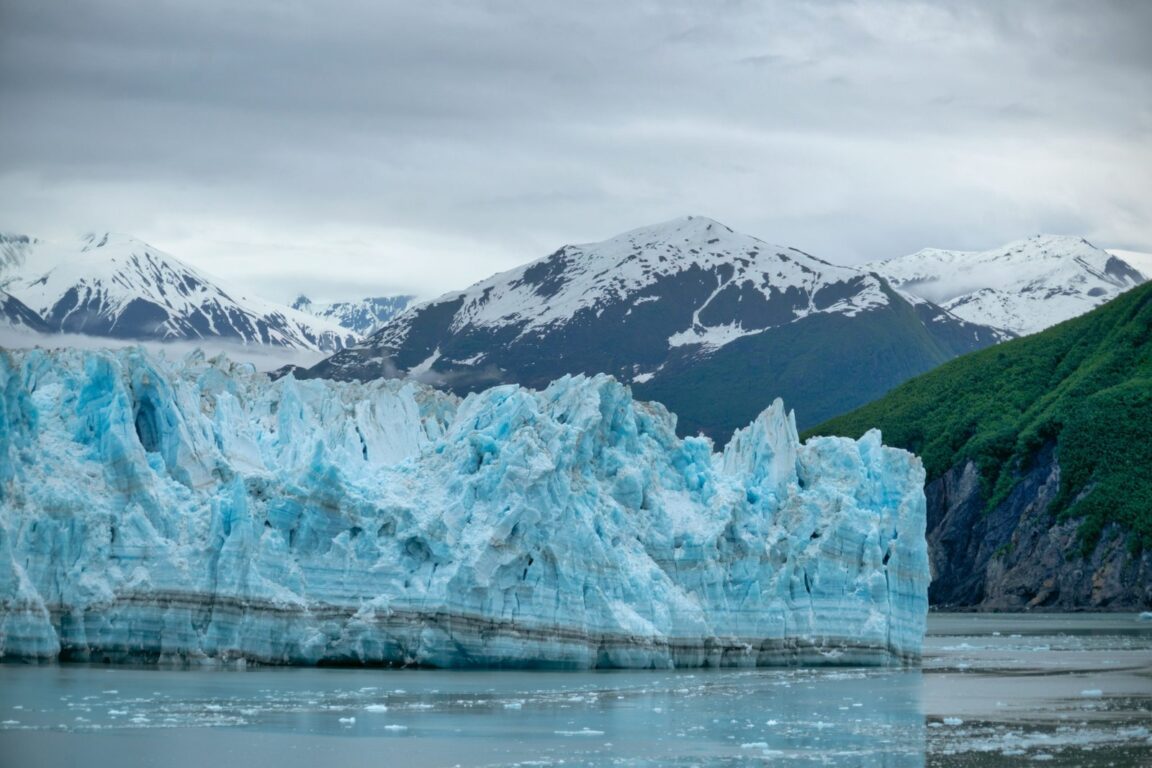
Glacier viewing happens on open deck, standing still, in air cooled by the ice itself, and it is the coldest hour of most itineraries. Pack the warm hat, gloves and scarf or gaiter where you can reach them without returning to the cabin, because ships hold position at the ice face and the viewing does not pause. Binoculars earn their weight here and everywhere else: Holland America lists them among its do not forget items for wildlife, birds and glacier viewing, and Royal Caribbean calls compact binoculars essential for glacier viewing and wildlife. Sunglasses and sunscreen belong in the same bag. Light reflects off water and ice, and both cruise lines flag sun protection as a genuine Alaska need rather than a Caribbean leftover.
Which shoes survive a rain port day?
Port days in Southeast Alaska are walking days on wet surfaces: boardwalks in Ketchikan, gravel paths at Mendenhall Glacier, damp gangways and excursion boat decks. The answer is one pair of waterproof walking or hiking shoes with real tread, broken in before the trip, worn as the default shore shoe. Holland America suggests two pairs of sturdy walking shoes, which in practice means the waterproof pair plus a lighter dry pair for onboard and dry days, so a soaked pair never has to be worn twice running. Dress shoes shrink to one pair that works with the formal outfit and smart casual trousers alike.
Skip the rain boots. Holland America lists rain boots and long underwear among items you will probably not need, because excursion outfitters in Alaska often provide specialty gear for their activities, including glacier boots, waterproof gear and life vests for rafting or kayaking. Check your excursion description before duplicating anything bulky: if the operator supplies the boots and the waterproofs, your suitcase space is better spent on the layers you will wear every day. The same restraint drives the packing in packing for a liveaboard dive week, where operator supplied kit decides what stays home.
How do you solve the formal night without overpacking?
The compromise is one outfit, chosen to work twice. On Holland America, evening dress splits into smart casual for most evenings, meaning slacks with a sports shirt or sweater for men and a skirt or trousers with a sweater or blouse for women, and dressy nights, when guests dress for a special occasion dinner and a jacket and tie are appropriate for gentlemen while ladies wear a cocktail dress or gown. The line also notes that smart casual works if you would rather keep things relaxed, which is the pressure valve: nobody needs a full formal wardrobe for one or two evenings.
Build it as separates. A sport coat or blazer over the smartest pair of trousers already in the bag, a collared shirt, and the one pair of dress shoes covers a dressy night for most men, and a dark suit is the step up Holland America names for dinner onboard. For women, one cocktail length dress or a polished pantsuit with an accessory change does the same work. Wrinkle management is solved by the ship: pressing services are available onboard, so pack the outfit folded once and have it pressed rather than bringing a travel steamer and a garment bag. Note the dining room floor as well as the ceiling: shorts, flip flops, swimwear, distressed jeans and men’s tank tops are not permitted in Holland America’s table service restaurants, so the casual end of the bag still needs one presentable dinner outfit beyond the formal one.
What do first timers most often forget?
The unglamorous list decides comfort. A waterproof phone case or dry pouch for small boat excursions. Seasickness medication, which Royal Caribbean includes among its helpful extras, packed before boarding rather than bought at sea. A reusable water bottle and a daypack that is itself water resistant, so the layers you shed at midday stay dry. Prescriptions and a spare pair of glasses, which Holland America flags specifically because replacement in small ports is slow. And a sleep eye mask still earns a corner in May, when northern light lingers late, even if September travellers will barely need it.
Frequently Asked Questions
Is a heavy winter coat necessary for a May or September Alaska cruise?
No. Holland America lists bulky winter weight jackets among items you probably will not need. A waterproof hooded shell over a fleece or puffer, with a warm hat and gloves, covers glacier viewing and port days, and it adjusts across the day in a way one heavy coat cannot.
What temperatures should I actually pack for?
Holland America puts Southeast Alaska summer highs usually between 50 and 60 degrees Fahrenheit, sometimes warmer, and shoulder season runs at the cool end of that band with colder wind at the glaciers. Pack for the 40s to low 60s and layer for movement between them.
Do I have to dress formally on dressy nights?
Dressy nights on Holland America suit a jacket and tie for gentlemen and a cocktail dress or gown for ladies, but the line confirms smart casual also works for guests who prefer to keep evenings relaxed. One well chosen outfit is enough; a formal wardrobe is not required.
Should I bring my own boots for glacier and rafting excursions?
Usually not. Holland America notes that outfitters in Alaska often provide specialty gear for their activities, including glacier boots, waterproof gear, boots and life vests for rafting or kayaking. Confirm on your excursion booking, then leave the duplicates at home.
Are binoculars really worth the space?
Yes. Both Holland America and Royal Caribbean list binoculars as essentials, for glacier detail, whales, bears and birds that are almost always farther away than they appear. One pair per person, in the daypack rather than the suitcase, is the shoulder season standard.
Sources: Holland America Line, What to Pack for an Alaska Cruise; Royal Caribbean, Alaska Cruise Packing List. Checked 22 November 2026.