 Rafael Santos
Most Buenos Aires advice circulating online was written for a different economy. The blue dollar era, when travellers were told to arrive with bricks of cash and hunt unofficial exchange desks, has largely ended as the gap between official and parallel rates narrowed sharply, and clinging to that old script now costs money and invites risk. Add a transport card system that has gone partly contactless and a dinner hour that starts when many visitors are thinking about bed, and the city’s real mistakes list looks quite different from the one in your search results.
Quick Facts
Money: Foreign Visa and Mastercard payments are charged at a rate close to the market rate, and cards are widely accepted in restaurants, shops and taxis. Carry some pesos for small purchases, kiosks and tips.
Transport card: The SUBE card works across the Subte underground, buses and trains. Buy and top it up at Subte stations, kiosks and lottery shops. Contactless bank card and phone payment has been introduced on the Subte, but buses still require SUBE.
Dinner hour: Restaurants open for dinner around 20:00, fill from about 21:30 and peak after 22:00. A 19:00 dinner is a lonely one.
The bridge snack: The merienda, coffee and medialunas around 17:00 to 18:00, is how the city spans the gap between lunch and its late dinner.
Cover charge: Most full service restaurants add a small per person cubierto charge for bread and table service. It is normal, not a scam.
Mistake One: Chasing the Blue Dollar
The old advice had a logic: when the parallel rate doubled the official one, exchanging cash informally was worth the friction. That arithmetic collapsed as the rates converged, and foreign cards now settle at a rate close to the market rate, which removes the reason to carry large amounts of cash or visit an unofficial cambio. The current sensible system is boring, which is the point: tap a card for almost everything, withdraw or exchange a modest amount of pesos for the small economy of kiosks, bakeries and tips, and ignore anyone offering a spectacular street rate, because a spectacular rate in a converged market is a warning sign, not an opportunity. Travellers who built their trip around the old system also tended to overpay in a second way, by assuming Buenos Aires was nearly free. It is good value by North American and European standards, but it is a capital city with capital prices in its fashionable districts, and budgeting honestly produces a better trip than budgeting hopefully.
Mistake Two: Fighting the Transport System
Buenos Aires rewards the traveller who sorts transport on day one. The SUBE card is the key: one rechargeable card for the Subte underground, the colectivo buses and suburban trains, bought at stations and kiosks and topped up as you go. The Subte is the fastest way across the centre by day, with six lines covering the districts visitors use most. The buses go everywhere the Subte does not, run through the night in a way the underground does not, and require the small ritual of telling the driver your destination so the correct fare band is charged to the card. Contactless payment with bank cards and phones has arrived on the Subte, which helps on a first day before you have found a SUBE, but it does not replace the card, because the bus network still runs on SUBE alone. The mistakes are predictable: arriving at a bus stop with no card and no way to pay, since drivers do not sell tickets or take cash; planning a late cross town journey around the Subte after it has closed; and taking street taxis for journeys the underground does in half the time at a fraction of the price. Ride hailing apps and radio taxis handle the night and luggage cases well, and a booked car remains the sane answer to and from the airport with bags.
Mistake Three: Eating on the Wrong Clock
No mistake is more visible than the 19:00 dinner. Buenos Aires runs about ninety minutes behind the schedule most visitors bring with them: lunch from 13:00 to 15:00, the merienda bridge of coffee and medialunas in the early evening, and dinner service that opens around 20:00, fills near 21:30 and peaks past 22:00. Arrive at a parrilla at seven and you will eat alone among staff finishing their own meals; arrive at ten and the same room is the one you travelled for. The fix is structural, not heroic: shift lunch later, embrace the merienda, nap if you need to, and book popular parrillas for 21:30 or later. The same clock governs the city’s social life, from theatre start times to bars that fill after midnight, and travellers who fight it spend three days tired and faintly disappointed, while travellers who adopt it discover the city that porteños actually live in. A related table mistake is misreading the bill: the cubierto is a standard small cover charge, service is not fully included, and a tip of around ten percent in cash is the local norm even when you pay the bill by card.
Mistake Four: One Neighbourhood, Whole Trip
Buenos Aires is a city of distinct barrios, and visitors who never leave one district, usually Palermo or Recoleta, miss its range. San Telmo’s Sunday market and antique shops, La Boca’s painted Caminito and football religion, Puerto Madero’s dockside modernity, Belgrano’s leafy calm and the working streets of Once and Balvanera each show a different city. The Subte and SUBE make district hopping cheap, so build days around barrios rather than individual sights. Pair the wandering with the same district first thinking we use in our Pondicherry food guide, where the quarter explains the plate, and with the arrival logistics mindset of our New York rental registry explainer: in both cities, the system underneath the sights decides how the trip feels.
Mistake Five: Importing Yesterday’s Safety Script
Old advice also lingers on safety, in both directions. Buenos Aires is a big city with big city property crime, and the durable rules are specific rather than dramatic: keep phones off cafe tables and out of your hand on busy pavements, since snatch theft targets exactly that; use radio taxis or ride hailing at night rather than flagging cars in quiet streets; and walk on if a stranger points out a mysterious stain on your clothing and offers to help clean it, because the stain and the kindness are one well rehearsed distraction. Equally, do not let the warnings talk you out of the city: the central and northern barrios visitors use are walked by families late into the evening, restaurants fill with neighbourhood life, and the correct posture is the alert ease you would bring to any major capital. The travellers who get into trouble are usually those running an outdated script, either the fearful one that avoids the Subte and the evening street entirely, or the careless one written when a different city existed.
Mistake Six: Treating Spanish as Optional
Buenos Aires runs in Spanish, warmly but firmly. Hotel staff and fashionable restaurants will have English, but taxi drivers, bus logic, market stalls, neighbourhood cafes and every interesting detour run on Spanish, and a traveller with none is confined to the city’s translated surface. The fix is proportionate: learn the transport and table vocabulary, download offline translation before you need it, and attempt the language first in every exchange. Porteños respond generously to effort, and the attempt itself changes the quality of help you receive, from the kiosk keeper who draws your bus route to the waiter who steers you off the tourist cut of beef toward what the room is actually eating. On a short trip this is the highest return investment available, larger than any restaurant booking.
Frequently Asked Questions
Do I still need cash for the blue dollar rate in Buenos Aires? No. The gap between official and parallel rates has narrowed sharply and foreign cards settle close to the market rate. Use cards widely and carry a modest amount of pesos for small purchases and tips.
What is the SUBE card and where do I get one? SUBE is the rechargeable transport card for the Subte, buses and trains. Buy and top it up at Subte stations, kiosks and lottery shops. Buses accept SUBE only, so get the card on day one.
What time do people eat dinner in Buenos Aires? Restaurants open around 20:00, fill from about 21:30 and peak after 22:00. Use the merienda, a late afternoon coffee and pastry, to bridge the gap.
What is the cubierto on my bill? A small standard cover charge per person for bread and table service at full service restaurants. It is normal practice, and a cash tip of around ten percent is still customary on top.
Is the Subte contactless now? Contactless bank card and phone payment has been introduced on the Subte, but the bus network still requires a SUBE card, so contactless does not replace it.
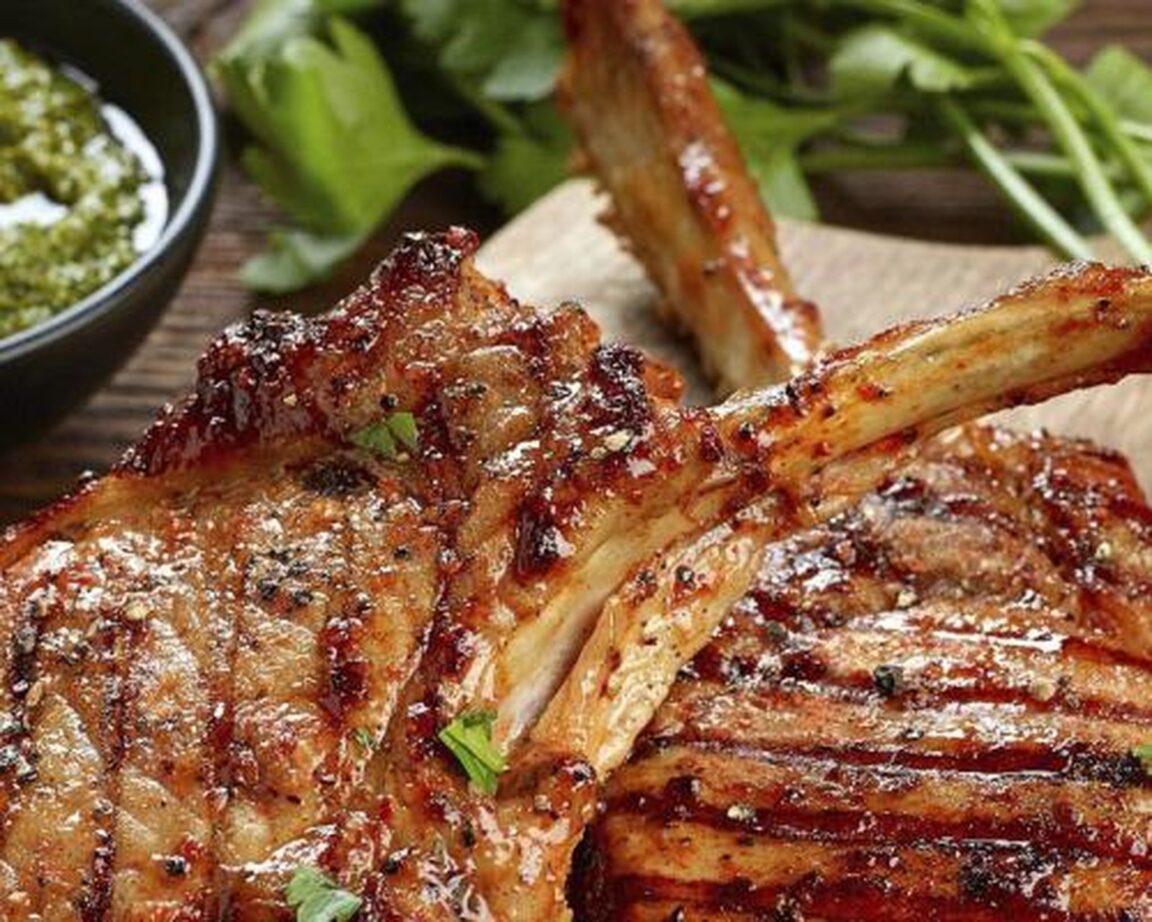
Image credit: Grilled meat with chimichurri, the centrepiece of the Buenos Aires parrilla table, from the City of Buenos Aires official website (turismo.buenosaires.gob.ar), Government of the City of Buenos Aires.