 Aiko Tanaka
Modern Irish cooking in Dublin is a short map with a clear summit: Chapter One, the two Michelin star restaurant on Parnell Square, sets the standard the rest of the city is measured against, the seafood bars of Howth, the fishing village at the end of the DART line, supply the city’s great day out, and a generation of bakeries has revived soda bread and proper Irish baking from a tea-time afterthought into a craft. Eat in that order of ambition across a few days: one tasting menu dinner booked well ahead, one Howth seafood lunch taken at the harbour where the boats land, and mornings that start at a bakery counter rather than a hotel buffet.
Quick Facts
The standard: Chapter One, Parnell Square, holder of two Michelin stars, the benchmark for modern Irish fine dining
The day trip: Howth, about 30 minutes by DART from the city centre, for harbour-side seafood at the working pier
The revival: soda bread and Irish wheaten baked properly again by the city’s craft bakeries, alongside sourdough
Booking rule: the tasting menu institutions take reservations weeks out for weekend dinners; the seafood bars reward early lunches
The pantry: Irish butter, farmhouse cheese, oysters and salmon are the ingredients the new cooking is built on
Budget shape: one splurge dinner, then mid-range seafood and bakery mornings keep the trip sane
Chapter One and the Tasting Menu Institutions
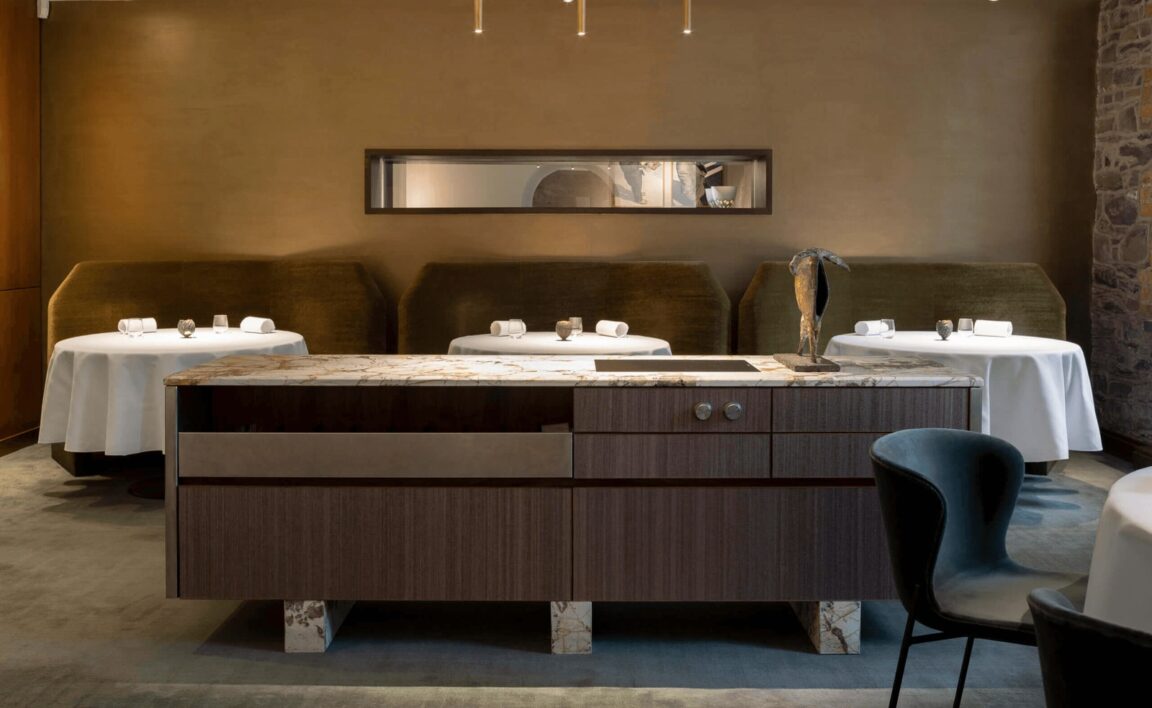
Chapter One sits in the basement of the Dublin Writers Museum building on Parnell Square, on the north side of the Liffey, and it has defined what Irish ingredients can do at the highest level for a generation. Under chef Ross Lewis the restaurant built its reputation on a particular Irish luxury: local produce, much of it from small farms and the day boats, treated with classical technique and none of the heaviness that once defined celebration cooking in Ireland. The restaurant holds two Michelin stars, confirmed in its own current billing, and the tasting menu is the format to book: a procession of courses in which Irish lamb, game in season, shellfish and farm vegetables arrive in forms that are recognisably Irish and entirely modern.
Practicalities decide whether you eat there at all. Weekend dinners book out well in advance, lunch is the softer door into the same kitchen, and the restaurant’s own site carries the current menus, prices and booking, which are the only figures worth trusting. Dress is smart without ceremony, service is warm in the Dublin manner, and the room’s low, vaulted calm suits the food. Set one evening of a Dublin trip aside for it and build the rest of the eating around it at lower cost.
Chapter One is the summit, not the whole range. Dublin’s modern Irish tier includes a small set of ambitious rooms where tasting menus run on the same principles at lower prices and with easier tables: chef-led counters and dining rooms in the city centre and the southside neighbourhoods, working through Irish beef, pork, root vegetables and sea produce with pickling, fermenting and turf-smoke touches borrowed from the new Nordic pantry and naturalised. The pattern to follow is consistent across them: short menus, named farms, bread taken seriously, and a cheese course that treats Irish farmhouse cheese as a headline rather than an afterthought. Book the one that fits the budget, and let Chapter One stand as the reference point that explains what the others are aiming at.
Howth: The Seafood Day
Howth is Dublin’s seafood lung: a working fishing harbour on a headland at the northern edge of Dublin Bay, reached by DART trains from the city centre in about half an hour, and the correct way to eat fish in the capital. The West Pier is the address. Fishing boats land along it, fishmongers sell the catch within sight of the trawlers, and the seafood restaurants and bars line the harbour front, serving the day in the order it came off the boats: oysters, Dublin Bay prawns when they are running, crab, hake, and fish and chips eaten on the pier wall as the harbour’s first, cheapest and often best course.
The rhythm of a Howth day matters. Arrive late morning, walk the East Pier to the lighthouse for the appetite and the views back across the bay, then eat lunch early, before the weekend crowds fill the harbour-front rooms; the kitchens are at their best in the first service, and the fish is the same fish all day. After lunch, the cliff path loop around the headland, a waymarked walk of a couple of hours in its full form, earns the train ride home, with the Baily Lighthouse below the path and Ireland’s Eye island offshore. Seal watching at the harbour, where the resident seals work the fishing boats for scraps, fills the gaps for free.
Howth also solves a Dublin problem: the city centre’s seafood is good but priced for occasion, while Howth’s harbour bars serve the same bay’s produce at local prices in rooms full of Dubliners on their day off. It is the lunch to plan a trip around, and it pairs with the literary city rather than competing with it; the pubs walked in our guide to Dublin’s literary pubs in one evening are the nightcap, and our earlier Dublin literary pub crawl supplies the Joyce-heavy alternative route.
The Soda Bread Revival
The quietest part of the new Irish table is the bread. Soda bread, the quick loaf leavened with bicarbonate of soda and buttermilk, white or brown with wholemeal and bran, was for decades the bread Ireland apologised for: dense, worthy, sliced thin at tea. The revival changed the hands making it. Dublin’s craft bakeries now treat soda bread and its wheaten cousins with the same seriousness they give sourdough: proper buttermilk, stone-milled Irish flour, a light hand with the mixing, because soda dough turns tough when worked, and a baked crust with real character. The result at its best is a loaf with a tender crumb, a gentle tang and a keeping quality that makes it the correct bread for Irish butter, smoked salmon and a pot of tea.
Eat it where the revival is visible: at the bakery counters that anchor Dublin mornings, where the queues mix sourdough loyalists with older customers buying the brown soda loaf their grandmothers made, and on the bread courses of the tasting menu rooms, where a slice of house soda bread with cultured Irish butter now opens serious dinners as a statement of intent. Buy a loaf on the last morning; it travels, it freezes, and it is the most honest souvenir the city sells. Between the summit of Chapter One, the pier at Howth and a warm soda loaf, the modern Irish table explains itself: an old pantry, new technique, and no apology left in it.
Frequently Asked Questions
How far ahead should I book Chapter One?
Weeks ahead for weekend dinners, through the restaurant’s own site. Lunch is usually the easier reservation into the same kitchen, and cancellations do appear, so check back.
How do I get to Howth, and when should I go?
By DART from the city centre stations, about 30 minutes to the harbour station. Arrive late morning, walk the East Pier, and eat lunch early to beat the weekend peak.
What seafood should I order in Howth?
Whatever landed that morning: oysters, Dublin Bay prawns in season, crab and hake are the harbour’s signatures, and the fish and chips on the pier is a legitimate first course.
What makes the new soda bread different?
Ingredients and handling: real buttermilk, stone-milled Irish flour and minimal mixing, baked by craft bakeries that treat the loaf as a product worth perfecting rather than a filler.
Can I eat modern Irish food on a mid-range budget?
Yes. Book one tasting menu lunch rather than dinner, eat seafood at Howth’s harbour bars instead of city centre rooms, and let bakery breakfasts carry the mornings.
What is the one food souvenir to bring home?
A brown soda loaf from a craft bakery, bought on the last morning. It travels well for a day and freezes properly at home.
Image: The dining room at Chapter One restaurant, Parnell Square, Dublin. Photo: Chapter One, via the restaurant’s official website (chapteronerestaurant.com).