 Omar Haddad
The Grand Egyptian Museum at Giza now runs on booked time slots, and from 1 December its tickets are sold online only, so the single most useful thing a visitor can do is reserve before travelling rather than expect a ticket desk on arrival. The museum’s own rules are simpler than the rumours around them. The timed entry slot on your ticket governs when you go in, not how long you can stay. The standard ticket already includes the Tutankhamun Galleries, along with the Main Galleries, the Grand Hall, the Grand Stairs and Khufu’s Boats Museum, so there is no second ticket to buy for the boy king’s treasures. Galleries open from 9 a.m. to 6 p.m., staying open until 9 p.m. on Wednesdays and Saturdays, with last entry one hour before closing. This guide explains how the booking works, what the standard ticket covers, and how to pair the museum with the Giza plateau without short-changing either.
Quick Facts
- Booking: Online only from 1 December, through the museum’s official ticketing site; no reliance on buying at the door
- Entry system: Timed entry slots; the slot sets your arrival window, not the length of your visit
- Included in the standard ticket: The Tutankhamun Galleries, Main Galleries, Grand Hall, Grand Stairs and Khufu’s Boats Museum
- Gallery hours: 9 a.m. to 6 p.m., extended to 9 p.m. on Wednesdays and Saturdays
- Last entry: One hour before closing
- Setting: On the Giza plateau edge, close to the pyramids, so a same day pairing is possible but demanding
How does timed entry actually work?
When you book, you choose a date and an entry slot. That slot is the museum’s crowd control mechanism: it spreads arrivals across the day in a building that holds the largest collection devoted to a single civilisation anywhere in the world. What it does not do is start a countdown. The museum’s own guidance is that the timed slot governs entry and not the length of stay, so a visitor who enters on a morning slot can remain in the galleries until closing, and there is no re-entry routine to plan around or a coloured wristband clock to watch. The practical consequence is that earlier slots are worth more than they first appear: they buy the option of a long visit, including a break in the museum’s cafes and a slower second pass through the galleries that matter most to you, while a late slot compresses everything against the last entry and closing times.
Because booking from 1 December is online only, the booking step belongs in trip planning, alongside flights and hotels, rather than in the taxi on the way to Giza. Book on the museum’s official ticketing site and nowhere else, keep the confirmation somewhere you can reach it without a data connection, and treat sold out peak slots as a real possibility in the busiest weeks. The museum is the headline opening of the decade for Egypt, and demand at the Tutankhamun Galleries in particular is not a problem that turning up early at a closed ticket desk will solve.
Does Tutankhamun need a separate ticket?
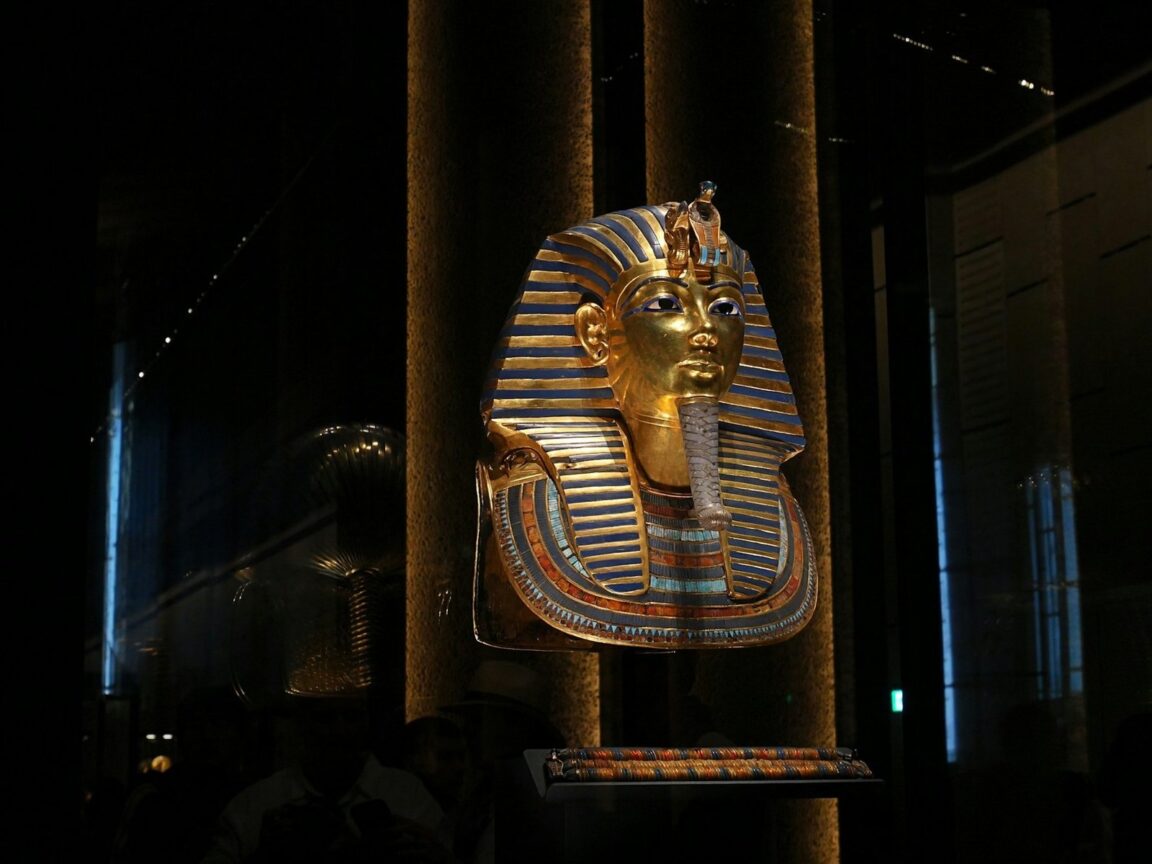
No, and this is the point visitors most often get wrong. The standard ticket includes the Tutankhamun Galleries, the complete display of the treasures from the boy king’s tomb, presented together in a way the old Egyptian Museum in Tahrir Square never had the space to attempt. The same standard ticket also covers the Main Galleries, the Grand Hall, the Grand Stairs, the monumental staircase sequence that works as an introduction to the collection, and Khufu’s Boats Museum, home to the pharaoh’s solar boat. When you see add-ons discussed, they concern extras such as guided tours or special experiences, not access to Tutankhamun. Budget and plan on the basis that one standard ticket, booked for one timed slot, opens the whole permanent museum.
How long does a visit take, and how should the day be sequenced?
The honest answer is that the museum rewards more time than most first itineraries give it. The Main Galleries alone are arranged as a chronological sweep of three thousand years, and the Tutankhamun Galleries deserve an unhurried pass rather than a queue shuffle past the gold mask. A half day is a sensible minimum, and the timed entry rules help: because your slot does not limit your stay, a morning entry followed by a long, self-paced visit is the strongest pattern. On Wednesdays and Saturdays the galleries stay open until 9 p.m., which opens a second pattern, an afternoon entry and an evening in the museum after the plateau heat has gone, with last entry at 8 p.m. on those days. On standard days last entry is 5 p.m., one hour before the 6 p.m. close, and arriving at the last entry moment leaves too little time for what the ticket includes.
Sequence within the building matters too. Many visitors head straight for Tutankhamun; an alternative is to climb the Grand Stairs first, using its statues as a timeline, walk the Main Galleries in chronological order, and finish with the Tutankhamun Galleries once the first rush of each entry slot has dispersed. However you order it, build the plan around the ticket you actually hold: everything named above is inside the standard admission, so the sequencing question is about crowds and energy, not about what you are allowed to see. Museum days in Egypt pair naturally with a slower evening, and our roundup of Cairo mistakes to avoid covers the bazaar and Giza errors that most often eat the time a museum day saves.
Can you pair the museum with the pyramids on the same day?
Geography says yes: the museum stands on the Giza plateau’s edge, minutes from the pyramids it faces. Time and stamina give a more qualified answer. A workable pairing puts the plateau first, in the cooler early hours, and the museum second on a late morning or afternoon slot, moving indoors as the heat builds; the reverse order risks arriving at the pyramids in the full midday sun after hours on gallery floors. Splitting them across two days is better still if your Cairo stay allows it, giving the museum the half day it deserves and the plateau a fresh morning. Travellers who enjoy planning museum visits in this kind of detail will find the same approach in our British Museum visitor route, which sequences another giant collection around its fullest galleries. Whichever pattern you choose, book the museum slot first and fit the plateau around it, because the slot is the one fixed point in the day that cannot be improvised on arrival.
Frequently Asked Questions
Do I need to book Grand Egyptian Museum tickets in advance?
Yes. From 1 December the museum sells tickets online only through its official ticketing site, with timed entry slots. Booking ahead is the rule, not a precaution.
Does the timed entry slot limit how long I can stay?
No. The slot governs when you enter, not the length of your visit. Once inside on your slot, you can stay until closing time.
Is Tutankhamun included in the standard ticket?
Yes. The standard ticket includes the Tutankhamun Galleries, the Main Galleries, the Grand Hall, the Grand Stairs and Khufu’s Boats Museum.
What are the Grand Egyptian Museum opening hours?
The galleries open from 9 a.m. to 6 p.m., and until 9 p.m. on Wednesdays and Saturdays. Last entry is one hour before closing.
How far ahead should I book?
As soon as your Cairo dates are fixed. Slots are capacity controlled, booking is online only, and peak season dates for the most popular entry times can sell out.
Can I visit the museum and the Giza pyramids in one day?
Yes, they stand minutes apart on the Giza plateau. The workable order is the pyramids in the cool early morning and the museum on a later timed slot, though two separate days do both more justice.
Image credit: The gold funerary mask of Tutankhamun in the Grand Egyptian Museum. Photo by Suzi Kim, via Unsplash, Unsplash License. Ticketing rules and hours checked against the museum on 25 November 2026.