 Kwame Mensah
Madrid is one of Europe’s easiest capitals to travel alone as a man, because its social life runs through public counters rather than private tables. The solo system works like this: anchor the trip with the football, either a match ticket bought through the club’s official channels or the stadium tour on a non-match day, eat lunch standing or perched at a bar counter where a lone diner is the most normal sight in the room, take the vermouth hour at midday like a local, and accept that dinner is a late event that starts when other cities are closing. Nobody in Madrid eats alone awkwardly; the city is built so that one person at a bar is a complete social unit.
Quick Facts
The anchor: Real Madrid at the Santiago Bernabeu or Atletico at the Metropolitano, tickets only through official club channels
The solo format: counter dining at tapas bars, where one stool, one plate and one drink is the standard order
The midday ritual: la hora del vermut, the vermouth hour before lunch, strongest on weekends
The lunch deal: the menu del dia, a fixed weekday lunch in most traditional restaurants
The dinner rule: kitchens fill from about 21:30; eating at 19:00 means eating alone in every sense
Best bases: Malasana and Chueca for bar density, Salamanca for quiet, the area around Atocha for station convenience
The Football Pilgrimage, Priced and Booked Properly
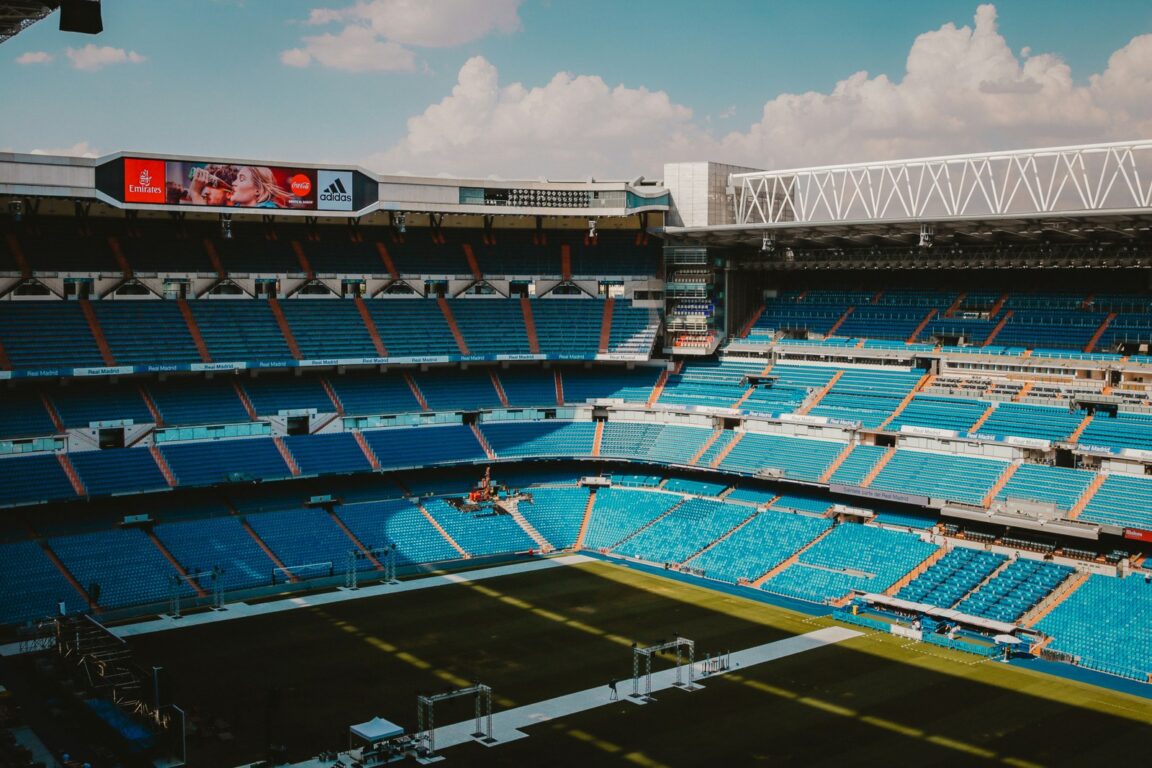
Start with the match, because everything else in a Madrid football weekend hangs off its date. Real Madrid’s Santiago Bernabeu, now wrapped in its metallic new skin after the long renovation, sits on the Paseo de la Castellana in the north of the centre; Atletico de Madrid’s Metropolitano stands in the east of the city near the airport corridor. Both clubs sell through their own websites and official outlets, and that is the only channel a solo traveller should use: Madrid’s big matches attract industrial-scale resale fraud, and a ticket bought from a street tout or an unofficial marketplace can fail at the turnstile with no remedy.
General sale for league matches typically opens after member pre-sales, and for the biggest fixtures, the derby and El Clasico above all, general availability can be thin to nonexistent. The honest solo strategy is flexibility: pick the weekend for the city, take whichever of the two clubs is at home, and treat a mid-table league match as the realistic target, because the atmosphere at a routine Bernabeu or Metropolitano night is still louder than most stadiums manage for a final. Prices move by opponent and seat, and both clubs publish the current bands on their own sites; check there rather than trusting any figure in a guide, including this one.
On a non-match day, the Tour Bernabeu fills the gap: a self-guided route through the museum, the trophy rooms and the stadium bowl, bookable online through the club with timed entry. Go early in the day, because the tour queues build by late morning, and pair it with the walk down the Castellana to the Cibeles fountain, where Real Madrid’s victories are celebrated, for the full geography of the club’s hold on the city. Solo travellers get one quiet advantage here: single seats are the last to sell out and the easiest to find at short notice, in both the stadium and the tour slots.
The Vermouth Hour and the Counter System
Madrid’s great solo institution is the bar counter, and its finest hour is late morning. La hora del vermut, the vermouth hour, runs from about midday to lunch, strongest on Saturdays and Sundays, in the old tascas of Malasana, La Latina and the centre: a small glass of house vermouth on tap, an olive, a plate of something pickled or fried, taken standing at the bar in fifteen unhurried minutes. It is a social ritual that requires no company, because the counter itself is the company; bartenders pour, regulars lean, and a lone man with a vermouth is part of the furniture.
Lunch follows the same logic. The menu del dia, the fixed weekday lunch offered across the city’s traditional restaurants, is the best-value full meal in Madrid: starter, main, drink and dessert or coffee at one posted price, served fast to a room full of workers, many of them eating alone at the bar version of the same menu. Order it without embarrassment and without translation anxiety; the choices are few, the quality in a busy place is reliable, and the whole performance is over in forty minutes.
For tapas, the counter beats the table every time for one. The classic Madrid order is small and specific: patatas bravas where the sauce is taken seriously, a cana of beer pulled properly, callos a la madrilena in the traditional houses for those who eat tripe, and a bocadillo de calamares, the fried squid sandwich, near the Plaza Mayor, where it is the local sacrament. Move bar to bar rather than settling; the crawl, one plate and one drink per stop, is how the city eats, and it suits a party of one perfectly. Our explainer on Spain’s traveller registration rules covers the hotel check-in paperwork that starts the trip, and the Prado route in our guide to the Prado in two hours is the natural solo afternoon between lunch and the evening.
The Late Dinner Social System
The one adjustment solo travellers must make is the clock. Madrid dines late: restaurants that look dead at 20:30 fill by 22:00, bars peak after midnight, and the evening is structured as a long ramp rather than a single event. Fighting the clock produces lonely early dinners in empty rooms; joining it produces the best solo evenings in Europe. Nap or rest in the late afternoon like the city does, take a first drink and a plate at a counter around 21:00, and sit down to dinner when the room fills.
Solo dinner works best in two formats. The first is the chef’s counter and the bar seat inside good restaurants, where kitchens increasingly seat singles facing the pass and where ordering three half-plates is normal. The second is the neighbourhood tasca, where the same counter logic as lunch applies at night and the bartender becomes your host. Areas to aim at: Malasana for rock bars and young crowds, Chueca for the city’s most social bar scene, La Latina on Sundays after the Rastro market, and the streets around Huertas for the literary, late-reading taverns. Madrid is a safe city at night by European capital standards; the ordinary cautions about pickpockets in crowded bars and around Sol and the Gran Via apply to everyone, alone or not.
Finish the night the Madrid way at least once: hot chocolate and churros in the small hours at one of the historic chocolaterias near Sol, where the crowd at 03:00 includes grandmothers, clubbers and night-shift workers at adjoining tables. It is the clearest proof of the city’s solo doctrine. In Madrid, being alone in public is not a condition to fix. It is how the city is used.
Frequently Asked Questions
How do I buy a Real Madrid ticket safely?
Only through the club’s official website or official outlets. General sale follows member pre-sales, and single seats remain available longest. Avoid street touts and unofficial resale sites, where invalid tickets are common for big matches.
Is the Bernabeu tour worth it on a non-match day?
Yes. The Tour Bernabeu covers the museum, trophy rooms and the renovated stadium bowl on a timed ticket booked through the club. Go early to avoid the late-morning queues.
Where should a solo man base himself?
Malasana and Chueca for maximum bar density and late life, Salamanca for a quieter, smarter base, and the Atocha area if early trains matter. All are walkable to the centre.
What time should I eat dinner?
From about 21:30 onward, when kitchens fill. Use the late afternoon to rest, take a counter drink and a plate around 21:00, and sit down when the room comes alive.
What is the menu del dia?
The fixed weekday lunch in traditional restaurants: starter, main course, drink and dessert or coffee at one posted price. It is the city’s best-value full meal and is routinely eaten solo at the bar.
Is Madrid safe for a man travelling alone at night?
By European capital standards, yes, with normal city awareness. The main risk is pickpocketing in crowded central bars and around Sol and Gran Via, not violent crime.
Image: Inside the Santiago Bernabeu stadium, Madrid. Photo: Andrea Ferrario, via Unsplash (hosted copy via Journal.hr).