 Rafael Santos
You can now stay in Panama City for up to 15 days on a Copa Airlines connection, at no additional airfare, as long as the stopover is built into your ticket before it is issued. Copa’s Panamá Stopover programme, checked on the airline’s own Panama pages on 25 November 2026, allows a stop of between 24 hours and 15 days on either the outbound or the return leg of a trip through Tocumen International Airport. That 15 day ceiling is the change that matters: the programme previously ran to a maximum of seven days, and some older Copa and partner pages still show the old limit, so the number to trust is the one on the airline’s current stopover terms at booking.
Quick Facts
- Programme: Panamá Stopover, run by Copa Airlines through its Hub of the Americas at Tocumen International Airport (PTY)
- Maximum stay: 15 days, with a minimum stop of 24 hours
- Which leg: The outbound or the return leg of the same trip, one stopover per itinerary
- Fare effect: No additional airfare for the Panama stop when the stopover is requested before ticketing
- The booking rule that decides everything: The stopover must be requested when you book, on copa.com, through a travel agency or at a Copa Airlines office, before the ticket is issued
- Entry basics: Passport valid for at least three months, a return or onward ticket, proof of at least US$500 in funds, and the address of your accommodation, per the Panama Tourism Authority
- Currency and time: The balboa and the US dollar, on UTC-5, with warm weather all year and a dry season from January to March
What actually changed in the stopover programme?
The headline change is duration. Copa’s current Panama pages state the stopover window plainly: a minimum of 24 hours and a maximum of 15 days, requested when you book. Earlier versions of the programme capped the stay at seven days, and that older figure still circulates on third party pages and at least some fare summaries, which is why travellers comparing sources this month can find two different numbers attached to the same programme. The airline’s own current wording, verified today, is 15 days. Trade coverage of the change describes the move as more than a doubling of the old seven day window, turning what was a long weekend allowance into a genuine second holiday inside a single ticket.
Nothing about the basic shape of the programme has changed. It remains a fare feature rather than a package: one stop in Panama on one leg of a Copa itinerary, priced as a single ticket, with the traveller arranging and paying for hotels, transfers and activities separately. Copa also promotes stopover linked offers with local hotels, restaurants and tour operators, claimed by showing the stopover booking, but the core value is the airfare itself, because the Panama days add no fare of their own when the stopover is in the booking from the start.
Why does the booking step have to happen before ticketing?
This is the single point where most travellers lose the benefit. A stopover is a property of the fare construction, not an add-on. When the stopover is selected during the original booking, on the Panama Stopover path of copa.com, through an agency or at a Copa office, the itinerary is priced as one ticket with a permitted stop at the hub. When a traveller instead books a plain connection and later asks to stretch it, the ticket has to be reissued under different fare conditions, and the free element is generally lost. Copa’s own guidance is consistent on this: request Panamá Stopover when you make your booking. Anyone holding an already issued ticket should contact the airline before assuming a stop can be added, and should expect the answer to depend on the fare class already bought.
The practical sequence is simple. Choose the final destination first, then build the itinerary with Panama City as a stop on one leg, set the stopover dates inside the 24 hour to 15 day window, and check that the confirmation shows the Panama stop as part of the ticket before paying. Keep the confirmation and, if booking through an agent, get the stopover stated in writing, because the document that matters at the airport is the ticket itself.
What do you need to leave the airport and enter Panama?
A stopover long enough to sleep in the city means clearing immigration as a visitor, not transiting airside. The Panama Tourism Authority’s travel requirements page, updated in November 2026, lists the documents officers expect: a passport with at least three months of validity, a return ticket to your country of origin or an onward ticket to your next destination, proof of economic solvency of at least US$500 shown as cash, a credit card, a bank reference, an employment letter or traveller’s checks, and the address of your accommodation together with the reason for the trip. Citizens of most countries do not need a visa and can stay for up to 90 days, far beyond the stopover ceiling, but nationality decides the detail, so check the visa section for your passport before travelling. Customs requires a declaration only when you carry cash, objects or documents worth more than US$10,000.
Two cautions belong here. First, travellers who are only passing through should separately check whether their nationality needs a transit visa, because the rule for staying airside is not the same as the rule for entering. Second, the onward ticket in your stopover itinerary is the return leg of the same ticket, so keep the full itinerary accessible on your phone or printed, since it is the document that satisfies the exit requirement. Our companion explainer on Panama’s entry rules and who qualifies for each stay category walks through the nationality tiers in full, and our guide to arrival procedures at Tocumen covers the immigration, baggage and customs flow step by step.
How should you spend 24 hours, three days or two weeks?
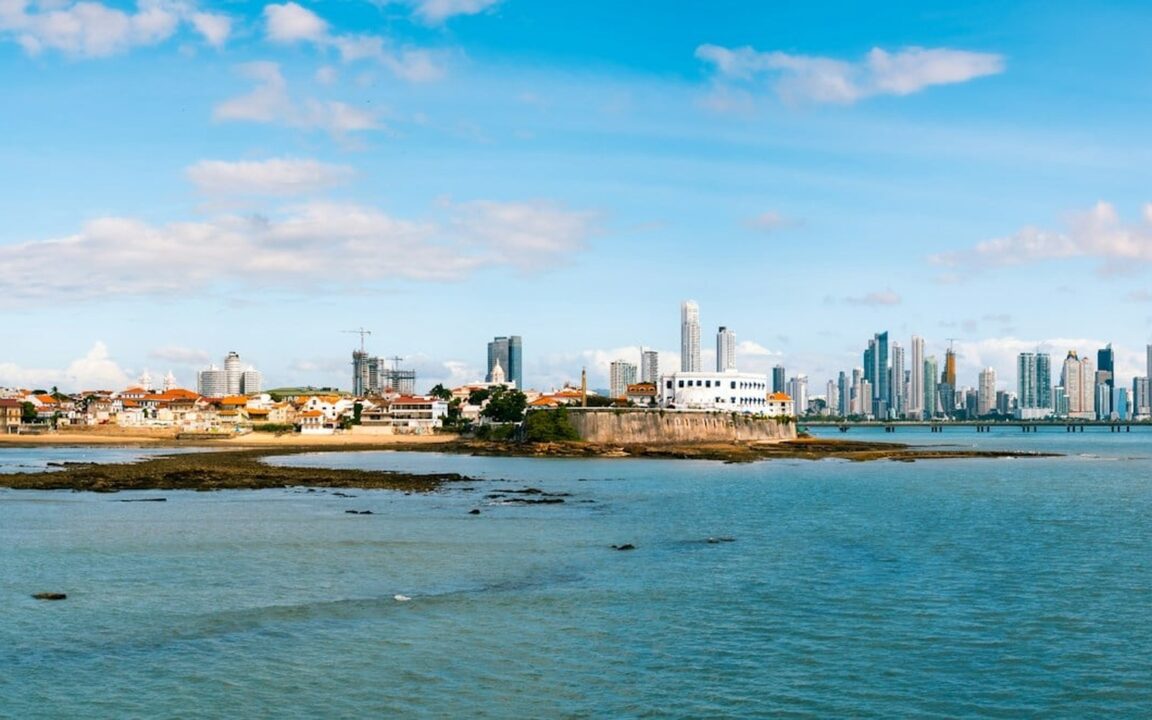
The stopover window now spans three very different trips. With a single day, Copa’s own guidance is to pick one anchor: the Miraflores Visitor Center at the Panama Canal, where ships pass through the locks in view of the terraces, or Casco Antiguo, the colonial old quarter of cobbled streets, plazas and museums that is best covered on foot. With two or three days, add the ruins of Panamá Viejo, the original city, whose bell tower frames the modern skyline, then the Amador Causeway for a walk or bike ride with the skyline across the water, Ancón Hill for the lookout over the port and the old quarter, and the trails of the Metropolitan Natural Park, a tropical forest inside the capital.
The longer stays the expanded programme now permits change the maths again. A week or more leaves room for Taboga Island, reached by sea from the Amador Causeway, for birdwatching on Pipeline Road in Soberanía National Park, and for the food that earned Panama City its UNESCO Creative City of Gastronomy status, starting with ceviche at the Mercado del Marisco. Where you base yourself shapes the trip: Casco Antiguo for history on foot, Avenida Balboa for Pacific views beside the Cinta Costera, and El Cangrejo or San Francisco for everyday city life and restaurants. Wherever you stay, allow generous time for the return to Tocumen, since transfer times vary sharply with the hour.
Who does the expanded stopover suit best?
The programme is built for the geography of Copa’s network. Tocumen is the connecting point for flights between North America, South America and the Caribbean, so a large share of Copa passengers were already passing through Panama City with no plan to see it. Fifteen days converts that connection into a two centre trip at the price of one fare: a traveller flying between, for example, a North American city and a South American destination can now spend a full holiday week or two in Panama on either leg without buying a separate ticket to the country. It also suits travellers testing Panama before a longer trip, since the entry rules for a stopover are the standard visitor rules and the city concentrates the Canal, the old quarter and the rainforest parks within short distances of each other.
Before booking, read the current terms on Copa Airlines’ Panama pages and the entry checklist on the Panama Tourism Authority’s travel requirements page, because stopover windows and entry rules are both the kind of detail that changes by resolution and by season. Facts in this article were checked against those sources on 25 November 2026.
Frequently Asked Questions
How long can I stay in Panama on the Copa stopover?
Between 24 hours and 15 days, according to Copa Airlines’ current programme pages. The stay counts as part of your single ticket, and it sits well inside Panama’s standard visitor stay limit, which the tourism authority gives as up to 90 days for most nationalities.
Can I add a Panama stopover after my ticket has been issued?
Do not count on it. The programme is designed to be requested at booking, on copa.com, through a travel agency or at a Copa office, before ticketing. An already issued ticket would need to be changed under its own fare rules, and the free stopover element is generally not preserved. Ask the airline before paying any change fee.
Can I take the stopover on both the outbound and return legs?
No. The programme allows one stopover, on the outbound or the return leg of the trip. Choose the leg where the dates, the season and your onward plans give Panama the most time, noting that the city’s dry season runs from January to March.
What documents do I need to leave Tocumen airport during a stopover?
A passport valid for at least three months, your return or onward ticket, proof of at least US$500 in funds and the address where you are staying, per the Panama Tourism Authority. Most nationalities need no visa, but check the requirement for your passport, and check the separate transit visa rules if you plan to remain airside instead.
Does the stopover cost extra in airfare?
The programme’s terms provide the Panama stop at no additional airfare when it is requested before the ticket is issued. You still pay Panama’s applicable taxes and all of your own costs on the ground, including hotels, transfers and tours.
What if a website still shows a seven day maximum?
That is the programme’s previous limit, which still appears on older pages. Copa’s current Panama pages state 15 days. Confirm the window shown in your own booking flow before paying, since the itinerary you buy is the contract that governs your trip.
Photo: Casco Antiguo and Ancón Hill in the foreground with the modern Panama City skyline across the bay, Panama. Photo by Armands Brants on Unsplash, Unsplash License.