 Camille Baptiste
Judged purely on what an independent traveller can do without booking an excursion, the three classic Western Caribbean ports rank in a clear order. Cozumel comes first, because its only town, San Miguel, is a genuine walk-off destination with a museum, a market, a main square and a seafront promenade. Grand Cayman comes second: it is a tender port, which costs you time at both ends of the day, but once ashore its famous beach is public, close and easy to reach on published fares. Roatán comes third for the walk-off traveller, not because the island is weak, quite the opposite, but because neither of its two cruise ports sits near its best beach, and every good plan there starts with a negotiated taxi ride. In each port there is exactly one paid trip that earns its money even for committed do-it-yourself travellers, and this guide names it. Everything below was checked against port authority, government and official tourism sources on the day of writing.
Quick Facts
The ranking for independent travellers: Cozumel first, Grand Cayman second, Roatán third, judged on walk-off options, transport norms and how much of the day survives without a tour
Docking: Cozumel and Roatán are walk-off piers; Grand Cayman is tender only, with no cruise berthing pier at all
Grand Cayman landing: Tenders run to three Port Authority terminals on the George Town waterfront, the Royal Watler, North and South terminals
Cozumel piers: Three, and they are not equal. Punta Langosta is in downtown San Miguel; the International Pier and Puerta Maya sit roughly 4 to 5 kilometres south of town
Roatán ports: Two, about 8 kilometres apart. The Port of Roatán at Coxen Hole and Carnival’s Mahogany Bay, renamed Isla Tropicale in 2026
Taxi norms: Fixed, posted fares in Cozumel; published Port Authority bus fares in Grand Cayman; agree the fare before you get in, in Roatán, where no official public fare list exists
The one paid trip per port: A reef boat in Cozumel, the Stingray City sandbar boat in Grand Cayman, and a guided reef snorkel or dive in Roatán
Planning more port days? The same independent logic applies on other itineraries, as our guide to Civitavecchia, Rome’s cruise port, shows in detail
Grand Cayman: the tender is the tax, the beach is the reward
Grand Cayman is the only one of the three where the ship never touches land. Every cruise ship anchors off George Town and tenders passengers ashore, because the island has no cruise berthing pier. The Port Authority of the Cayman Islands operates three tender terminals on the George Town waterfront, the Royal Watler Terminal, the North Terminal and the South Terminal, all a short walk apart on the harbour front, and your ship is assigned one of them. In rough weather, operations can shift to Spotts, a landing on the south coast, which turns a simple day into a bus ride, so check the port’s ship schedule and your line’s notices the night before. The honest cost of the tender is time: allow for the ride and the queue in both directions, and be back at the landing well before the last tender, because the return queues build hard in the final two hours when several ships share the anchorage.
What can you do in George Town without an excursion?
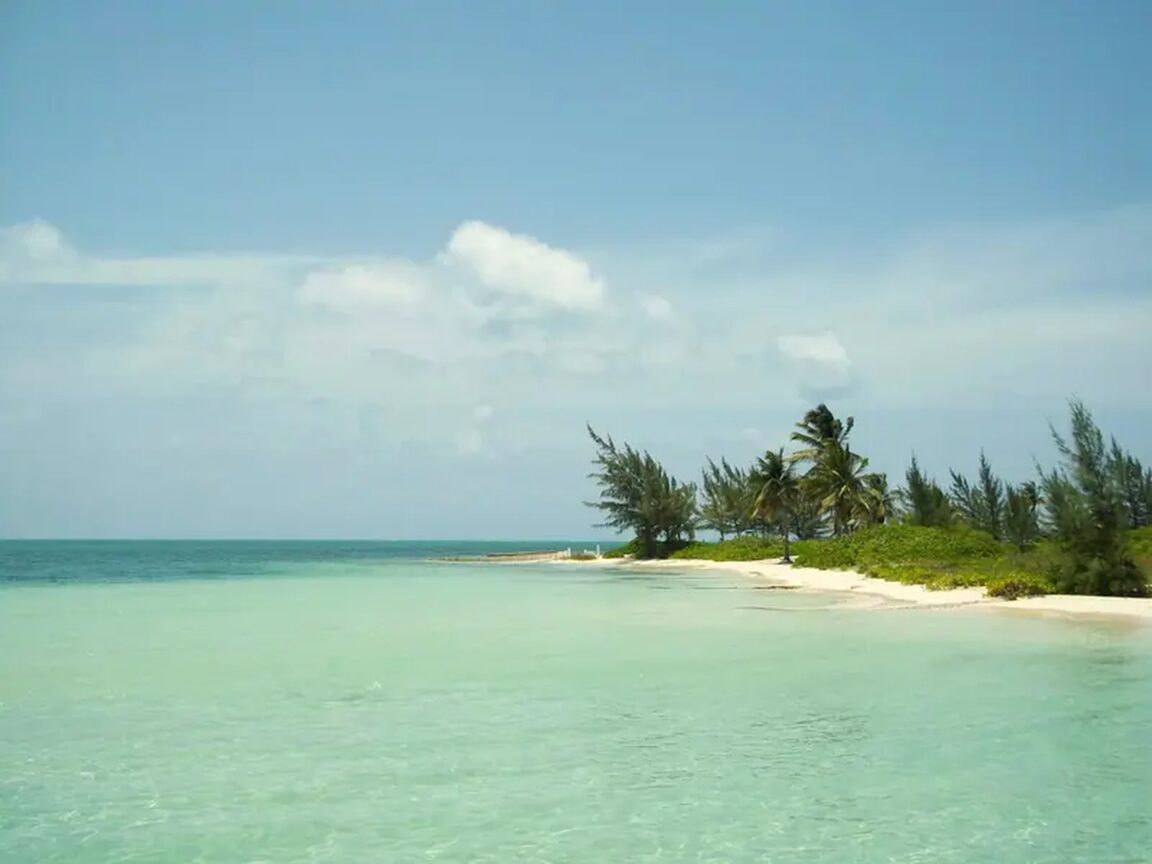
More than the duty free strip suggests, but the town itself is a half day, not a full one. You step off the tender straight into the capital, and the waterfront, the shops and the cafes of George Town are immediately walkable. The independent traveller’s real prize, though, is Seven Mile Beach, the long crescent of coral sand running north of town along West Bay Road. The beach is public, and getting there is the easiest transport transaction in this whole guide: the Port Authority itself publishes set bus fares from the George Town port to named stops along the beach, including the Public Beach, so the price of the ride is a matter of public record rather than negotiation. Licensed taxis and public minibuses both run the route, the drive is roughly ten minutes, and you simply choose your stretch of sand, swim, and ride back the same way. That combination, a world class beach on a published fare with no excursion desk involved, is why Grand Cayman holds second place despite the tender.
The one paid trip worth it in Grand Cayman: Stingray City
Stingray City is the exception that proves the independent rule, because there is no do-it-yourself version of it. The site is a sandbar in the North Sound, roughly 25 minutes by boat from the Seven Mile Beach area according to the Cayman Islands’ official tourism site, where wild southern stingrays gather in waist deep water. You can only reach it on a boat, so the excursion is not a convenience, it is the access itself. Book an operator that works under the Cayman Islands Department of Environment rules for the Wildlife Interaction Zones, which are the only places in Cayman waters where interacting with marine life this way is legal. The rules are simple and they matter: only the guides feed the rays, you never lift a stingray so its gills leave the water, you shuffle your feet along the sand rather than stepping, and no touch observation is always acceptable if you prefer to watch. A good operator briefs all of this before anyone gets in the water.
Cozumel: the best walk-off port on the route, if your pier cooperates
Cozumel is the strongest of the three for independent travellers, with one large asterisk: the island has three cruise piers, and which one your ship draws decides your morning. Punta Langosta sits in downtown San Miguel, and from it you walk off the pier and straight into town. The International Pier, used mainly by Royal Caribbean and Celebrity, and Puerta Maya, Carnival Corporation’s pier just south of it, are roughly 4 to 5 kilometres down the coast road. From the southern piers the day still works beautifully, it just starts with a taxi. Cozumel’s taxi system is the most orderly of the three ports: fares are set by the island’s taxi union, posted on a board at each pier’s taxi stand, charged per cab rather than per person for up to four passengers, and payable in cash. Read the board, confirm the fare for your pier before you ride, and the transaction is done. Drivers are required to show the official rate card on request.
What is there to walk to in San Miguel?
San Miguel rewards the walker more than any town on this itinerary. Start on Avenida Rafael E. Melgar, the seafront avenue and promenade that locals call the malecón, and walk it to the Muelle Fiscal, the downtown ferry pier where boats cross to Playa del Carmen on the mainland. Across the avenue sits Parque Benito Juárez, the main square, with its clock tower, fountain and benches, the social centre of the island. A few streets inland, the municipal market, the Mercado Municipal, is where the town actually shops and eats, and it makes a better lunch stop than the waterfront strip. The single best indoor hour in town is the Museo de la Isla de Cozumel, the island museum on Avenida Rafael E. Melgar, run by the Fundación de Parques y Museos de Cozumel, the state foundation that also manages the island’s parks. Its galleries cover the island’s reefs and ecosystems, its years as a Maya pilgrimage island sacred to the goddess Ixchel, and its reinvention as a diving destination, and Mexico’s Secretaría de Cultura lists it as open Tuesday to Sunday, morning to late afternoon. Add the church of San Miguel Arcángel just off the square and the Coral Reefs Monument by the ferry pier, and you have a full, free, self guided town day that no excursion improves on. If you are packing for a winter sailing on this route, our Caribbean cruise winter packing guide covers the embarkation day bag and the reef safe sunscreen rule that applies in all three ports.
The one paid trip worth it in Cozumel: a boat to the reef
Cozumel’s fame is underwater, and the shore does not do it justice. The island’s southwest coast is protected as the Arrecifes de Cozumel national marine park, and the celebrated reefs, Palancar and Colombia among them, are boat access drift snorkels and dives over coral walls that start a short swim from the surface. This is the one place on the route where paying for the boat buys something genuinely unreachable on foot: the current does the work, a good captain reads the conditions and picks the reef, and the park’s protected status is exactly why the coral here outclasses anything you will see from a beach club dock. Choose a licensed operator that pays the marine park fees and keeps groups small, and keep the town walk for the other half of the day. The two halves combine well, because the southern piers sit close to the reef zone and San Miguel is a short posted fare north.
Roatán: the best reef of the three, and nothing walkable to it
Roatán, the long green island off Honduras, is where the honest judging cuts hardest against the walk-off traveller. Ships dock, which is a point in its favour, but they dock at one of two ports about 8 kilometres apart on the south coast, and neither is near the island’s best water. The Port of Roatán, in the island’s main town of Coxen Hole, is used by Royal Caribbean, Norwegian, MSC, Celebrity and Virgin among others, and from its gate you can walk into Coxen Hole itself, a working town that is honest and busy rather than pretty. Carnival Corporation ships use Mahogany Bay, renamed Isla Tropicale in 2026, a self contained port at Dixon Cove with its own private beach reached by a chairlift or a short walk inside the complex. That beach is a perfectly pleasant free day, and it is also the trap: it is easy to spend the whole call inside the fence and see almost nothing of the island that makes Roatán special.
How do taxis work in Roatán?
Roatán runs on the opposite system from Cozumel. There is no published official fare list, so the fare is a conversation, and the conversation has to happen before you get in. Agree the price in US dollars, which circulate widely on the island, and confirm three things explicitly: whether the quote is per person or per car, whether it is one way or return, and, if it is a return, what time the driver collects you and from exactly where. Taxis wait at both port exits, and drivers who work the cruise trade are used to being hired for the round trip to the west end and back, which is usually the smartest structure for a ship day. The drive to West Bay takes roughly 25 to 40 minutes depending on which port you start from, so build the return leg into your plan from the start rather than hoping to flag a ride at the beach.
What should an independent traveller actually do in Roatán?
Head west. West Bay Beach, at the island’s western tip, is the finest beach on this entire itinerary for swimmers: a mile of white sand, calm clear water, and the Mesoamerican Barrier Reef, the second largest barrier reef system in the world, lying a short swim off the sand, so you can snorkel over coral from the beach with your own mask or a rented one. Beach clubs along the sand rent chairs and sell lunch, and the public beach itself is free to use. Just north of West Bay, the village of West End is the island’s dive town, a single laid back waterfront street of dive shops, cafes and bars along Half Moon Bay, and small water taxis shuttle between the West End docks and West Bay through the day for a small cash fare agreed on the dock, which makes combining the village and the beach easy. Judged as a beach and reef day reached by one negotiated taxi, Roatán is superb. Judged strictly on what you can do on foot from the gangway, it finishes third, and the score is about geography, not quality.
The one paid trip worth it in Roatán: a guided reef snorkel or dive
The reef is the reason Roatán is on the itinerary at all, and a boat puts you on its best sections, the outer walls and the protected sites inside the Roatán Marine Park that shore entries do not reach. West End’s dive shops run snorkel trips as well as dives, the island’s diving is famously good value by Caribbean standards, and a guided trip also solves the transport problem, since operators collect from or near both cruise ports. If you book only one excursion on the whole Western Caribbean route and you are a confident snorkeller or a certified diver, the strongest case of the three is arguably here, with Cozumel’s reef boat a close second. Independent travellers who prefer to keep the day their own can still do West Bay entirely without a tour, which is more than Stingray City allows, and that flexibility is worth naming in Roatán’s favour.
So which Western Caribbean port is best without an excursion?
Cozumel, and it is not close, provided you treat the pier lottery honestly: from Punta Langosta it is the finest walk-off port day in the region, and from the southern piers it is one short, fixed fare taxi ride from the same day. Grand Cayman is the best single sight port, because Seven Mile Beach on a published fare is a better beach day than most excursions sell, but the tender eats into every plan and Stingray City, its signature experience, cannot be done independently at all. Roatán asks the most of the independent traveller and, for swimmers and snorkellers willing to negotiate one taxi ride, quietly gives the most back. The pattern across all three is the same one that governs good port days anywhere, from the Caribbean to the Mediterranean run in our Juneau port day guide: know exactly where your ship puts you, know the local transport norm before you need it, and spend your excursion money only where the boat or the permit is the thing itself.
Frequently Asked Questions
Can you walk off the ship and explore Cozumel on your own?
Yes. From Punta Langosta you walk straight into downtown San Miguel. From the International Pier and Puerta Maya, about 4 to 5 kilometres south, take a licensed taxi at the fixed fare posted on the board at the pier taxi stand, charged per cab for up to four passengers.
Do cruise ships dock in Grand Cayman?
No. Grand Cayman has no cruise berthing pier. Ships anchor off George Town and tender passengers to the Port Authority’s Royal Watler, North or South terminals on the waterfront. In rough weather, tendering can move to Spotts on the south coast.
How do you get to Seven Mile Beach from the cruise tender landing?
By licensed taxi or public minibus north along West Bay Road, a drive of roughly ten minutes. The beach is public, and the Port Authority of the Cayman Islands publishes set bus fares from the George Town port to stops along the beach, including the Public Beach.
Which Roatán port will my ship use?
Carnival Corporation lines use Mahogany Bay, renamed Isla Tropicale in 2026, at Dixon Cove. Royal Caribbean, Norwegian, MSC, Celebrity and Virgin are among the lines using the Port of Roatán at Coxen Hole. The two ports are about 8 kilometres apart, so tell any driver or operator your exact terminal.
Are taxi fares fixed in Roatán?
There is no published official fare list. Agree the fare in US dollars before getting in, and confirm whether it is per person or per car, and one way or return. Hiring one driver for the round trip to West Bay and back is the standard approach for a cruise day.
What are the rules at Stingray City?
Stingray City and the Sandbar are Wildlife Interaction Zones under Cayman Islands Department of Environment rules. Only guides may feed the stingrays, you must never lift a ray out of the water, you should shuffle your feet on the sand, and touching or feeding stingrays anywhere outside the zones is prohibited.
Image: Seven Mile Beach, Grand Cayman, the public beach a short ride north of the George Town tender landings. Photo by Becky Vogel, via Unsplash (Unsplash License), hosted copy via High Vibe Vacay, which credits the photographer and license.