 Sofia Rossi
Cruise passengers who step ashore in Greece now pay a per person, per port fee called the sustainable tourism fee, and the bill is highest at Santorini and Mykonos. In peak season, from June 1 to September 30, disembarking at either island costs 20 euros per passenger. The same call costs 12 euros in April, May and October, and 4 euros from November to March. Every other Greek port charges a quarter or less: 5 euros in peak season, 3 euros in the shoulder months and 1 euro in winter. The fee has applied since July 21, 2025, under Law 5162/2024, and the cruise line collects it, so most passengers never hand over cash on the pier.
Quick Facts
- Official name: Sustainable Tourism Development Fee, set by Law 5162/2024.
- In force since: July 21, 2025, and continuing through the 2026 season.
- Santorini and Mykonos, peak: 20 euros per passenger, June 1 to September 30.
- Santorini and Mykonos, shoulder: 12 euros per passenger, April, May and October.
- Santorini and Mykonos, winter: 4 euros per passenger, November to March.
- All other Greek ports: 5 euros peak, 3 euros shoulder, 1 euro winter, per passenger.
- How it is charged: Per person, per disembarkation, collected by the cruise line.
- Who avoids it: Passengers who stay on board at a port call, and crew.
How much is the fee at Santorini and Mykonos?
The two islands sit in their own top tier because they receive the heaviest cruise pressure in Greece. A peak season call costs 20 euros for every passenger who disembarks, with no published discount for children, so a family of four stepping ashore at both Santorini and Mykonos in July pays 160 euros in fees alone across the two calls. The shoulder rate of 12 euros applies in April, May and October, which is one practical reason spring and autumn itineraries feel cheaper beyond the fare itself. In winter the rate falls to 4 euros, although few Aegean itineraries call during those months.
Every other Greek port, including Piraeus for Athens, Rhodes, Corfu, Katakolon and Heraklion, sits in the standard tier at 5 euros in peak season, 3 euros in the shoulder months and 1 euro in winter. A typical week long Aegean loop calling at Santorini, Mykonos and three standard ports in July therefore adds about 55 euros per passenger in total. The Greek government projected the levy would raise roughly 50 million euros a year, shared between island municipalities, port infrastructure and tourism purposes.
How is the fee collected?
Passengers do not pay at a kiosk on shore. Cruise lines collect the fee on behalf of the Greek state through their onboard systems, either built into the fare, shown inside port charges, or posted to the onboard account when a passenger disembarks. Lines remit what they collect to the authorities on a quarterly cycle. The practical consequence is that the charge follows the act of going ashore: if you stay on the ship during a call, the fee for that port is not charged, and lines describe the amount being removed from the onboard account when no disembarkation is recorded. Check your cruise line’s fee page before sailing, because presentation differs between lines even though the underlying rates are set nationally.
Who pays, and who does not?
The fee applies to cruise passengers who disembark at a Greek port, whether that port is the headline stop of the day or a shorter transit call. It is separate from the money overnight visitors pay: travellers who fly in and sleep on the islands pay the per night climate resilience fee through their accommodation instead, and do not pay the cruise fee. Ferry passengers travelling between Greek islands are also outside the cruise levy, which is aimed specifically at cruise ship arrivals. Published exemptions are narrow: passengers who disembark for emergency medical reasons and ship crew are the recognised exceptions. Everyone else who scans ashore pays the tier rate for that port and season.
Why did Greece introduce a cruise passenger fee?
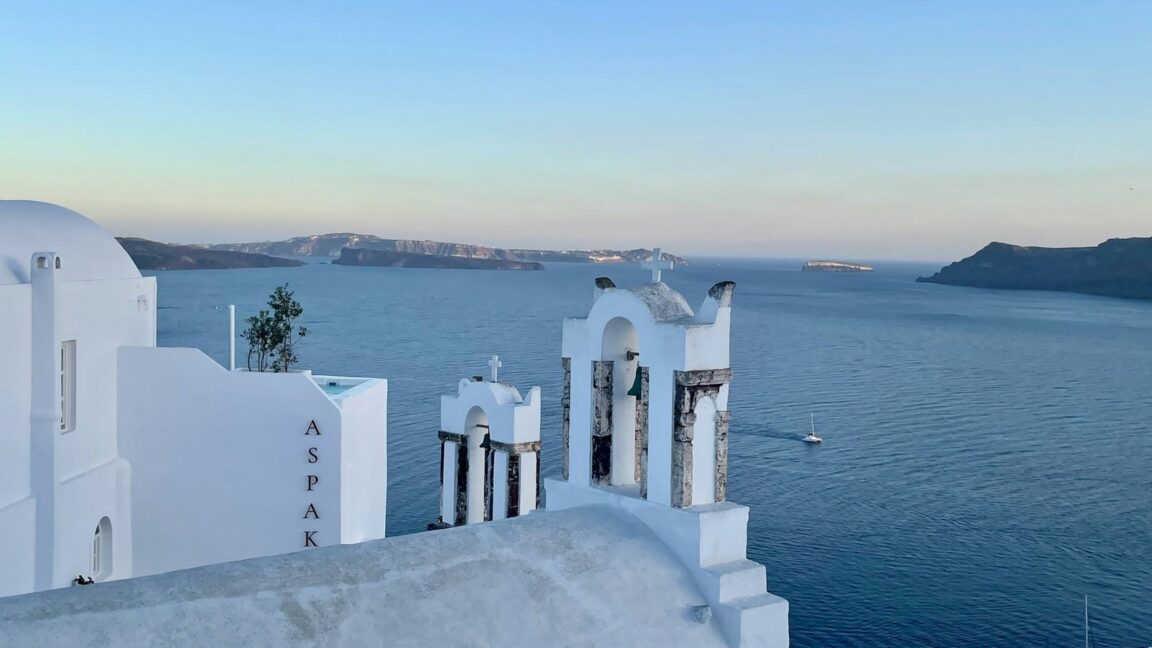
Santorini and Mykonos receive thousands of cruise visitors on peak days into small ports and, in Santorini’s case, up a cliffside caldera rim served by a cable car and a single winding path. Greek lawmakers argued that a per passenger contribution spreads the cost of port facilities, waste handling and local infrastructure across the visitors who create the peak load, and the tiered design pushes some demand toward the shoulder months by pricing July and August highest. Santorini has also discussed daily cruise arrival limits in the same debate, but the fee itself is the measure in force nationally, and it is the fee, not any cap, that appears on passenger accounts. For wider context on how the islands handle crowds on land, see our 3 days in Athens itinerary for pre and post cruise nights, and our guide to packing for a Greek island ferry trip if you are extending the cruise with independent island time.
How can cruise passengers keep the cost down?
The honest levers are timing and itinerary rather than anything at the pier. The same Santorini and Mykonos calls cost 12 euros instead of 20 in May or October, a saving of 16 euros per person across the two islands, with thinner crowds as a bonus. Choosing an itinerary with fewer Greek port calls reduces the total proportionally, since the fee repeats at every disembarkation. Staying on board at a port you have visited before legitimately avoids that call’s fee, although it should be a considered choice rather than a default, because the fee is small next to the cost of the cruise itself. What does not work is trying to pay locally or negotiate at the gangway: collection is systematic, through the line, for every passenger recorded ashore. Visitors heading up to the Acropolis on a Piraeus call can plan the shore day with our Acropolis tickets and entry guide.
Frequently Asked Questions
How much is the cruise fee at Santorini in summer?
20 euros per passenger who disembarks, from June 1 to September 30. Mykonos charges the same peak rate. The fee drops to 12 euros in April, May and October and 4 euros from November to March.
Do children pay the Greece cruise passenger fee?
Published schedules set the fee per disembarking passenger with no general child discount listed, so families should budget the full tier rate for each child who goes ashore. Confirm your line’s current treatment when you book.
What happens if I stay on the ship in port?
No disembarkation means no fee for that call. Cruise lines describe the charge being applied when a passenger goes ashore and removed when the passenger stays on board.
Is the cruise fee the same as the Greek hotel tax?
No. The cruise fee is per passenger per port call. Overnight guests pay a separate per night climate resilience fee through their hotel or rental, and the two systems do not overlap for the same night.
When did the fee start?
The levy was created by Law 5162/2024 and took effect on July 21, 2025. It applies across the full cruise season in 2026 at the same published tier rates.
Do ferry passengers pay the cruise fee?
No. The levy targets cruise ship passengers. Travellers moving between Greek islands by scheduled ferry are outside it, although standard port and ticket charges still apply.