 Omar Haddad
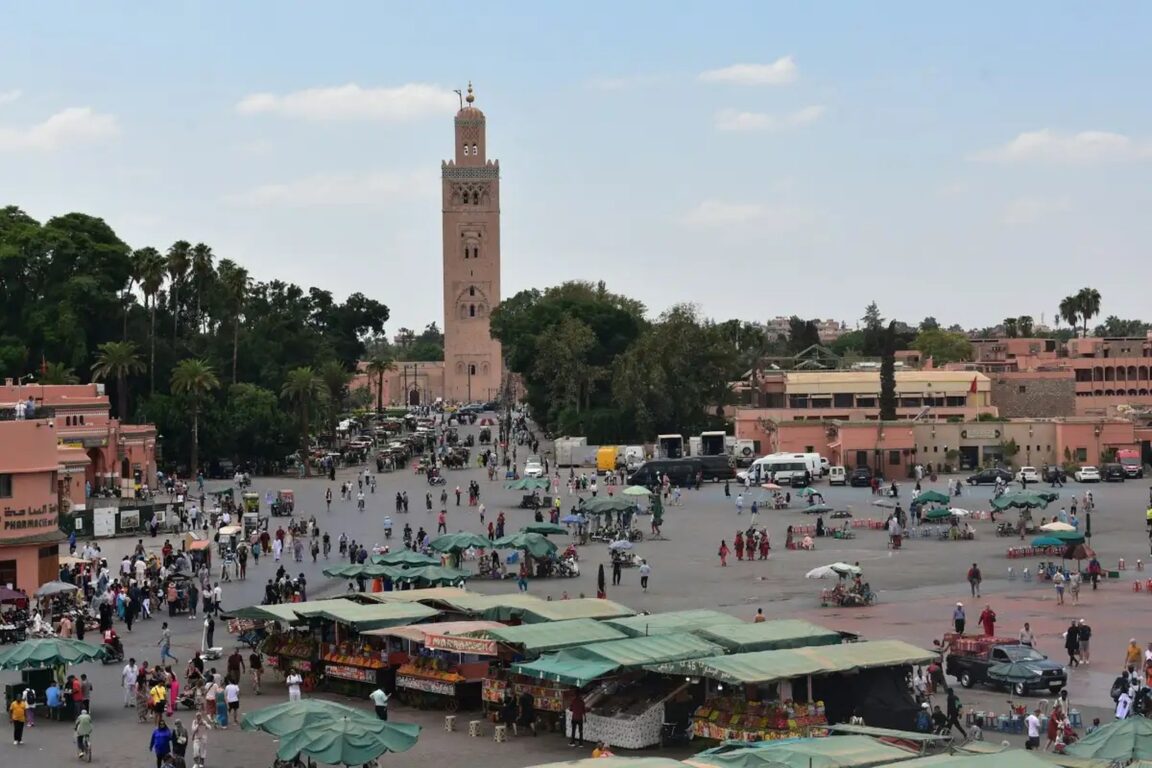
Marrakech rewards the eater who follows its clock: tanjia, the slow beef pot that cooks in hammam ashes, is a lunch dish with a working men’s history; mechoui, whole lamb roasted in a pit oven, sells by weight in one famous alley until it runs out, usually by early afternoon; and Jemaa el-Fnaa, the great square, becomes one of the world’s finest open air restaurants only after dark, when a hundred numbered grill stalls fire up in the smoke. Eat in that order, tanjia and mechoui by day, the night market after sunset, mint tea at every pause, and the medina makes sense. This guide gives the safe eating order the city itself uses.
Quick Facts
- The lunch pot: Tanjia, beef sealed in a clay amphora with preserved lemon, garlic and saffron, slow cooked for hours in the ashes of a hammam furnace. Not a tagine; the vessel and the method are different.
- Mechoui anchor: Mechoui Alley, at the northeast edge of Jemaa el-Fnaa, where pit roasted lamb is sold by weight and sells out, typically by about 2 in the afternoon.
- Night market hours: Stall crews set up from about 4 in the afternoon, grills peak after dark, and the square serves until about midnight.
- First bowls: Harira, the tomato, lentil and chickpea soup, with dates and chebakia pastries, and babbouche, snails in a spiced broth, are the gentle openers.
- Tea ritual: Mint tea is poured from a height to foam the glass. It is offered everywhere, and accepting the first glass is the city’s basic courtesy.
- Price habit: Night stall meals commonly run in the tens of dirhams per dish. Agree every price before you sit down, at stalls and with performers alike.
- Prices checked: 14 November 2026. Stall numbers and positions on the square are being renewed through 2026, so this guide navigates by dish and zone, not stall number alone.
What is tanjia, and why is it not a tagine?
Because the cooking happens in a different world. A tagine cooks on a stove in its flat, lidded dish and belongs to family kitchens. A tanjia is a tall clay amphora filled with beef, preserved lemon peel, garlic, saffron, cumin and a little water, sealed with paper and string, and carried to the furnaces that heat the hammam bathhouses, where it buries in warm ash and cooks for six hours or more, traditionally while its owner works and bathes. It is the bachelor and craftsmen’s dish of Marrakech, prepared by men, eaten communally, tipped straight from the pot onto a shared plate, with bread as the only cutlery and cumin salt on the side.
The meat emerges spoon tender and deeply savoury, the sauce reduced to almost nothing, which is the point: tanjia is about the meat’s own juices, not a gravy. Eat it at lunch, in a medina restaurant that cooks it the hammam way rather than in an oven, and eat it with your hands and bread if the table does, because the dish carries its ritual with it. Order it ahead where a house asks, since a pot that takes six hours cannot be improvised at noon. Visitors who know only tagine leave Marrakech having missed the city’s signature plate. Do not be that visitor.
How does Mechoui Alley work?
Quickly, and by weight. Just off the northeast corner of Jemaa el-Fnaa, a short alley of roasting houses serves mechoui, whole lamb slow roasted in pit ovens until the skin crisps and the shoulder meat pulls apart. You point at the cut, the carver weighs it, and it arrives on paper with bread, cumin salt and sometimes a small dish of the roasting juices. That is the entire menu architecture, and it is perfect. The shoulder is the connoisseur’s cut, the one regulars name first.
Timing is the whole game. The alley trades through the late morning and lunch, and the lamb runs out, commonly by about 2 in the afternoon, earlier on busy days. Go at noon, go hungry, and treat it as the day’s main event rather than a snack before something better. There is nothing better. Mechoui at its source, eaten standing or at a shared table with bread and salt, is one of the great meat lunches of North Africa, and its simplicity is exactly why it has never needed to change. For the wider Moroccan table beyond the medina, the souk lanes north of the square sell the olives, preserved lemons and spice pyramids, ras el hanout above all, that season everything in this guide.
How do you eat the Jemaa el-Fnaa night market in a safe order?
By building up, exactly as locals do. The square, recognised by UNESCO in 2001 on its Representative List of the Intangible Cultural Heritage of Humanity for its storytellers, musicians and food culture, fills from late afternoon as handcarts wheel in the numbered stalls. Walk one full circuit first without buying anything. Note where the crowds of Moroccan families sit, because turnover is the only hygiene signal that never lies, and choose stalls where you can see ingredients fresh and grills working hard.
Course one: harira and snails
Start with harira, the tomato based soup of lentils, chickpeas and herbs, served with dates and honey drenched chebakia, the combination Moroccans break fasts with. A few stalls away, the babbouche snail carts serve small bowls of snails in a peppery broth of thyme, aniseed and liquorice root: pick the snails out with a toothpick, then drink the broth, which is reputed to settle the stomach for everything after. It is the gentlest, cheapest and most local opening on the square.
Course two: the grills
Now the smoke. The grill stalls serve skewers of lamb, kefta and merguez sausage, grilled sardines and calamari near the fish stalls, and whole grilled fish with chermoula. Order in small rounds, a few skewers at a time, with bread, olives, harissa and the tomato onion salad that arrives unasked. Sheep’s head and trotters are there for the committed, cheek first, with cumin and salt. Everything is cooked in front of you; ask for it well done without embarrassment, and confirm the price of the round before it lands.
Course three: juice and tea above the square
Finish at the orange juice carts that line the square from morning, a glass squeezed in front of you, or take mint tea on a rooftop terrace and watch the square you just ate your way across. The stall touts will invite you in with rehearsed comedy all evening; a smile, a hand on the heart and a firm no thank you, or a yes when you mean it, is the whole etiquette. For another great night market circuit run on the same graze and build logic, our Istanbul food guide covers the evening side of a sister medina city.
What is the mint tea ritual?
Hospitality, performed. Green tea is brewed strong with fresh mint and a serious amount of sugar, then poured from a silver pot held high above small glasses so the tea foams, the sign it is ready. It arrives when you arrive, anywhere: a shop, a stall, a riad courtyard, a carpet showroom where the tea is also a negotiation and both parties know it. Accept the first glass always. Drink at the pace set for you. In restaurants it closes the meal the way harira opens the evening, and a day of Marrakech eating is really a chain of small glasses with food in between. Visitors counting sugar should know the tea is sweet by design; asking for it without is possible in cafes and mildly heretical at stalls.
How should you pace two days of eating in Marrakech?
Day one: tanjia at lunch in the medina, mint tea through the afternoon, the night market in the safe order after dark. Day two: mechoui at noon sharp, a riad or cafe lunch on the light side if you missed tanjia, and a second night market pass for the stalls you marked on the first circuit, because the square rewards a return with knowledge. Keep breakfast Moroccan wherever you sleep: msemen flatbreads, amlou almond spread, olives, eggs with cumin, and tea. For a coastal contrast within the same food culture of bread, olives and grills, our Tel Aviv food guide shows the Levantine version of the market first pattern.
Frequently Asked Questions
Is the Jemaa el-Fnaa night market safe to eat at?
Yes, with the standard method: choose busy stalls with high turnover and local families eating, watch your food cooked in front of you, start with soup and snails before the grills, and agree prices before sitting. Thousands of people eat there every night, most of them Moroccan.
What is the difference between tanjia and tagine?
Vessel, method and setting. A tagine is a shallow lidded dish cooked on a stove. A tanjia is a sealed clay amphora slow cooked for hours in hammam ashes, traditionally prepared by men and eaten communally with bread. The flavours, preserved lemon and saffron over slow beef, are cousins; the ritual is entirely different.
When does mechoui sell out?
Mechoui Alley trades from late morning and the roasted lamb commonly runs out by about 2 in the afternoon, earlier on Fridays and busy days. Arrive around noon for the full choice of cuts, shoulder above all.
How much should a night market dinner cost?
A full graze, soup, snails, skewers, bread and juice, commonly lands in the range of a few tens of dirhams to about a hundred per person, depending on the fish and grill orders. Confirm each price before ordering and the bill holds no surprises.
Do you have to bargain at the food stalls?
No. Stall prices are broadly standard and often displayed or quoted by dish. The rule is not bargaining but confirming: ask the price of what you are ordering before it is cooked, especially for fish sold by weight and any extra plates that appear.
What should vegetarians eat in Marrakech?
Plenty: vegetable tagines, harira without meat where offered, lentil and chickpea dishes, msemen and beghrir pancakes with amlou, olives, salads, fresh juices and the whole bakery register. Say so clearly at grill stalls and the kitchens will route you to the vegetable pots.