 Rafael Santos
The Wallowa Lake Tramway is a 15 minute gondola ride that climbs 3,700 vertical feet from the south shore of Wallowa Lake to the summit of Mount Howard at 8,150 feet, and almost everything about the visit follows from two facts: it only runs from mid May to September, and the last ride down is at 4:45 pm. Ride up in the morning, walk the summit loop trails to the valley and wilderness overlooks, eat at the Summit Grill in the upper terminal, and be back at the top station in good time for the descent. The tramway is a Swiss made four person gondola opened in 1970, billed by its operator as the steepest vertical lift of its kind in North America, and it turns a serious alpine summit into an outing that needs no hiking boots to begin. It pairs with the lake shore trails covered in the Wallowa Lake moraine hikes guide for a full lake and summit day.
Quick Facts
- What: A four person gondola tramway from Wallowa Lake to the summit of Mount Howard, with summit trails, overlooks and the Summit Grill restaurant at the top
- Address: 59919 Wallowa Lake Highway, Joseph, Oregon 97846, at the south end of Wallowa Lake beside the state park. Phone (541) 432-5331
- The ride: 3,700 feet of vertical ascent, from a base at 4,450 feet to 8,150 feet, in just under 15 minutes, on a cable 19,300 feet long carried on 25 towers
- Season: Mid May, on select dates only, through September. Closed from October to mid May except for special occasions
- Ticket booth hours in season: June 10 am to 3:30 pm, July 9 am to 3:30 pm, August and September 10 am to 3:30 pm, daily. The last ride down is at 4:45 pm
- Tickets: Day tickets and a summer pass are sold through the official site and at the booth; the operator does not publish a static fare table in its visit information, so check the live price on wallowalaketram.com when you plan
- Setting: The tramway stands in the Wallowa Whitman National Forest and operates under a special use permit from the USDA Forest Service
What happens on the ride itself?
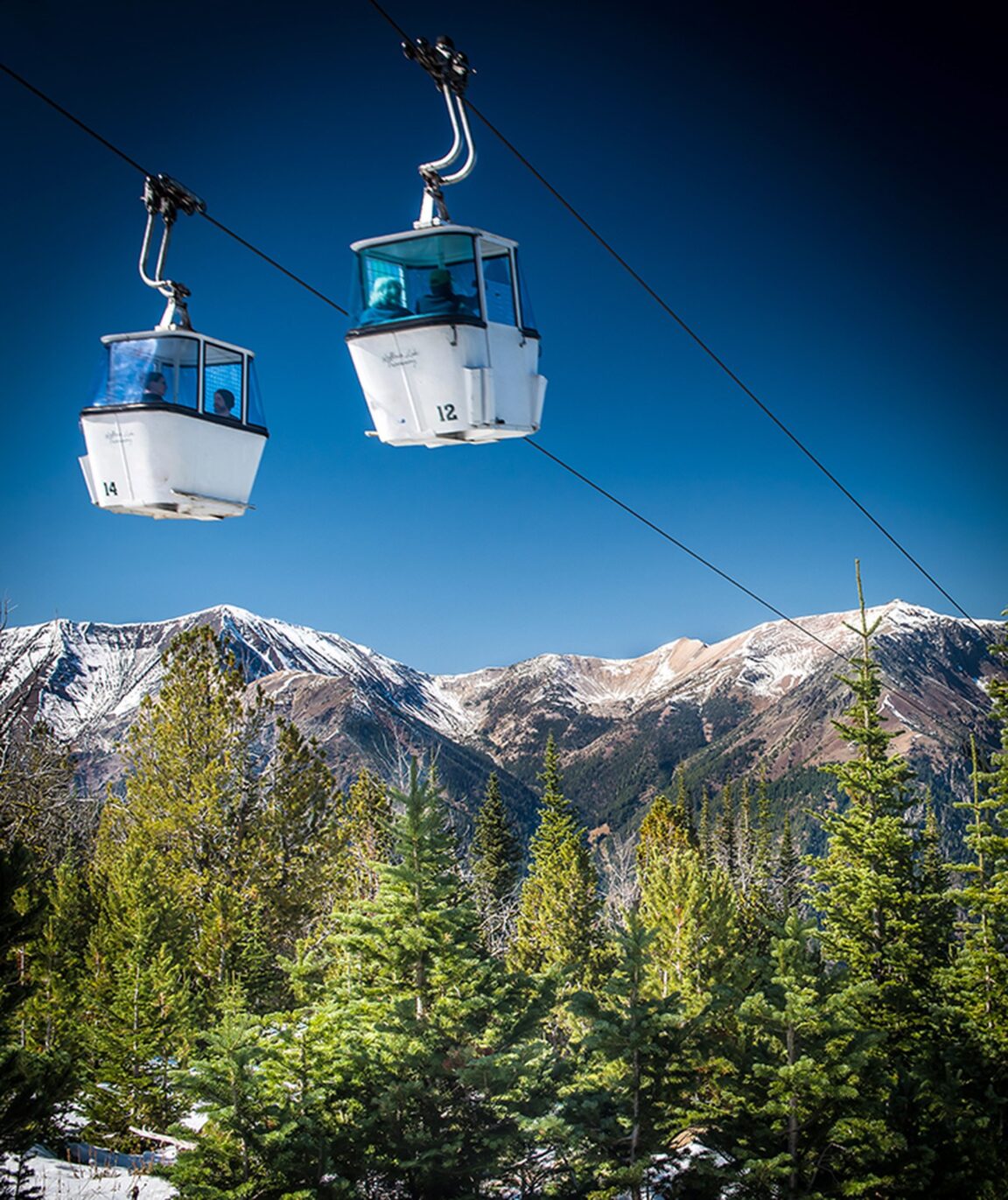
The gondola is a continuous loop system: small four person cabins, built in Switzerland and in service since 1970, swing out of the lower terminal and climb at a gradient that still defines the ride. The operator records the engineering plainly: 25 towers, a highest point above ground of 120 feet between towers 4 and 5, a cable nearly four miles long, and a summit named for Major General Oliver O. Howard. What those numbers feel like is a climb that keeps steepening, with Wallowa Lake dropping away behind the cabin and the Eagle Cap Wilderness opening ahead, until the car levels into the upper terminal at 8,150 feet. The descent is the better photograph, because the lake lies directly in front of the cabin for most of the way down.
Because the cars are small and load continuously, queues move steadily, but the arithmetic of the day is fixed by the booth hours above: the ticket booth closes at 3:30 pm and the mountain empties on the 4:45 pm last ride down. Anyone arriving at the lake in the late afternoon has missed the tramway for the day, however fine the evening looks. Build the tramway into the morning, and let the lake, the state park beach and the town of Joseph fill the afternoon instead.
What is there to do at the summit of Mount Howard?
The summit is a small alpine world rather than a single viewpoint. A network of trails fans out from the upper terminal, including the circular summit loop toward the valley overlook, with interpretive signs naming the plants, the peaks and the country in front of you: the Wallowa Valley towns of Joseph, Enterprise, Lostine and Wallowa below, the Eagle Cap Wilderness around, the Snake River country beyond, and, on the clearest days, views into Washington and Idaho. The walking is high altitude walking at over 8,000 feet, on open grassland that the operator asks visitors to protect by staying on the designated trails and carrying all litter back to the bins, because the summit holds sensitive alpine plants and wildlife.
What about eating at the top?
The Summit Grill and Alpine Patio sit inside the upper terminal operation and are routinely described as the highest restaurant in Oregon, a claim the altitude makes plausible: a meal at 8,150 feet with the valley spread out below. The grill keeps its own hours within the tramway day, so lunch early rather than late, and treat the grill as the midday anchor of the summit visit: ride up, walk the loop, eat, walk the short overlook spurs, then descend. Picnics are also a long standing summit use, alongside weddings, reunions and, for the equipped and permitted, hang gliding launches.
When should you go, and what can go wrong?
The season is short and weather ruled. Mid May opening runs on select dates only, full daily operation settles in for June to September, and the tramway does not run in winter except for special occasions. July brings the longest booth hours, from 9 am, and the most reliable alpine conditions; September brings quieter cabins and colder summit air. Wind and storms can stop a mountain lift at any point in the season, and the summit at 8,150 feet is routinely far colder and windier than the lake shore at 4,450 feet, so a jacket is not optional luggage even in August. Check the official site and the local Joseph weather link it provides on the morning of your visit, and keep a spare day in a Wallowa itinerary if the tramway is the point of the trip.
The other honest limit is altitude itself. The gondola delivers everyone, including visitors who have slept near sea level, to 8,150 feet in 15 minutes. Walk the summit trails gently, drink water, and let the overlooks, rather than distance, be the summit programme. Hikers continuing from the summit toward the mountain lakes and high basins of the Eagle Cap Wilderness are entering wilderness travel, with its own preparation and rules, and should plan that as a separate undertaking from the tramway outing.
How does the tramway fit a Wallowa Lake day?
The base terminal stands at the south end of Wallowa Lake, beside Wallowa Lake State Park, about six miles south of Joseph. The natural day runs: tramway in the morning, lake shore and state park in the afternoon, and Joseph, with its bronze foundries and main street, for the evening. Walkers can split the vertical between machine and muscle by pairing the summit loop with the moraine trails at lake level described in the guide to the Wallowa Lake moraine hikes, which cover the glacial ridges that frame the lake the gondola flies over. However you arrange it, the tramway is the half day, not the filler: a summit at 8,150 feet deserves the fresh part of the day and the clear part of the sky. Travellers stringing the tramway into a longer western parks road trip will find the same high country logic in the Badlands National Park first timer guide.
Frequently asked questions
How long does the Wallowa Lake Tramway ride take?
Just under 15 minutes each way, climbing 3,700 vertical feet from the 4,450 foot base to the 8,150 foot summit of Mount Howard. Allow two to three hours for the full visit with the summit trails and a meal.
When is the tramway open?
The season runs from mid May, on select dates only, through September. In season the ticket booth opens at 10 am, or 9 am in July, closes at 3:30 pm, and the last ride down is at 4:45 pm. Confirm the day you want on the official site before driving out.
How much are tickets?
The operator sells day tickets and a summer pass through its official site and the base ticket booth, and fares are set there rather than in a published table. Check wallowalaketram.com for the live price for your date, and note the season pass if you plan to ride more than once.
Is there food at the top?
Yes. The Summit Grill and Alpine Patio at the upper terminal serve meals, snacks and drinks at 8,150 feet, often described as the highest restaurant in Oregon. The grill keeps its own hours inside the tramway day, so plan lunch early.
Can you hike from the summit?
Yes. Signed trails loop around the summit to the valley overlook and other viewpoints, with interpretive panels. Stay on the designated trails to protect the sensitive alpine vegetation. Longer hikes into the Eagle Cap Wilderness start here too, but those are full wilderness undertakings, not a tramway stroll.
What happens in bad weather?
Mountain lifts stop for wind and storms, and the summit can be in cloud while the lake is clear. Check conditions on the official site on the day, carry a warm layer regardless, and keep a flexible day in your itinerary during the short season.
Facts checked 16 November 2026 against the official Wallowa Lake Tramway site, wallowalaketram.com, including its day pass and summer pass pages and published tram facts. Season dates and hours change each year, so confirm them on the official site before you travel. Photo: two Wallowa Lake Tramway gondola cabins above the Wallowa Mountains. Photo by the Wallowa Lake Tramway official site, wallowalaketram.com.