 Kwame Mensah
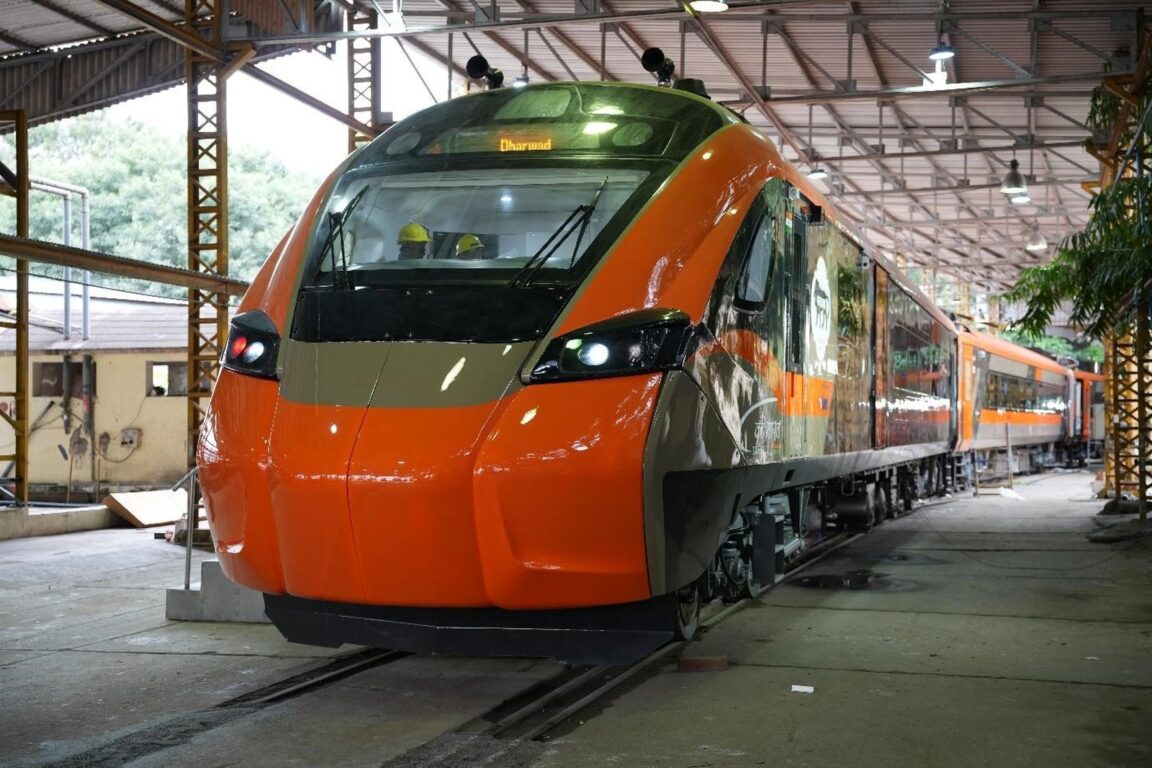
India Vande Bharat sleeper is no longer a prototype story. The first commercial sleeper service launched on 17 January 2026 between Howrah and Kamakhya in Guwahati, and a second service linking Varanasi with New Delhi was flagged off on 31 October 2026 with regular service from 2 November 2026. For a traveler flying into Delhi, the usable facts are these: sleeper trains book through IRCTC like any other reserved train, the advance reservation period is 60 days, there are no RAC tickets on the sleeper services, fares are set per kilometre in a published band, and only the routes actually notified by Indian Railways exist, no matter how many future corridors circulate on social media.
Quick Facts
- First sleeper service: Howrah to Kamakhya, trains 27575 and 27576, launched 17 January 2026, about 966 kilometres in roughly 14 hours.
- Second sleeper service: Varanasi to New Delhi, trains 27421 and 27422, flagged off 31 October 2026, regular service from 2 November 2026, via Prayagraj, Kanpur Central, Aligarh and Ghaziabad.
- Builder: BEML, with technology from the Integral Coach Factory, under the Vande Bharat program.
- Classes: AC sleeper berths in Third AC, Second AC and First AC configurations on the sleeper trainsets.
- Fare basis: A government summary in March 2026 put sleeper fares in a band of Rs 2.40 to Rs 3.80 per passenger kilometre. The notified Third AC fare for Varanasi to New Delhi is Rs 1,915.
- Booking: IRCTC website and app, railway reservation counters and authorized agents. Advance reservation period 60 days.
- Ticket rule: No RAC, meaning no Reservation Against Cancellation tickets, on Vande Bharat sleeper services.
- Rollout target: Up to 12 sleeper trainsets in service by March 2027, per Indian Railways statements.
- Status checked: 16 November 2026.
Which documents do you need, and in what order do officials ask for them?
Booking a sleeper berth is a standard Indian Railways reservation, and the document sequence is the same one used across the reserved network. First comes identity at booking: the passenger name exactly as it appears on government identification, plus age and berth preference in the IRCTC flow. Foreign visitors book with a passport, and IRCTC runs a dedicated international user registration for this purpose. Second comes payment and the PNR, the ten digit booking reference that controls everything that follows. Keep the PNR and the booking confirmation on your phone and as a screenshot, because mobile coverage inside large stations is uneven.
Third comes identity in travel. Carry the same passport or government photo identification used for the booking. The traveling ticket examiner checks the name on the chart against the identification, and a mismatch is the most common avoidable problem foreign visitors meet on Indian overnight trains. Fourth, for visitors, comes the wider India arrival paperwork that sits outside the railway entirely: a valid passport, an Indian visa or e-Visa where required for your nationality, and your arrival details. The railway does not check your visa at the berth, but no sleeper booking fixes an entry problem, so the order that works is passport and visa first, flights second, and train reservations third, once your entry dates are certain.
What are the deadlines that actually matter?
The controlling deadline is the 60 day advance reservation period. Sleeper berths on the two operating corridors are a small inventory, 16 coach trainsets on flagship overnight routes, and the Howrah to Kamakhya service runs six days a week on its launch pattern rather than daily in both directions. Berths in First AC and Second AC sell first. A traveler with fixed dates should book on the day the window opens for the chosen date, which on IRCTC means being logged in, with passenger details saved, before the morning release. The second deadline is chart preparation, typically a few hours before departure, after which unconfirmed waitlist positions resolve. The sleeper services carry no RAC, so a waitlisted ticket that does not confirm does not convert into a shared berth. That single rule changes planning: hold a backup plan, a flight or a daytime chair car Vande Bharat, until your sleeper status shows confirmed.
The third deadline is at the station. New Delhi and Howrah are very large stations with multiple entry points and, in Delhi case, two distinct station buildings in the wider rail complex, New Delhi and Delhi Junction being different places. Arrive at least 45 minutes before an overnight departure, confirm the platform from the live display rather than any printed timetable, and note the coach position indicators on the platform so you are standing where your coach will stop. The Varanasi service departs New Delhi in the evening on its published pattern and reaches Varanasi the next morning, so a same evening flight arrival into Delhi needs a buffer of several hours, not minutes, between landing and the station.
What do the first routes and berth classes offer on board?
The sleeper trainsets were built by BEML using Integral Coach Factory technology, extending the Vande Bharat family from daytime chair cars into overnight stock. The Howrah to Kamakhya train covers about 966 kilometres in roughly 14 hours, leaving Howrah in the evening and arriving the next morning, with stops including Bandel, Nabadwip Dham, Katwa, Azimganj, New Farakka, Malda Town, New Jalpaiguri, New Cooch Behar, New Bongaigaon and Rangiya on the launch era stopping pattern. The Varanasi to New Delhi train covers its corridor in about nine and a half hours overnight, with intermediate stops at Prayagraj, Kanpur Central, Aligarh and Ghaziabad, running six days a week in each direction on offset days.
Berth classes follow the familiar Indian AC ladder. Third AC is the value tier and the one with the notified Rs 1,915 fare on Varanasi to New Delhi. Second AC gives fewer berths per bay, curtains and more space. First AC gives lockable compartments and the quietest ride. Bedding is provided in AC sleeper classes. Food arrangements on Vande Bharat services follow the catering pattern notified for the specific train, so check the booking page for whether meals are included or sold on board, and carry water and a small evening provision from the station as insurance on any Indian overnight service. For trip context beyond the railway, our guide to building a first big Asia rail itinerary, starting with Tokyo, and our Busan itinerary built around a high speed rail arrival show how we plan station to hotel transfers in unfamiliar cities.
Which future routes are confirmed, and which are only talk?
Discipline matters here, because the sleeper rollout attracts speculation. Confirmed and operating, as of this check on 16 November 2026: Howrah to Kamakhya, and Varanasi to New Delhi. Approved and in testing in recent reporting: Bengaluru to Mumbai, with a rake under trial in Bengaluru and a launch expected once trials and timetable notification complete. Announced in February 2026 for a winter launch: Delhi to Amritsar via Chandigarh, Ludhiana and Jalandhar. Everything else, including Delhi to Mumbai and Delhi to Howrah as sleeper services, remains unconfirmed discussion, however plausible the corridors are. Indian Railways has set a target of up to 12 sleeper trainsets by March 2027, which guarantees more routes, but a target is not a timetable. Book only what IRCTC will sell you for your date, and treat any route you cannot book as a route that does not yet exist.
Frequently Asked Questions
How do I book a Vande Bharat sleeper ticket?
Through the IRCTC website or Rail Connect app, at railway reservation counters, or through authorized agents. Search by train number, 27575 and 27576 for Howrah to Kamakhya, or 27421 and 27422 for Varanasi to New Delhi, within the 60 day advance reservation period.
What identification do I need to travel?
The government photo identification used at booking. Foreign visitors should carry the passport used for the reservation. The ticket examiner checks the name against the chart during the journey.
How much does the sleeper cost?
Fares sit in a published band of Rs 2.40 to Rs 3.80 per passenger kilometre. As a concrete example, the notified Third AC fare for Varanasi to New Delhi is Rs 1,915. Check IRCTC for the fare on your route, class and date.
What does no RAC mean for my booking?
It means there are no Reservation Against Cancellation tickets. A waitlisted sleeper booking either confirms to a berth before charting or it does not travel. Keep a backup plan until your status is confirmed.
Which sleeper routes are running now?
Two, as of November 2026: Howrah to Kamakhya, launched 17 January 2026, and Varanasi to New Delhi, with regular service from 2 November 2026. Bengaluru to Mumbai is in testing, and more routes are targeted through March 2027.
I am flying into Delhi. Which station do I use?
The Varanasi sleeper uses New Delhi station. Do not confuse it with Delhi Junction, which is a different station. Arrive at least 45 minutes early and confirm the platform on the live displays.