 LeVar Thomas
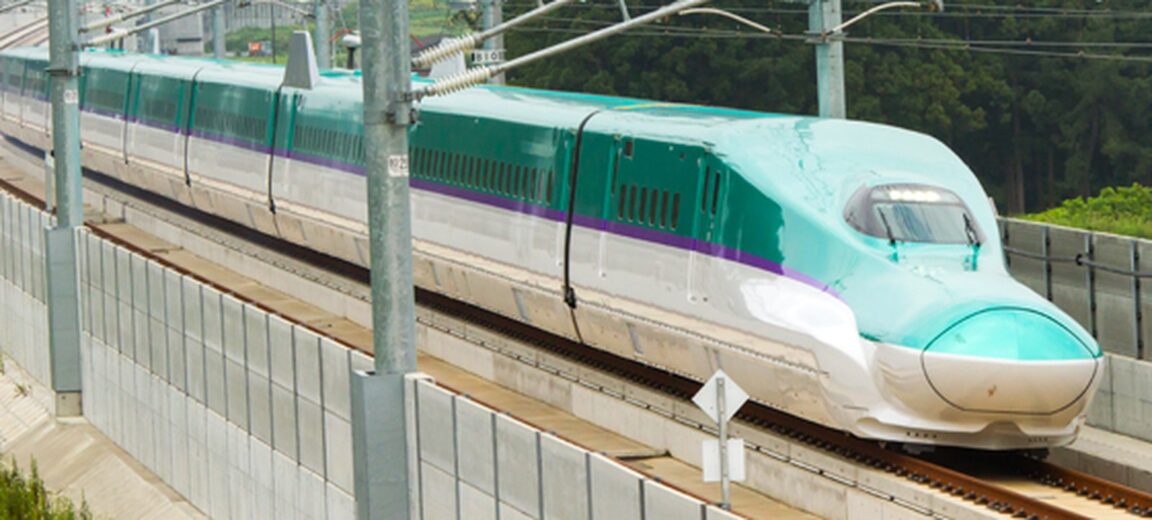
The Hokkaido Shinkansen will not reach Sapporo until around the end of fiscal 2038 at the earliest, roughly eight years later than the original end of fiscal 2030 target, and officials warn it could slip further. There is no application to file, no eligibility test and no fee for travelers to worry about. The delay is a construction story, driven by long tunnels through difficult ground. For anyone planning a Tokyo to Sapporo trip in the next decade, the working route stays the same as today: a Hayabusa Shinkansen from Tokyo to Shin-Hakodate-Hokuto in just under four hours, then a limited express train onward to Sapporo, or a flight for the fastest door to door time.
Quick Facts
- Current line: Shin-Aomori to Shin-Hakodate-Hokuto, 148.8 kilometres, opened 26 March 2016, operated by JR Hokkaido.
- Extension: Shin-Hakodate-Hokuto to Sapporo, 211.8 kilometres, with about 80 percent of the route in tunnel.
- Original target: Opening by the end of fiscal 2030.
- Revised outlook: Around the end of fiscal 2038, announced after a Ministry of Land, Infrastructure, Transport and Tourism expert panel review in March 2025.
- Further risk: The Japan Railway Construction, Transport and Technology Agency has said a further delay of several years is possible.
- Fastest current Tokyo rail time: Tokyo to Shin-Hakodate-Hokuto in 3 hours 57 minutes by Hayabusa, then about 3 hours 30 minutes by limited express to Sapporo.
- Cost benefit signal: A Ministry of Finance estimate in April 2026 put the extension cost benefit ratio at 0.6, below the 1.0 threshold used for new Shinkansen construction.
- Status checked: 16 November 2026.
Who qualifies for the Sapporo extension, and what does that question really mean?
Travelers sometimes read a headline about a delayed line as if it were a visa program, with qualifying rules and a filing order. A Shinkansen extension has none of that. No passenger qualifies or fails to qualify. When the line opens, anyone holding a valid ticket for the route will be able to ride it, including visitors using a national rail pass if pass terms at that future date cover the service. Until it opens, nobody can ride it at any price, and no advance registration, waitlist or permit changes that.
The decisions that do exist sit with institutions, not travelers. The builder is the Japan Railway Construction, Transport and Technology Agency, known as JRTT. The operator will be JR Hokkaido. The ministry that oversees the program is the Ministry of Land, Infrastructure, Transport and Tourism, known as MLIT. In May 2024 JRTT reported to the minister that completion by the end of fiscal 2030 had become extremely difficult because ground conditions were worse than expected and crews had met massive rock masses in the tunnels. An expert panel then worked through the schedule risk, and its findings, published in March 2025, put completion and opening at around the end of fiscal 2038 if high probability risks materialize, with several more years of delay possible if larger risks appear. The panel also advised that a firm opening date should only be set once tunnel breakthrough is reasonably in sight.
Why did eight years disappear into the tunnels?
Geography is the short answer. Of the roughly 212 kilometres between Shin-Hakodate-Hokuto and Sapporo, about 169 kilometres, close to 80 percent, run underground. The route crosses the mountainous spine of southern and central Hokkaido, and Japanese reporting on the works describes unstable ground, water and mud inflows, and a river section that ran dry after tunneling disturbed groundwater. The Yotei Tunnel is among the sections where a huge rock mass slowed progress. Long tunnels cannot be rushed by adding workers at the face in the way a surface project can add crews, so each difficult section moves the whole opening date.
Money is the second answer. Construction costs across Japan have risen sharply, and in April 2026 the Ministry of Finance recalculated the extension cost benefit ratio at 0.6. That figure does not cancel the project, because construction is already deep underway, but it frames the political debate travelers may see in headlines: a line whose measured benefits now sit well below its costs on the standard formula, in a region with a shrinking population. Sapporo Station redevelopment adds a visible symptom in the city itself. The JR Hokkaido tower at the station south exit is due to finish in fiscal 2029, years before the Shinkansen platforms below it can welcome a train.
What does the delay cost a traveler planning Tokyo to Sapporo now?
In money, nothing changes, because the current route was already the only route. In time, the delay preserves a journey that air travel beats easily. The fastest Hayabusa covers Tokyo to Shin-Hakodate-Hokuto in 3 hours 57 minutes. A change there to the limited express Hokuto adds about 3 hours 30 minutes to Sapporo, for a rail total of roughly seven and a half hours before station time. A flight from Tokyo Haneda to New Chitose Airport, followed by the airport train to Sapporo in about 37 minutes, is far quicker, which is why most visitors fly this city pair today.
The extension was designed to change that balance. A through Shinkansen to Sapporo would have brought Tokyo to Sapporo rail time close to the four hour mark that Japanese planners treat as the point where trains compete head on with planes. Pushing that moment from 2030 to 2038 means another decade in which Hokkaido trips are planned around flights and the Seikan Tunnel rail route stays a scenic, slower alternative rather than the default. Travelers who love the train should still take it once, ideally in daylight for the tunnel approach and the Hokkaido countryside, but should not build a tight itinerary on it. Our first time Tokyo itinerary shows how to give the capital its own days before heading north, and our Japan spring packing guide covers the layers a Hokkaido leg demands in the shoulder seasons.
What is the order to plan in, if you are traveling before 2038?
Start with the mode choice, because it drives everything else. If your trip is short, fly Tokyo to New Chitose and take the JR airport train to Sapporo. If your trip is long and you are already using a rail pass through Tohoku, ride the Hayabusa to Shin-Hakodate-Hokuto, stay a night in Hakodate, and continue to Sapporo the next morning rather than chaining the full seven and a half hours in one push. Book reserved seats for the Hayabusa and the limited express as soon as your dates are fixed, especially in snow festival season in February and in the summer holiday peak, when Sapporo bound trains fill from the Tokyo end.
Then plan for winter honestly. Hokkaido Shinkansen and limited express services run in serious snow, and JR Hokkaido manages ice and snow buildup on train underframes as a routine part of operations. Delays in January and February are a known pattern, not a surprise. Leave a buffer before any flight home from Sapporo, and keep the JR Hokkaido service status page as your morning check on travel days. None of this requires a filing, a portal or an agent. It requires a ticket, a seat reservation and a realistic timetable, all of which exist today for the current line.
When should travelers revisit this story?
Watch for tunnel breakthroughs. The expert panel logic means the opening date only firms up when the major tunnels are through, so each reported breakthrough on the long bores, including the Shiribeshi Tunnel, which broke through in June 2026, is a genuine progress marker. Watch also for the formal setting of an opening year by MLIT, which will replace the current around the end of fiscal 2038 formulation. Until that announcement, hotel and tour marketing that implies a Sapporo Shinkansen arrival before the late 2030s should be read as speculation.
Frequently Asked Questions
When will the Shinkansen reach Sapporo?
Around the end of fiscal 2038 on the current official outlook, revised from the end of fiscal 2030. The builder warns a further delay of several years is possible, and no firm opening date has been set.
Can I take the Shinkansen to Sapporo today?
No. The Shinkansen ends at Shin-Hakodate-Hokuto. From there, the limited express Hokuto takes about 3 hours 30 minutes to Sapporo, or you can fly to New Chitose Airport and ride the airport train into the city.
How long does Tokyo to Sapporo take by train now?
About seven and a half hours in total: 3 hours 57 minutes on the fastest Hayabusa to Shin-Hakodate-Hokuto, plus about 3 hours 30 minutes on the limited express, plus connection time.
Why was the extension delayed?
About 80 percent of the new line is tunnel, and crews met worse ground than expected, including massive rock masses and water inflows. Rising construction costs added pressure, and a 2026 finance ministry estimate put the cost benefit ratio at 0.6.
Do I need to apply or register to use the extension when it opens?
No. There is no eligibility process for passengers. When the line opens, travel will work like any other Shinkansen route, with a ticket and, where required, a seat reservation.
Is the current Hokkaido Shinkansen worth riding?
Yes, if you have the time. It links Tokyo with Hakodate in under four hours through the Seikan Tunnel and pairs well with a night in Hakodate before the onward ride to Sapporo.