 Elena Vasquez
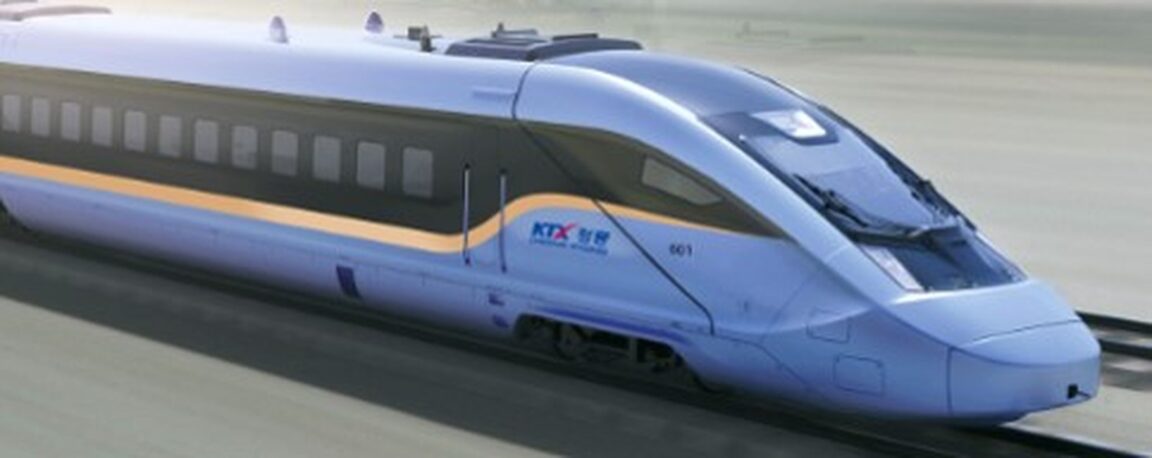
The KTX-Cheongryong is South Korea fastest train type in regular service, a Korail high speed train that entered service on 1 May 2024 on the Gyeongbu line to Busan and the Honam line to Gwangju, with a fastest Seoul to Busan time of 2 hours 17 minutes and a design speed of 320 kilometres per hour. For a traveler arriving in Seoul, the practical points are few and useful: Cheongryong services stop at fewer stations, they are booked in exactly the same Korail channels as every other KTX, the standard Seoul to Busan fare is KRW 54,400 following the September 2026 integration of KTX and SRT services, and since October 2026 tickets go on sale two months before departure.
Quick Facts
- Train: KTX-Cheongryong, built by Hyundai Rotem, operated by Korail.
- Entered service: 1 May 2024.
- Design speed: 320 kilometres per hour. Current operation runs at up to 305 kilometres per hour until the Pyeongtaek to Osong capacity upgrade opens.
- Main routes: Gyeongbu high speed line, Seoul and Haengsin to Busan. Honam high speed line, Seoul and Yongsan to Gwangju Songjeong.
- Fastest times: Seoul to Busan in 2 hours 17 minutes, stopping at Daejeon and Dongdaegu. Yongsan to Gwangju Songjeong in 1 hour 36 minutes.
- Fare benchmark: Seoul to Busan standard class at KRW 54,400, per Korail August 2026 announcement effective with the 1 September 2026 service integration.
- Booking window: Two months before departure from 1 October 2026, on sale from 07:00 Korea time, via Korail website and the KORAIL Plus app.
- Status checked: 16 November 2026.
What makes the Cheongryong different from other KTX trains?
Acceleration is the headline. The Cheongryong uses distributed power, with motors spread through the train rather than concentrated in power cars at each end, following the design path of the earlier KTX-Eum. Korail figures reported at launch show the train reaching 300 kilometres per hour in 212 seconds, against 316 seconds for the KTX-Sancheon it supplements. Faster acceleration matters on Korean geography, where high speed stations are close enough together that a train spends much of its journey speeding up and slowing down. The aluminium body keeps weight down, and the streamlined nose is tuned for the 320 kilometre per hour design speed.
That top speed is a future story. The busiest section of the network, between Pyeongtaek and Osong, is shared by Gyeongbu and Honam services and limits how fast and how often trains can run. Until the planned doubling of that section opens, Cheongryong services operate at the same 305 kilometre per hour ceiling as the rest of the KTX fleet. Korail plans to expand the Cheongryong fleet with additional sets through 2027 and to use the full speed capability as infrastructure allows toward 2028. For travelers, the honest summary is that the Cheongryong is already the quickest way between Seoul and Busan because of its stopping pattern and acceleration, and it has headroom to get quicker.
Which routes does it run, and where do you board in Seoul?
On the Gyeongbu line, Cheongryong services link Seoul with Busan, calling at Daejeon and Dongdaegu on the fastest patterns, with some services starting at Haengsin, west of central Seoul. On the Honam line, services run from Seoul and Yongsan to Gwangju Songjeong, with the fastest Yongsan to Gwangju Songjeong time at 1 hour 36 minutes. Frequencies are modest compared with the all day KTX-Sancheon pattern, at around one to two round trips a day on each corridor in the launch era timetables, so the Cheongryong is a train to aim for when its departure suits your plan, not a service you can simply turn up for every hour.
Boarding in Seoul depends on the service. Seoul Station, in the city centre with the AREX airport railroad to Incheon, is the main Gyeongbu departure point. Yongsan Station is the traditional Honam line terminal. Since 1 September 2026, the former SRT services from Suseo Station in south eastern Seoul are also sold as KTX, after the government merged the two high speed brands, and the SRT app and website closed on 31 August 2026. Suseo departures are not Cheongryong services by default, so check the train type in the search results if the specific train matters to you, and always check whether your departure is Seoul, Yongsan or Suseo before you set off across the city. Our three day Busan itinerary pairs naturally with a Cheongryong ride south, and our South Korea e-Arrival Card guide covers the entry form to complete before you land.
What do seats, classes and fares look like?
Cheongryong trains offer the standard KTX two class layout, standard class and first class, with first class giving wider seating and more legroom. The train was designed with more passenger space than earlier KTX types, wider seats and power outlets and USB charging at seats, addressing the most common complaints about the original KTX fleet. Luggage space remains the familiar Korean pattern of overhead racks plus storage at car ends, so travelers with large cases should board early and use the end racks rather than the aisle.
On fares, use the post integration benchmark. Korail announced in August 2026 that fares would fall by an average of about 10 percent to the old SRT level when services merged on 1 September 2026, giving Seoul to Busan at KRW 54,400, down from KRW 59,800. First class costs more, weekend and holiday pricing follows the Korail fare calendar, and advance purchase discounts appear on selected departures. Foreign visitors can also weigh a Korea Rail Pass for multi city trips, but for a single Seoul to Busan return the point to point fare is usually the cleaner comparison. Confirm the fare for your exact train in the Korail booking flow, because the Cheongryong label does not carry its own separate fare table.
What about land borders, ferries and onward island trips?
South Korea is a peninsula, and the Cheongryong network touches its onward travel edges in ways worth flagging. There is no passenger rail crossing into North Korea, so no KTX journey continues over a land border. For islands, the railheads connect to ferry ports rather than to the islands themselves. Busan, the Gyeongbu terminus, is the main ferry gateway to Jeju and to Japan, including services to Fukuoka and Shimonoseki, and Busan Station sits a short walk from the passenger terminals. Mokpo, at the end of the Honam corridor beyond Gwangju, is the classic ferry port for Jeju and the south western islands. Jeju itself has no railway, so every rail plus island itinerary ends with a ferry or a short flight. Travelers combining a Cheongryong ride with a yacht charter or a cruise departure in Busan should allow a generous buffer, because ferry and cruise check in deadlines are fixed even when trains run late, which on this network is rare but not unknown in winter weather.
Frequently Asked Questions
How fast is the KTX-Cheongryong?
Its design speed is 320 kilometres per hour. In current service it runs at up to 305 kilometres per hour, the same ceiling as other KTX trains, until the Pyeongtaek to Osong upgrade allows higher speeds.
How long does Seoul to Busan take on the Cheongryong?
The fastest services take 2 hours 17 minutes, stopping at Daejeon and Dongdaegu. Services with more stops take longer, so check the pattern for your specific train.
How much is a Seoul to Busan ticket?
Korail gives KRW 54,400 for standard class following the 1 September 2026 integration of KTX and SRT fares. First class and peak departures cost more. Confirm the live fare when you book.
Where do I book Cheongryong tickets?
On the Korail website, in the KORAIL Plus app, at station machines and counters. Since 1 October 2026, tickets go on sale two months before departure, from 07:00 Korea time.
Which Seoul station does the Cheongryong use?
Gyeongbu services mainly use Seoul Station, with some starting at Haengsin. Honam services use Seoul and Yongsan. Check the station on your ticket, because Suseo departures are a separate pattern.
When did the Cheongryong enter service?
On 1 May 2024, on the Gyeongbu and Honam high speed lines. Korail plans further fleet expansion through 2027.