 Hana Kim
Eating well in Ponta Delgada means building your days around three things: the cheese counters at Mercado da Graca and the city’s two famous cheese shops, where Sao Jorge DOP and a dozen other island cheeses are cut to order; petiscos plates of grilled limpets, blood sausage with pineapple and tuna in the old town taverns; and a morning at a working pineapple plantation in Faja de Baixo, where the protected Ananas dos Acores grows in glasshouses for about two years before it is picked. Add one day trip east to Furnas for cozido cooked in volcanic ground and bolo levedo still warm from the oven, and you have the complete Sao Miguel food circuit without a single tourist menu.
Quick Facts
- Anchor market: Mercado da Graca, Rua do Mercado, built in 1848; go in the morning, and note it does not trade on Sundays
- Cheese to learn first: Queijo Sao Jorge DOP, raw cows milk, made only on Sao Jorge island, aged a minimum of 3 months and sold at 4, 7, 12 and 24 months
- Cheese shops: O Rei dos Queijos by the market and O Principe dos Queijos in the centre stock cheeses from across the nine islands
- Signature petisco: Lapas, grilled limpets with garlic butter and lemon
- Signature pairing: Morcela blood sausage served with sweet Sao Miguel pineapple
- Protected fruit: Ananas dos Acores DOP, grown only on Sao Miguel, in glasshouses, over a cycle of about 2 years, with smoke used to trigger flowering
- Plantation visits: Augusto Arruda in Faja de Baixo, open to visitors since 1919, and the Plantacao de Ananas dos Acores, both on the edge of the city
- Day trip dish: Cozido das Furnas, a meat and vegetable stew slow cooked in volcanic soil at Furnas, about 40 minutes east
- Bread to order everywhere: Bolo levedo, the soft, slightly sweet Furnas muffin bread, toasted with butter or island cheese
- Tavern rule: The most loved old town tavern, A Tasca on Rua do Aljube, takes no reservations; queue early or expect a wait
Where should a food traveller start in Ponta Delgada?
Start at Mercado da Graca on Rua do Mercado, the municipal market hall that has served the city since 1848. Mornings are the market: fish landed that day, island vegetables, flowers, butchers, and the produce that defines Sao Miguel cooking, above all the small, intensely fragrant glasshouse pineapples and the cheese stalls. Published hours have long run from 7 am, closing at 2 pm on Saturdays and all day Sunday, but stall holders keep their own rhythms and the hall has been through renovation works in recent years, so treat any printed timetable as a guide, arrive before midday, and confirm on the day. Everything else in this guide radiates from the market: the King of Cheese sits by it, the old town taverns are a short walk south, and the pineapple greenhouses begin at the city’s northern edge.
For the wider island context behind these flavours, our Sao Jorge why go guide covers the island where the most famous cheese is made, and our Angra do Heroismo food guide does the same job for Terceira, the natural second island on an Azores food trip.
Which Sao Miguel and Azorean cheeses should you taste first?
Cheese is the Azores’ great edible export, and Ponta Delgada is where the archipelago’s production lands in one place. The cheese to understand first is Queijo Sao Jorge. It is a firm, yellowish, semi hard to hard cheese made exclusively on Sao Jorge island from raw cows milk, protected since 1986 as a demarcated region and holding European DOP status since 1996. Wheels weigh roughly 8 to 12 kilos, mature for a minimum of three months at 12 to 14 degrees, and are sold at ages including 4, 7, 12 and 24 months. Young Sao Jorge is buttery and mildly tangy; the older wheels turn firm, crystalline and quietly spicy. Every certified wheel carries a numbered casein seal and must pass the tasting panel of the Sao Jorge Cheese Brotherhood, so look for the DOP seal rather than the word ilha on a label, because ilha style cheeses from the same island can be younger and made with pasteurised milk.
On Sao Miguel itself, order queijo fresco, the soft fresh cheese served in cafes with pimenta da terra, the local red pepper sauce, as the standard island starter. Then taste across the islands at a counter: Pico’s tangy wheels, Graciosa and Santa Maria cheeses, and the aged black rind Sao Miguel cheese sold for grating and for eating with pineapple or local bread. The two shops built for exactly this are O Rei dos Queijos, the King of Cheese beside the market, and O Principe dos Queijos, the Prince of Cheese in the centre, founded by Milton Bernardo. Both stock butters, jams, honey, liqueurs and wines alongside the cheese, both will talk you through ages and islands, and a guided cheese tasting in the city, which typically works through up to six Azorean cheeses with regional wines, jams and artisan breads, is the fastest education available if your time is short.
What are lapas, and where do locals order them?
Lapas are limpets, gathered from Sao Miguel’s rocky shore and grilled in the shell with garlic butter and a squeeze of lemon. They arrive sizzling, a dozen or more to a plate, and they are eaten with a small fork and bread for the butter. Order them wherever petiscos lead the menu in the old town. The reference address is A Tasca at Rua do Aljube 16, a tavern whose menu is printed like a newspaper and whose kitchen sends out the city’s most talked about small plates: limpets, morcela with pineapple, sesame crusted tuna, octopus and pork ribs among them. A Tasca takes no reservations at all. Names go on a list at the door, waits of 40 to 60 minutes are normal at peak times, and the local pattern is to arrive early, before the evening rush, rather than late and hopeful.
For a different register, Tasquinha Vieira on Rua Antonio Joaquim Nunes da Silva 21, open since October 2017, works around an open kitchen and small sharing plates that change with the seasons, with dishes in recent years running from marinated mackerel and yam puree from Furnas to fish of the day. Between the tavern and the tasting plates, those two rooms cover how Ponta Delgada actually eats now: traditional petiscos on one side, a younger, chef led reading of the same island ingredients on the other.
Why does pineapple grow in the Azores, and how do you visit a plantation?
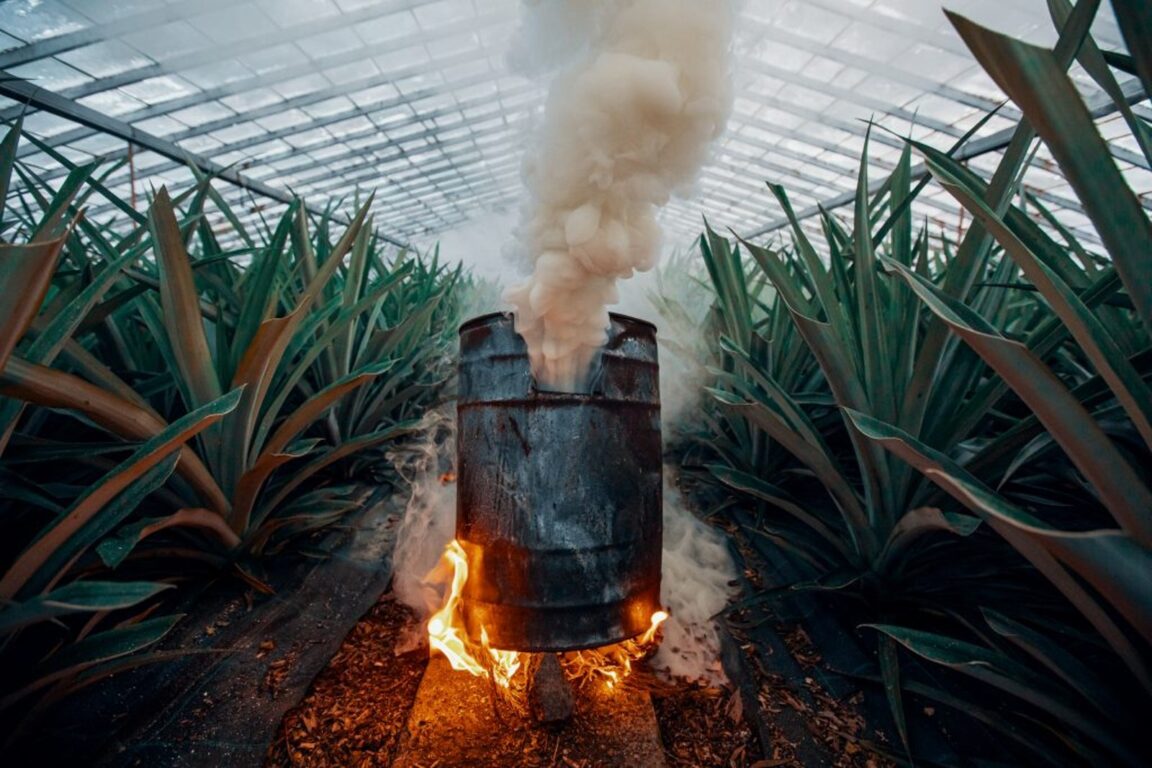
Because the island needed it to. Pineapple arrived in the 19th century as an ornamental greenhouse plant, and when Sao Miguel’s orange trade collapsed under disease and competition, growers turned the glasshouses to fruit. The first commercial exports left for England in 1864, and in 1996 the Ananas dos Acores received DOP protection as a product made only on Sao Miguel. The method is unique: plants grow in whitewashed wood and glass greenhouses on hot beds of plant material, and part way through the cycle barrels of burning organic matter are set along the central path so the smoke triggers flowering, the moment captured in the featured photograph at the Plantacao de Ananas dos Acores. From rhizome to harvest takes about two years, through eight distinct production stages, which is why a true Sao Miguel pineapple is small, costly and almost never exported in quantity.
Two plantations welcome visitors at the edge of the city. The Augusto Arruda plantation in Faja de Baixo has received visitors since 1919; entry has traditionally been free, and the walk passes greenhouses at every growth stage before a shop selling fruit, juice and the family’s pineapple liqueur. The Plantacao de Ananas dos Acores runs the fuller visitor experience, with guided explanation of each stage and tastings of pineapple products. Go in the morning, pair it with the market, and buy fruit at the plantation shop or the market rather than a supermarket: the difference between a glasshouse ripened ananas and an imported pineapple is the whole point of the visit. The same fruit explains the island’s favourite savoury pairing, morcela blood sausage fried and served with sweet pineapple, which appears on tavern menus across the city.
What should you eat on a day trip to Furnas?
Furnas, the volcanic valley town about 40 minutes east of Ponta Delgada, contributes two essentials. The first is cozido das Furnas: a layered pot of meats, sausage and vegetables sealed and lowered into the hot volcanic ground by the lake, where it slow cooks for hours in geothermal heat. Restaurants in the village serve it at lunch; it is rich, earthy and unmistakably of the place, and ordering ahead is the norm because pots are limited. The second is bolo levedo, the round, soft, faintly sweet bread that originated in Furnas and is now Sao Miguel’s default bread, served toasted with butter at breakfast, under island cheese as a snack, and as the bun for burgers across the island. You will also find queijadas, the small cheese tarts associated with Vila Franca do Campo on the drive east, worth a bakery stop in their home town. Tea completes the north coast version of this trip: commercial tea has grown on Sao Miguel’s wet north coast since the 19th century, and the Gorreana plantation, dating to 1883, is the working name to look for on menus and market shelves.
How do you put a Ponta Delgada food day together?
Begin at Mercado da Graca as the stalls open, with coffee, queijo fresco and a first pineapple tasting, then walk the cheese counters at O Rei dos Queijos and put together a picnic grade selection: a wedge of seven month Sao Jorge, a fresh cheese, bolo levedo and pineapple jam. Late morning belongs to Faja de Baixo and a plantation walk. Lunch is petiscos back in the old town, limpets first. Keep the afternoon for O Principe dos Queijos and the waterfront, then decide your evening: the queue at A Tasca for the full tavern circuit, or the seasonal sharing plates at Tasquinha Vieira. Save Furnas for a full second day rather than squeezing cozido into the same afternoon, and if your trip crosses islands, our Azores packing guide covers the inter island flight and weather realities that shape any multi island eating itinerary.
Frequently Asked Questions
What is the difference between Sao Jorge DOP cheese and ilha cheese?
Queijo Sao Jorge DOP must be made on Sao Jorge island from raw cows milk, aged at least three months under regulated conditions, and pass the Brotherhood’s tasting panel. Ilha style cheeses are island cheeses in a looser sense and can be younger or made with pasteurised milk, so the DOP seal is the reliable marker.
When is Mercado da Graca open?
Published hours run from 7 am on trading days, with an early Saturday close and no Sunday trading, but individual stalls vary and renovation works have affected the hall in recent years. Go in the morning and confirm locally on the day.
Can you just walk into A Tasca?
Yes, and that is the only way in: A Tasca takes no reservations. Put your name on the list at the door, arrive early, and expect a wait of up to an hour at peak times.
How long does an Azorean pineapple take to grow?
About two years, through eight production stages in glasshouses, including a smoke treatment that triggers flowering. The fruit holds DOP status and is produced only on Sao Miguel.
Is the Arruda pineapple plantation free?
Entry to the Augusto Arruda plantation in Faja de Baixo has traditionally been free, with tastings and a shop selling pineapple products and liqueur. Check current arrangements on arrival, as visitor operations can change.
What one dish should a first timer not leave Sao Miguel without trying?
Cozido das Furnas, cooked in volcanic ground at Furnas. In the city itself, the equivalent essential order is grilled lapas with garlic butter, followed by morcela with pineapple.
Featured image: A smoke barrel burning between pineapple rows inside a glasshouse at the Plantacao de Ananas dos Acores near Ponta Delgada, the traditional flowering trigger in the two year growing cycle. Photo: Plantacao de Ananas dos Acores, via its own official website (ananasdosacores.pt). Facts checked against the Ananas dos Acores official site, EU and UK protected food name registers for Queijo Sao Jorge and Ananas dos Acores, Visit Azores market material and the restaurants’ own listings on 17 November 2026.