 Omar Haddad
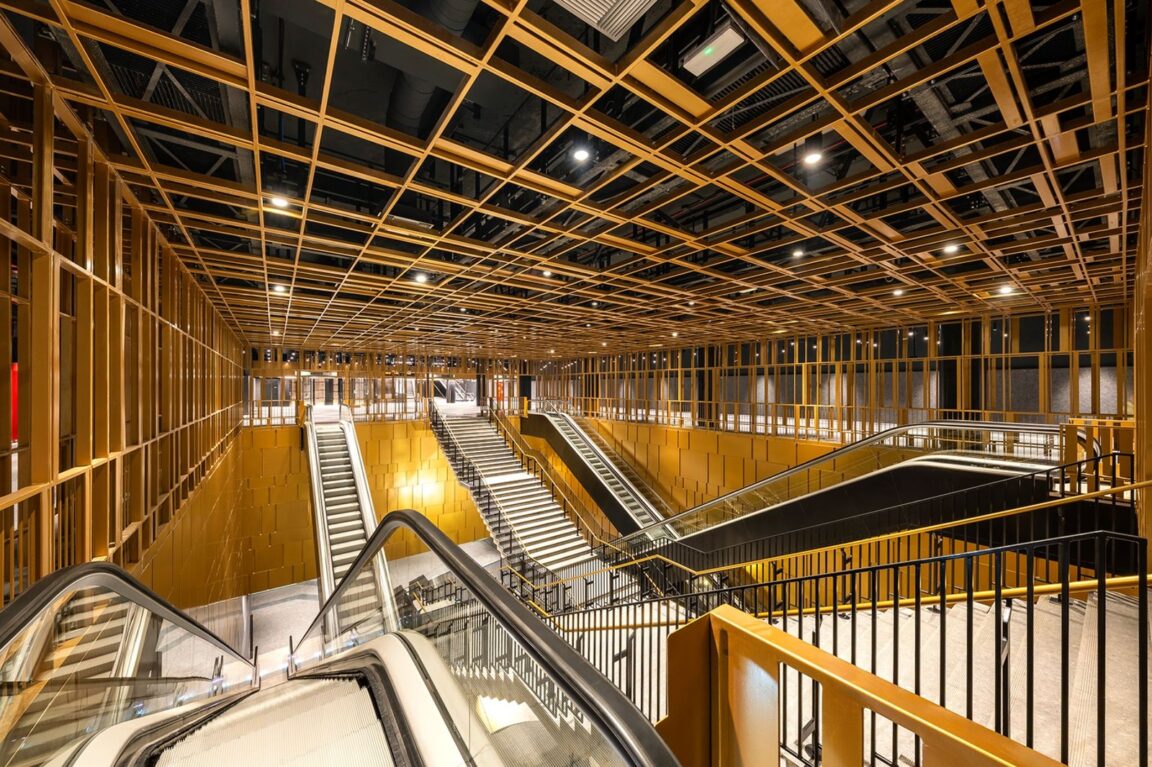
Rome Metro Line C really does reach the Colosseum now, and unlike many long promised Roman openings, this one already happened. The Colosseo Fori Imperiali and Porta Metronia stations opened to the public on 16 December 2025, confirmed by the Metro C consortium led by Webuild and Vianini Lavori, which built the stations for Roma Metropolitane on behalf of Roma Capitale. Line C now runs from Monte Compatri Pantano in the eastern suburbs through San Giovanni, where it meets Line A, to a new interchange with Line B at Colosseo, 24 stations over about 21 kilometres. For a visitor, the change is concrete: the Colosseum, the Roman Forum and Via dei Fori Imperiali now have two metro lines instead of one, and the new station is a museum in its own right, built around the archaeology its own excavation uncovered.
Quick Facts
- Opening date: 16 December 2025 for Colosseo Fori Imperiali and Porta Metronia, the San Giovanni to Colosseo section of Line C.
- Interchange: Colosseo Fori Imperiali connects directly to the existing Colosseo station on Line B, open since 1955.
- Line C today: 24 stations, about 21 kilometres, from Monte Compatri Pantano to Colosseo Fori Imperiali, driverless trains.
- Station depth: Colosseo Fori Imperiali reaches about 32 metres deep, with four underground levels, beneath Via dei Fori Imperiali between the Colosseum and the Basilica of Maxentius.
- Other interchange: San Giovanni, with Line A, open since 12 May 2018.
- Next section: Venezia station is under construction. It is not open, and no visitor should plan around it.
- Ticket: Standard ATAC tickets cover Metro lines A, B and C as one network, including the BIT ticket valid for one metro journey within its 100 minute validity.
What exactly opened at the Colosseum?
Two stations opened together. Colosseo Fori Imperiali is the headline, a station 30 to 50 metres wide and up to 32 metres deep, with four underground levels and a direct connection to the Line B Colosseo stop. Porta Metronia, by Piazzale Ipponio next to the Aurelian Walls, is the intermediate station between San Giovanni and Colosseo, five levels deep and up to 30 metres below street level. Together they added about three kilometres of line. The inaugural journey on 16 December 2025 carried the Minister of Infrastructure and Transport Matteo Salvini, Culture Minister Alessandro Giuli and Mayor of Rome Roberto Gualtieri, a guest list that tells you how long Rome had waited for a third line to touch its historic centre. Construction of the Colosseo interchange began in April 2013, so the station took more than twelve years from first works to first passengers.
Why did this station take more than a decade of archaeology?
Because digging a station box under Via dei Fori Imperiali means digging through the centre of ancient Rome, in order, layer by layer. Line C used a method its builders call archaeological top down construction, in which intermediate slabs are installed progressively as excavation advances from the top down, keeping the structure stable while archaeologists work. Across the whole line, the project carried out about 625,000 cubic metres of archaeological excavation under the guidance of the Ministry of Culture and the relevant superintendencies. At Porta Metronia, excavations revealed a vast military compound from the second century AD, including a commander house with frescoes and mosaic floors, and the station design was redefined to preserve and display it. At Colosseo, finds included the remains associated with the city Nero rebuilt after the Great Fire of 64 AD, and the station museum, curated and funded by the Colosseum Archaeological Park with the Sapienza University of Rome, walks passengers from the entrance down to the platforms through that material.
Colosseo Fori Imperiali and Porta Metronia are two of six planned archeo stations on Line C, alongside San Giovanni, which already displays its finds, Venezia, now under construction, and Chiesa Nuova and San Pietro, still at design stage. The honest way to use them as a visitor is to allow time. A change of trains here is not a two minute dash through a tiled corridor. It is a descent past display cases, and it rewards anyone who builds ten unhurried minutes into a Forum morning.
How do you ride the new section, step by step?
Start anywhere on Line C in the east, at San Giovanni from Line A, or at Colosseo itself from Line B. Trains are driverless, so stand at the front window if you want the tunnel view children compete for. If you arrive on Line B, follow the Line C signs inside Colosseo station rather than exiting to the street. The connection is internal, and your single metro journey on a BIT ticket covers the change, because a BIT allows one continuous metro journey with line changes inside the system. If you arrive on Line C and want the Colosseum, exit at Colosseo Fori Imperiali and follow signs to Piazza del Colosseo. You surface beside Via dei Fori Imperiali, with the amphitheatre in front of you and the Forum and Palatine entrances a short walk west. For the Aurelian Walls and the San Giovanni in Laterano basilica quarter, Porta Metronia is the better exit, one stop east.
Rome rewards pairing the new line with older pleasures. Our Matera cave city guide covers the other Italian city where every excavation finds an older city underneath, and our guide to what to eat in Naples plans the natural onward trip south, an easy train ride from Roma Termini.
What has the opening changed for a Rome trip?
Three things, in order of importance. First, redundancy. When Line B is disrupted, and it is disrupted often enough that locals plan around it, the Colosseum area now has a second line with a different route into the centre via San Giovanni and Line A. Second, access from the east. Visitors staying along Line C, or arriving from the eastern suburbs and the Castelli direction, no longer need to ride to Termini and double back. Third, distribution. Porta Metronia opens a quieter approach to the Lateran quarter, so a morning that pairs San Giovanni in Laterano with the Colosseum can now start at the nearer, calmer station and walk downhill through the archaeology rather than arriving with the full Termini crowd.
What it has not changed matters too. Line C still ends at Colosseo. The extension to Venezia, and beyond it toward Chiesa Nuova, San Pietro, Ottaviano and Mazzini, is a construction and design program measured in years, with Venezia the only next station physically under construction. Do not let any map that draws the full 29 kilometre, 31 station line to Farnesina convince you it exists. Today the line that exists is Pantano to Colosseo, 24 stations, and that is already the most useful Roman metro opening in a generation.
Frequently asked questions
When did Rome Metro Line C reach the Colosseum?
On 16 December 2025, when Colosseo Fori Imperiali and Porta Metronia opened and Line C gained its interchange with Line B at Colosseo.
Is Colosseo on Line C the same station as Colosseo on Line B?
It is one interchange complex. The Line B station dates from 1955, and the Line C station, named Colosseo Fori Imperiali, connects to it directly underground, so you change lines without going to the street.
What can you see inside the new station?
A station museum developed by the Colosseum Archaeological Park with Sapienza University displays finds from the excavation, and at Porta Metronia the preserved remains include a second century military compound with a commander house, frescoes and mosaics.
Does Line C go to Piazza Venezia or the Vatican yet?
No. Venezia station is under construction and the stations beyond it are at executive or final design stage. Line C today terminates at Colosseo Fori Imperiali.
Which ticket do I need for Line C?
Any standard ATAC integrated ticket. The BIT ticket covers one metro journey, including an internal change between lines, within 100 minutes of validation, and day tickets cover unlimited metro journeys for their validity.
How deep is the Colosseo Fori Imperiali station?
Up to about 32 metres, over four underground levels, beneath Via dei Fori Imperiali between the Colosseum and the Basilica of Maxentius. Allow extra minutes for the descent, especially with luggage.
Photo: Interior of Colosseo Fori Imperiali station, Rome Metro Line C. Metro C consortium, via Webuild Group official press release, 16 December 2025.