 James Wolfe
Choose Havila for the ship, Hurtigruten for the heritage and the departure calendar. That is the honest short answer on Norway’s Bergen to Kirkenes coastal voyage, where the two lines share one government-supported route, the same 34 ports and the same extraordinary coast, but sell two different experiences: four identical, battery-equipped Havila newbuilds launched between 2021 and 2023, against Hurtigruten’s varied fleet and more than 130 years on the route since 1893. This comparison works through cabins, ports, food, excursions and winter northern lights sailings, so the choice rests on what you actually value at sea.
Quick Facts
Route: Bergen to Kirkenes and back, 34 ports, a 12-day round voyage, or six to seven days one way.
Shared system: One daily departure from Bergen under a Norwegian government coastal contract, split between the two lines: Hurtigruten operates seven of the eleven ship rotations, Havila four.
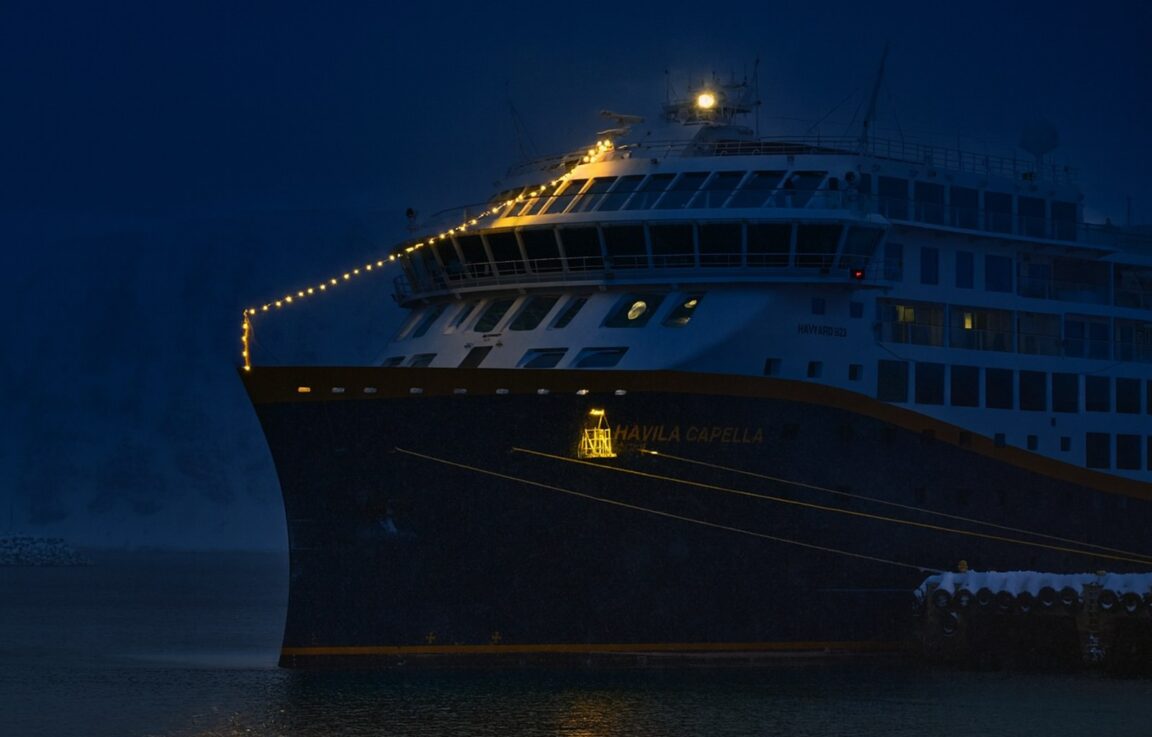
Havila fleet: Four sister ships, Capella, Castor, Polaris and Pollux, built 2021 to 2023, about 640 passengers, 179 cabins, large battery packs allowing up to four hours of silent, zero-emission sailing.
Hurtigruten fleet: A larger, older and more varied fleet on the classic route, with ships of different ages, sizes and characters, plus separate Signature voyages on other itineraries.
Cabins: Havila standard outside cabins run about 15 to 16 square metres. Entry Hurtigruten cabins on older ships can be half that, with wide variation by ship and grade.
Winter draw: Both lines market a northern lights promise in the dark season, on different terms. Read the conditions before counting on it.
Facts checked: 21 November 2026, against both operators’ published fleet and route information.
Are Havila and Hurtigruten sailing the same route?
Yes, and this is the first thing to understand. The coastal voyage is not a cruise invention. It is Norway’s working sea highway, subsidised to carry passengers, cars, mail and cargo between the coastal communities, and the two companies divide the schedule between them. A ship leaves Bergen every day. Roughly seven departures in eleven are Hurtigruten, four are Havila. Both call at the same 34 ports, from Bergen through Alesund, Trondheim, Bodo, Tromso and Hammerfest to Kirkenes near the Russian border, then turn and call again on the way south, with day stops northbound becoming night stops southbound and the reverse. The full round voyage takes 12 days. Port-to-port passengers ride alongside holiday travellers on both lines, and many calls are working stops of 15 to 30 minutes, with longer stays of several hours in the larger towns.
The practical consequence: scenery, daylight, weather and the port pattern are essentially identical. What you are choosing is the ship, the cabin, the food model, the excursion programme and the price structure. Hurtigruten also sells separate Signature voyages, including a North Cape line from Oslo or Hamburg and a Svalbard line, which are different products with fewer, longer stops. Compare those against other cruises, not against Havila. The like-for-like contest is Havila against Hurtigruten’s classic Coastal Express.
Which line has the better cabins?
Havila, clearly, at the standard grades where most people book. Its four ships are sisters, so the cabin you research is the cabin you get: interior cabins from about 10 square metres, Seaview Superior outside cabins of 15 to 16 square metres with a large window, a real double bed or twins, a sofa, desk, fridge and a modern bathroom, then panoramic cabins at the bow, balcony grades and suites rising to the two Lighthouse Suites. All cabins carry free Wi-Fi, USB points and televisions. The decor is calm Scandinavian wood and wool, the sound insulation is new-ship good, and the promenade sits high on the ship rather than outside your window.
Hurtigruten asks more homework. Its classic-route fleet spans decades, and cabin size, layout and finish vary by ship and by grade in a way Havila’s does not. Entry cabins on the older ships can be genuinely small, around 8 to 11 square metres, sometimes with portholes and bunks, while upper grades and suites on refurbished ships are comfortable and characterful. The ships have loyal followings precisely because they differ, and many travellers prefer a smaller, older vessel’s feel. But a traveller booking a grade name without checking the specific ship’s deck plan can be surprised. On Havila that risk barely exists. Budget decides some of this by itself: Hurtigruten’s spread of grades usually produces the cheapest entry prices on the route, while Havila’s floor is a newer, larger cabin at a typically higher starting fare. Compare like for like, cabin grade, meals and excursions included, before concluding either line is cheaper.
How do the ports and excursions compare?
The ports are the same, so the excursion catalogues are where the lines diverge. Both sell the greatest hits: the Geirangerfjord or Hjorundfjord sailing in season, Tromso’s Arctic Cathedral and dog sledding, the North Cape plateau from Honningsvag, king crab safaris near Kirkenes, sea eagle safaris by RIB, and Sami and Viking themed visits. Hurtigruten, with its longer history, fields the deeper and wider programme, more departures on popular trips and a more developed expedition team culture of lectures and deck events. Havila’s programme covers the essentials well and its ships’ huge windows and panoramic lounges make the free entertainment, the coast itself, unusually comfortable to watch.
Two cautions apply to both. Excursions are priced per trip and add up quickly, so choose two or three that matter rather than collecting them. And the timetable is a working ferry timetable. Short calls are for cargo and local passengers, not sightseeing, and winter weather can shorten or cancel stops. Travellers pairing the voyage with time ashore in the north often add a land stay in the Lofoten Islands or Tromso, which our Lofoten guide and our Oslo itinerary can help frame at either end of a Norway trip.
What about food and life on board?
Havila organises eating around a main restaurant with menus themed to the coast the ship is passing, a cafe, and a fine dining room at extra cost, with an emphasis on Norwegian ingredients and noticeably less buffet queuing, since much is served at the table. Hurtigruten’s food story is also strongly Norwegian, with its Coastal Kitchen concept sourcing from ports along the route, a main restaurant, bistro style options and specialty dining on the larger ships. Both feed you well. Havila’s ships feel like small, quiet boutique hotels, with gyms, sauna, outdoor hot tubs and acres of glass. Hurtigruten’s feel like ships, with more bars, more lectures, more bustle and, on some vessels, expedition equipment and a working-ship atmosphere that purists love. Neither line does casinos, waterslides or Broadway shows, and both draw an international, scenery-first crowd.
Which is better for a winter northern lights sailing?
Both lines chase the same dark sky, and the ship matters less than the month, the moon and your nights above the Arctic Circle, where the round voyage gives you the most chances. Havila’s winter case rests on comfort: big windows, a glass-roofed viewing area, quiet battery sailing in fjords and modern cabins for the long dark afternoons, plus its published Northern Lights Promise offering a free shorter voyage if no aurora is recorded on a qualifying winter round trip. Hurtigruten counters with the original Northern Lights Promise, a similar free-voyage guarantee on qualifying sailings, a northern lights alarm that can wake you when the sky performs, and decades of winter operating experience on this exact coast.
Choose on total value and cabin, not on the promise, which is a consolation rather than a plan. Sail between late September and March, take the full round voyage or at least the northbound leg through the darkest latitudes, budget for one or two land excursions under the lights, and treat any aurora as weather, not scheduling. For a first winter voyage, Havila’s newer ship usually makes the long nights more comfortable. For a traveller who wants the classic working ship, the fuller lecture programme and the widest choice of departure dates, Hurtigruten remains the default for a reason.
So, Havila or Hurtigruten?
Book Havila if the ship itself is part of your holiday, if cabin size and modern bathrooms matter, if you value quiet, emissions-free fjord sailing, or if you are travelling in winter and will live in the lounges. Book Hurtigruten if you want the historic line, the broadest excursion and lecture programme, the cheapest entry fares on its older ships, or a specific departure date, since it sails more often. Either way, book the coast, not the marketing: an outside cabin, a midwinter or shoulder season sailing, and a small number of chosen excursions will shape your trip more than the logo on the stern.
Frequently Asked Questions
Do Havila and Hurtigruten stop at the same ports?
Yes. Both operate the same Bergen to Kirkenes coastal service calling at 34 ports, sharing the daily departure pattern under the Norwegian government contract, Hurtigruten with seven of eleven rotations and Havila with four.
How long is the Norway coastal voyage?
The full Bergen to Kirkenes to Bergen round voyage takes 12 days. One-way voyages take about six days northbound and five to six days southbound, and shorter port-to-port trips can be booked on both lines.
Which line has bigger cabins?
Havila. Its standard Seaview Superior outside cabins run about 15 to 16 square metres across all four sister ships, while entry cabins on Hurtigruten’s older ships can be around 8 to 11 square metres, with wide variation by ship.
Are Havila’s ships really electric?
They are hybrid. Each Havila ship carries a very large battery pack alongside liquefied natural gas engines, allowing up to about four hours of silent, zero-emission sailing, typically used in sensitive fjords and in port.
Which is better for the northern lights?
Both sail the same dark coast and both publish a northern lights promise on qualifying winter voyages. Havila offers the more comfortable modern ship, Hurtigruten the longer winter track record and an aurora alarm. Month and latitude matter more than the line.
Can you ride the coastal voyage as a ferry?
Yes. Both lines carry port-to-port passengers, cars and cargo, and many Norwegians use the ships as transport. Holiday travellers simply stay on for more of the route.
Image: Havila Capella at night in winter. Photo: Havila Voyages (havilavoyages.com), the operator’s own website. Fleet and route details checked 21 November 2026.