 Priya Nair
Sri Lanka has no single best time to visit, because it has two monsoons and they take turns. The southwest monsoon soaks the west and south coasts from about May to September, while the northeast monsoon soaks the east coast from about November to February. That split is the whole planning trick: from December to April, base the beach days on the west and south coasts around Galle, Weligama and Mirissa; from May to September, cross the island to Trincomalee, Pasikudah and Arugam Bay, where the sea is calm and the surf season runs. Between the monsoons sit two shoulder windows, March to April and the riskier October to November, when the whole island can work or the whole island can get afternoon storms. Pick your coast by your month, put the Cultural Triangle and the hill country in the middle of the trip where they fit almost any season, and Sri Lanka becomes a year-round destination instead of a gamble.
Quick Facts
- Best for the west and south coasts: December to April, with calm seas, dry days and the Mirissa whale watching season.
- Best for the east coast: May to September, when Trincomalee and Pasikudah swim well and Arugam Bay holds its main surf season.
- Southwest monsoon: Roughly May to September, bringing rain to Colombo, Galle and the hills while the east stays dry.
- Northeast monsoon: Roughly November to February, bringing rain to the east and north while the south and west are in season.
- Best all-island windows: Late January to March for the classic circuit, and July to August for a trip weighted to the east coast and Cultural Triangle.
- Wettest, least predictable weeks: October and November, the second inter-monsoon, when storms can reach every coast.
- Temperatures: The coasts sit around 27 to 31 degrees Celsius all year; the hill country around Nuwara Eliya is far cooler and needs layers in any month.
The southwest monsoon: why the south closes and the east opens
From May the winds turn, and the southwest monsoon rolls in off the Indian Ocean onto the west and south coasts and the western hills. Colombo, Galle, Hikkaduwa and Mirissa get heavy showers, humidity climbs, and the sea turns rough enough that swimming flags stay red for weeks at a time. Surf schools and dive operators on the south coast wind down or move, and whale watching boats out of Mirissa stop running. None of this makes the south unvisitable: Galle Fort in the rain is atmospheric, prices fall, and mornings are often fine before afternoon downpours. But a beach holiday booked in the southwest in July is a booking made against the weather. The same weeks are high season on the other side of the island. The northeast, sheltered from this monsoon, runs dry and calm from May to September, which is why the island effectively has two beach seasons that never overlap.
The west and south coasts in season: December to April
The classic Sri Lanka trip runs on the northern winter calendar. From December the northeast monsoon spends itself on the east, the south and west dry out, and the sea flattens from Negombo through Colombo and Galle to Tangalle. This is the season for the southern circuit most first trips want: a few nights inside Galle Fort, surf lessons at Weligama, whale watching from Mirissa between December and March, and a safari in Yala before the park gets its driest, dustiest weeks. Our Galle Fort ramparts guide walks the circuit that anchors the south coast stay, and our Weligama surf and yoga guide covers the beginner-friendly bay that makes the south work for new surfers in season. Book early for late December and January, when prices peak and the best small hotels sell out, and expect February and March to give the same weather with a little more room.
Whales, surf and safaris on the southern calendar
Blue whale sightings off Mirissa concentrate in the calm months, roughly December to March, which is one more reason the south coast season is what it is. South coast surf peaks for beginners in the same window, while experienced surfers watch the mid-season swells. Yala and Udawalawe safaris run year-round, but the dry weeks before the southwest monsoon make animal viewing at waterholes easiest, and Yala’s busiest blocks usually close for several weeks around September and October, so a safari in that window needs checking before the route is fixed.
The east coast in season: May to September
When the southwest monsoon arrives, the trip flips. Trincomalee, Nilaveli and Pasikudah, on the northeast coast, enter their dry season: calm, clear water, good snorkelling around Pigeon Island, and beach hotels that are closed or quiet for half the year running at full stretch. Further south, Arugam Bay holds the island’s famous right-hand point break, and its surf season runs through these same months, drawing the travelling surf crowd that the south coast hosts in winter. The east is less developed than the south, distances are longer, and the region rewards a slower pace with fewer stops. Travellers whose dates are fixed in June, July or August should build the trip east first, then add the Cultural Triangle, which sits inland between the coasts and handles this season well.
The middle of the island: Triangle and hills in almost any month
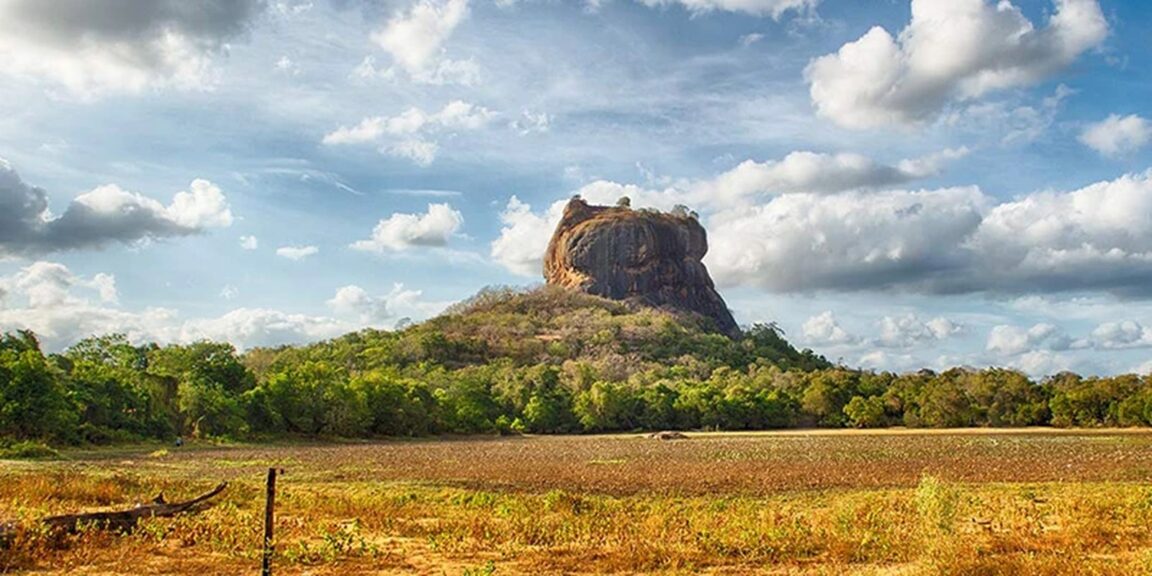
The Cultural Triangle of Sigiriya, Dambulla, Polonnaruwa and Anuradhapura sits in the dry zone and is workable most of the year, with its wettest stretch in the northeast monsoon months of October to January. Sri Lanka Tourism’s official Sigiriya page sets out the site that anchors the region, the 200 metre rock fortress in the Matale District, 169 kilometres from Colombo, and its advice to climb early with water and a hat is sound in every season. The hill country of Kandy, Ella and Nuwara Eliya is driest and clearest from January to April, and the famous train ride through the tea country is at its most photogenic then, though the hills collect cloud and showers in both monsoons and never promise a dry week. Our Ella guide covers the hill country town that pairs naturally with a Triangle loop. The Adam’s Peak pilgrimage season, when the summit path is lit and staffed, runs from December to May and is the one hill country date worth planning around precisely.
The inter-monsoon weeks: March, April, October, November
Between the monsoons the island breathes, and the weather stops belonging to one coast. March and April are hot and humid with afternoon thunderstorms that usually clear, and they form the best whole-island window after January and February: both coasts can work, the hills are drying, and the Triangle is green. October and November are the honest exception to the year-round claim. The second inter-monsoon brings convectional storms across the whole island, the seas turn unsettled on both sides, and this is the window where a beach-first itinerary carries real risk. Culture-first trips still work, with flexible days and indoor backups, and prices are at their lowest, but travellers choosing dates freely should choose almost any other months for the beach.
Putting it together: three proven shapes
A January or February trip runs the classic loop: Colombo, the Cultural Triangle, Kandy and Ella, then down to Galle and the south coast beaches, all in season at once. A July or August trip inverts the ending: the same Triangle and hills core, with more rain risk in the hills, then east to Trincomalee or Arugam Bay instead of the south. A March trip can attempt both coasts in a longer journey, starting south while the season holds and finishing east as it opens, accepting some storm risk at the changeover. In every shape, the rule that survives is the simple one: the coast is chosen by the calendar, and everything else is built around it.
Frequently Asked Questions
What is the best month to visit Sri Lanka overall?
February. The south and west coasts are in full season, the hill country is at its driest and clearest, the Cultural Triangle is comfortable, and only the east coast is out of play.
Can I visit Sri Lanka in July or August?
Yes, and it is a genuinely good time if the trip is built correctly: east coast beaches and surf, the Cultural Triangle, and the hills with some rain risk. What fails in July is a south coast beach holiday, not the island.
When is the worst time to visit Sri Lanka?
October and November, when the second inter-monsoon can bring heavy storms to every region at once. Trips still work with flexible plans and lower prices, but no coast is reliably dry.
Which coast is best in December?
The west and south coasts. December opens their main season, with calm seas at Galle, Weligama and Mirissa, while the east coast is in its northeast monsoon and many of its hotels are closed.
Does the monsoon mean rain all day?
Usually not. Monsoon weather on the wet coast tends to mean heavy showers, often in the afternoon, with bright intervals between. The bigger travel impact is the sea state, which can rule out swimming and boat trips for days at a time.
Image: Sigiriya rock fortress rising above the jungle in Sri Lanka’s Matale District. Photograph via Sri Lanka Tourism, the official tourism authority (srilanka.travel).