 Sofia Rossi
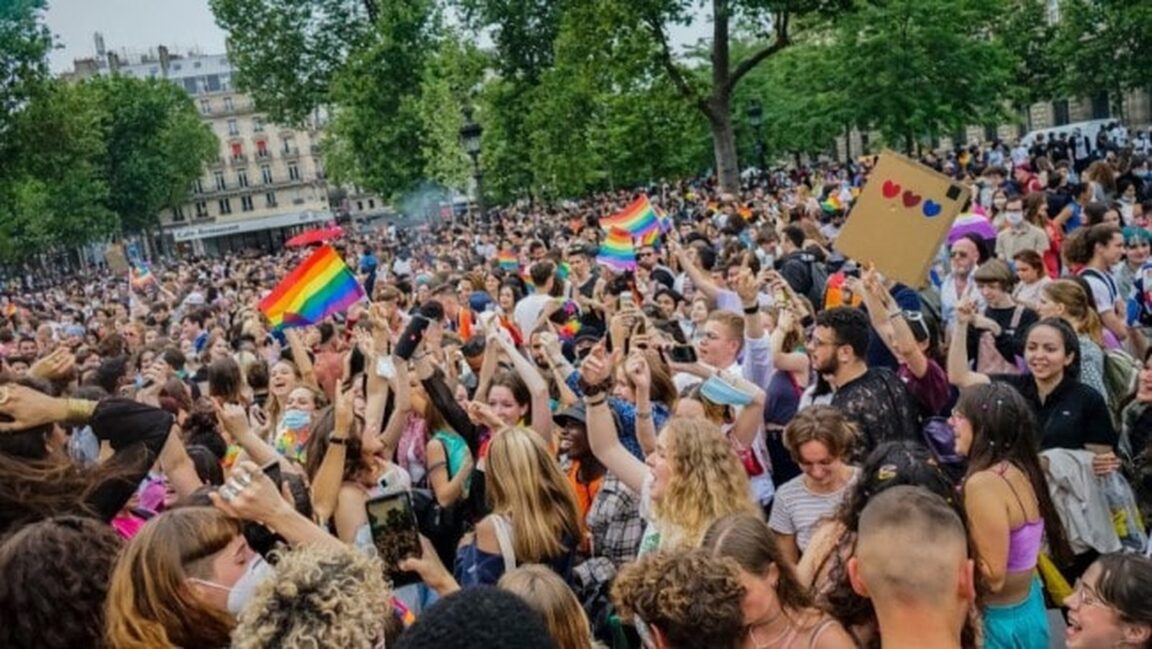
Paris Pride, the Marche des Fiertes, is a march first and a party second, and the weekend works best when you plan it in that order: confirm the route and start time on the organiser’s site at marchedesfiertes.org, position yourself for the march in the early afternoon, and let the evening in the Marais, the city’s historic LGBTQ+ quarter, unfold from wherever the march finishes. The march traditionally falls on a Saturday in late June, the route is set by the organiser, Inter-LGBT, and announced ahead of the day, and June hotel pressure across Paris is real, so the booking decision to make early is where you sleep, not what you wear.
Quick Facts
- What: The Marche des Fiertes LGBTQI+, Paris’s annual Pride march, organised by Inter-LGBT
- Official source: marchedesfiertes.org, the organiser’s site, carries the confirmed date, route, start time and the surrounding Pride Fortnight programme
- Traditional timing: A Saturday in late June, with speeches before the march steps off in the early afternoon
- Cost: The march itself is free and open to everyone; the finishing Podium concert is a free outdoor event
- The evening: The Marais, around Rue Sainte-Croix de la Bretonnerie and Rue du Temple, is the centre of the after march bars and street crowds
- Booking reality: Late June is peak Paris; hotels across the centre fill and price accordingly, so book earlier than you would for an ordinary June weekend
- Route warning: The route changes between editions and is only final when the organiser publishes it; never plan around a previous year’s map
First, check the organiser: why the route is a same year question
Every spring, the detail travellers most want, the exact route, is the detail that does not exist until Inter-LGBT publishes it. The organiser’s site, marchedesfiertes.org, is the single authoritative source for the date, the assembly point, the start time and the line of march, and the city’s own tourism channels repeat what the organiser confirms. Recent editions have crossed the centre from assembly points such as Place d’Italie and the Palais Royal area towards finishes at Place de la Bastille and Place de la Nation, but those are precedents, not promises. The march has also shown it can move when conditions demand it, which is the strongest reason to build your weekend around the confirmed announcement rather than around a blog post from a previous year, including this one. Check the organiser in the spring, check again in the week of the march, and treat the speeches at the assembly point, usually beginning around an hour before the march steps off, as the real start of the event.
That political opening is not a formality to skip. The Marche des Fiertes grew out of the first Paris marches of the late 1970s and it keeps its character: associations, unions and community groups march behind banners with demands, and the speeches name the year’s fights. Arriving for the start rather than joining at the finish gives you the march the Parisians themselves recognise. First time visitors building a wider Paris weekend around Pride can borrow the bones of our four day first timer’s itinerary for Paris and bend it around the Saturday.
March day, hour by hour
Eat a real lunch before you go. The march moves slowly, stops often, and can take hours to cover its route, and the streets around it are too crowded for improvising food. Aim to reach the assembly point or your chosen viewing stretch before the speeches end, because the edges of the route fill early and the front of the march is where the energy and the best photographs are. If you are marching, join behind a group you identify with and settle in; if you are watching, pick a wide section of boulevard rather than a narrow street, keep an exit side street in mind, and expect phone signal to struggle in the densest crowds.
Practical details decide whether the day is fun or draining. Carry water, because June in Paris can be genuinely hot and the route has little shade. Wear shoes for standing and slow walking rather than dancing. Agree a meeting point away from the route with anyone you are with, because groups separate in this crowd constantly. And pace the afternoon with the evening in mind: the march finishing at the Podium, the free outdoor concert and speeches at the finish square, is the hinge between the demonstration and the party, and it is worth staying for at least the first hour before drifting towards the Marais.
The Marais after: how the evening actually works
The Marais has been the centre of LGBTQ+ Paris for decades, and on Pride night its bars around Rue Sainte-Croix de la Bretonnerie, Rue du Temple and Rue des Archives fill from late afternoon and spill onto the streets. The rhythm is street first, bar second: crowds gather outside the best known bars, drinks in hand where venues allow, and the neighbourhood becomes the event as much as any single room. Arrive before the march crowd fully lands if you want a first round without a long wait, expect queues at the famous names later, and do not over plan a sequence of venues. One good street corner with your people beats a checklist of five bars you queue for separately.
Two honest notes. The Marais on Pride night is crowded enough that pickpocketing awareness is worth the small effort, so keep phones and wallets zipped in the crush. And the neighbourhood is a residential quarter as well as a party district; the bars are used to the night, but keeping noise down on the quieter side streets on the walk back is part of being a guest in it. Travellers who want a calmer Pride evening can stay for the Podium concert, eat late in the upper Marais or around Republique, and let the densest blocks do their thing without them.
Booking a June weekend: the honest hotel picture
Late June is one of Paris’s fullest periods even before Pride is added, with the summer season, festivals and events stacking into the same weeks. Pride adds a large, loyal crowd that books ahead and books centrally. The practical consequences are simple. Rooms near the Marais and the march corridor go earliest and carry the weekend’s highest rates. Districts one metro ride out, such as Republique, Bastille’s outer edges, Nation and the Canal Saint-Martin area, usually hold availability longer and put you on a straight line home after the evening. Booking refundable rates early and refining later beats waiting for a perfect price that June rarely delivers.
Where you sleep should follow how you march. If the evening matters most, stay east and central so the walk home from the Marais is short. If you are combining Pride with a first Paris trip, a base that also serves the classic sights spreads the weekend better; our guide to visiting the Louvre without losing the day is the one to read before you promise yourself a museum morning on the same weekend. Whatever you choose, book the Saturday night first if your plans are fixed, because that is the night the city runs out of.
Pride Fortnight and the rest of the weekend
The march is the peak of a longer programme. The organiser and its member associations run a Pride Fortnight of cultural, activist and festive events in the build up, listed on the organiser’s site, and the weekend around the march fills with exhibitions, club nights and community events across the city. Build one of those into the Friday or Sunday rather than treating the trip as a single afternoon. Sunday, in particular, suits the slower Paris: the Marais is lively again by afternoon, the Jewish quarter’s food counters and the Place des Vosges are a short walk from the previous night’s bars, and the city hands you an easy, handsome recovery day.
Frequently Asked Questions
When is Paris Pride, the Marche des Fiertes?
It traditionally takes place on a Saturday in late June, organised by Inter-LGBT, with the exact date, route and start time confirmed on the organiser’s site, marchedesfiertes.org. Always plan around the current year’s announcement, because routes and arrangements change between editions.
Where does the Paris Pride march start and finish?
It varies by year. Recent editions have assembled at points such as Place d’Italie and the Palais Royal area and finished at Place de la Bastille or Place de la Nation, where the Podium concert is held. The confirmed route for your year is published by the organiser ahead of the march.
Is Paris Pride free?
Yes. The march is free and open to everyone, and the Podium at the finish is a free outdoor event. Club nights and parties during Pride Fortnight are ticketed separately.
Where do people go after the march?
The Marais is the traditional centre of the evening, especially around Rue Sainte-Croix de la Bretonnerie and Rue du Temple, where bars fill and crowds gather in the streets. The finish square’s Podium concert is the first stop before the neighbourhood takes over.
How far ahead should I book a hotel for Pride weekend?
As early as you reasonably can. Late June is peak season in Paris and Pride adds heavy demand in the centre, so central rooms go first and prices rise. Book a refundable rate when your dates are likely, and consider districts one metro ride from the Marais for better availability.
Image: The Pride march in Paris, with rainbow flags in a crowd of marchers. Photo: Norbu Gyachung, via Unsplash (Unsplash License), hosted copy via Bonjour Paris. Used with credit.