 Priya Nair
Taif’s rose season runs on the flower’s calendar, not the festival poster’s. The Damask roses on the mountain farms around Al Hada and Al Shafa are picked at dawn through a harvest that begins in March and lasts roughly thirty five to forty five days, and the festival and distillery visits all hang off those few weeks. For spring 2027, no official festival dates had been announced when this guide was checked on 25 November 2026, so the right way to plan is to hold the late March to late April window, watch the Saudi Ministry of Culture and Visit Saudi channels for the announcement, and book the mountain road and a farm visit around the harvest first and the headline events second.
Quick Facts
- Where: Taif, in the Sarawat Mountains of Makkah Province, Saudi Arabia, with rose farms concentrated around Al Hada and Al Shafa
- The flower: The Taif rose, a thirty petalled Damask rose known locally as ward taifi
- Harvest window: Picking begins in March and runs about thirty five to forty five days, according to UNESCO’s listing of Taif rose cultural practices
- Heritage status: Cultural practices related to Taif roses were inscribed on UNESCO’s Representative List of the Intangible Cultural Heritage of Humanity in 2024
- 2027 festival dates: Not yet announced at the time of checking; the most recent festival format ran inside the harvest window, so confirm dates on official Saudi channels before booking travel
- Altitude: Taif sits at roughly 1,800 to 1,900 metres, which is why the season lands in spring and the evenings stay cool
- Getting there: Taif Regional Airport (TIF) serves the city; many visitors also drive up from Jeddah or Makkah on the Al Hada mountain road
- Entry rules: Most visitors need a Saudi tourist visa arranged in advance; check the current rules before booking
Why does the harvest start in March, and why does it move?
UNESCO’s heritage listing describes the rhythm plainly. From December to February, farmers fertilise and water the land, prune the rose bushes and plant cuttings. The harvest season begins in March and lasts thirty five to forty five days. That window is set by altitude and weather rather than by a fixed date, which is why one farm in the Wadi Mahram valley can be in full bloom while a higher farm in Al Shafa, at around 2,500 metres, is still days away from its peak. The bloom effectively climbs the mountain as spring warms, and a visit timed for the middle of the window gives you working farms at more than one altitude instead of a single weekend gamble.
This is also why any guide that prints exact 2027 festival dates in November 2026 is guessing. The honest planning move is to treat late March through late April as the season, keep accommodation cancellable until the official programme appears, and follow the announcement channels named below. Travellers who need the visa groundwork first should read our explainer on Saudi Arabia’s tourist eVisa and who can apply online before they fall in love with specific dates.
What actually happens at dawn on a rose farm?
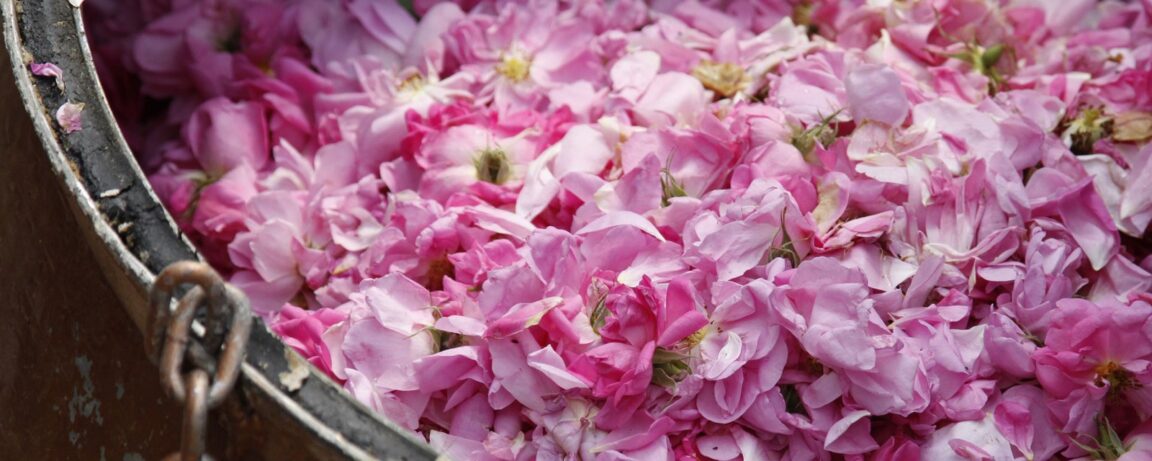
The picking starts before sunrise for a practical reason: the petals hold the most scent in the cool hours, and fragrance is the entire crop. Blooms are gathered by hand into sacks and baskets and taken quickly to the distillery, because a Taif rose picked at noon is worth less than the same flower picked at six in the morning. For a visitor, this means the farm visit worth having is the early one. A distillery tour that begins at ten can show you the copper stills and the rosewater lines, but the harvest itself is a dawn event, and farms that welcome visitors during the season generally organise around that fact.
Ask, when you book, three specific questions. Does the visit include the fields at picking time, or only the factory floor? Is distillation running that day, which depends on enough flowers having come in? And is the visit a working farm that takes guests by arrangement, as many family farms around Al Hada and Al Shafa do, rather than a standing attraction with a ticket desk? The answers separate a genuine harvest morning from a shop with a viewing window.
From petal to bottle: the distillery visit, explained
Traditional Taif distillation loads fresh petals into copper stills, and the run produces two products: rosewater, sold widely and used across the region, and rose oil, produced in tiny quantities and priced accordingly. The maths of the oil explain the price tags you will see in Taif’s markets. It takes an enormous weight of petals to yield a small vial of pure oil, so a suspiciously cheap bottle labelled as pure Taif rose oil deserves scepticism, while rosewater from a named local distillery is the honest, affordable souvenir. Buy at the source where you can, ask which farm and which season’s harvest a product came from, and treat provenance as part of the purchase.
The best known visitor facing names cluster around the two growing districts. Al Gadhi’s rose factory is the name most often cited by past visitors for tours of the distillation process, and family farms in Al Hada and Al Shafa, including the Bin Salman farm documented by Saudi tourism coverage, receive guests during the season by arrangement. Opening patterns change year to year, so confirm a visit directly with the farm or through Visit Saudi listings in the weeks before you travel rather than relying on an old review.
The festival dates to watch for 2027
The Taif Rose Festival is organised under the Ministry of Culture with Taif Municipality, and in its recent form it has grown into a combined festival and industry forum, with farm visits, distillation demonstrations, markets, flower displays and conference sessions running inside the harvest weeks. The pattern to plan around is consistent even though the dates are not: the programme is announced through official Saudi channels only a limited time before the season, and it sits inside the March to April harvest rather than on a fixed anniversary.
So for 2027, watch three things. First, the Ministry of Culture announcement of the festival and forum dates. Second, Visit Saudi’s Taif destination pages, which carry the visitor facing programme. Third, the harvest reports themselves: a cold spring pushes the bloom, and the festival follows the flowers. If you are combining Taif with a wider Saudi trip, the rose weeks pair naturally with the heritage north; our guide to AlUla and Hegra’s Nabataean tombs covers the other end of that itinerary.
The mountain road up: Al Hada, switchbacks and weekend crowds
Taif’s altitude is its blessing and its bottleneck. The Al Hada road climbs from the Makkah side in a famous series of switchbacks, and during rose season it carries farm traffic, festival crowds and weekend visitors from Jeddah and Makkah on the same ribbon of tarmac. Drive it in daylight, allow far more time than the distance suggests, and expect the descent and ascent to be slowest on Saudi weekend days, Friday and Saturday, when city families make the same trip. If you are flying in, Taif Regional Airport avoids the climb entirely, but you will still want a car or a driver for the farm districts, because Al Hada and Al Shafa are spread across the slopes outside the city rather than arranged around a single centre.
Stay decisions follow from the same geography. Sleeping in Taif city suits travellers who want markets and restaurants in the evening and do not mind driving out to farms at dawn. Sleeping up in Al Hada or Al Shafa puts you beside the fields and the distilleries, shortens the dawn start, and gives you the coolest air, at the cost of fewer evening options. During the festival weeks, book the mountain stays first; they are the smaller supply and they go earliest.
What to do in Taif between the dawn pick and dinner
Rose season fills the mornings, which leaves the afternoons for the rest of the city. Shubra Palace, the Taif Regional Museum’s home, gives the city’s history a single address. The old souks sell the season’s rosewater and oil alongside the fruit the highlands are also known for. Al Hada’s cable car and viewpoints and Al Shafa’s terraced farms and fruit stalls turn the drive between distilleries into part of the day rather than dead time. Keep one rule in mind: in a short season, the roses are the appointment and everything else is flexible. Build the day so a farm that offers you a dawn slot can have it.
Frequently Asked Questions
When is the Taif rose season in 2027?
The harvest begins in March and runs about thirty five to forty five days, so the working window for 2027 is late March through late April, moving with the weather and altitude. Exact festival dates had not been announced when this guide was checked; confirm them on Ministry of Culture and Visit Saudi channels before booking non refundable travel.
Can visitors watch the roses being picked?
Yes, at farms that receive guests during the season, mainly around Al Hada and Al Shafa, and usually by arrangement rather than walk in. Picking happens at dawn, so expect an early start and ask when booking whether the visit includes the fields at picking time.
What is the difference between Taif rosewater and rose oil?
Both come from distilling the same petals in copper stills. Rosewater is the plentiful, affordable product. Rose oil is produced in very small quantities from very large numbers of flowers, which is why genuine oil is expensive and very cheap oil should be treated with suspicion.
How do I get to Taif for rose season?
Taif Regional Airport (TIF) has domestic connections, and many visitors drive from Jeddah or Makkah. The Al Hada mountain road is scenic and slow, with switchbacks and heavy weekend traffic in season, so drive it in daylight and allow extra time.
Why was the Taif rose listed by UNESCO?
UNESCO inscribed the cultural practices related to Taif roses on its Representative List of the Intangible Cultural Heritage of Humanity in 2024, recognising the farming, harvesting and distillation knowledge that local families have maintained as part of the region’s identity.
Image: Harvested Taif roses ready for distillation. Photo: Visit Saudi (visitsaudi.com), the official Saudi tourism website. Used with credit.