 Aiko Tanaka
Eat miso ramen first, soup curry second, and save the Susukino lanes for the evening, when grilled lamb, seafood bowls and late opening ramen counters turn central Sapporo into one continuous meal. That is the working order for food in Sapporo, the capital of Hokkaido, Japan’s northern island. The city invented miso ramen in 1955, built a second signature around spiced soup curry, and raises much of what fills its bowls, from sweet corn and butter to crab, scallops and lamb, in the cold waters and farmland around it. Plan for three anchor dishes a day, add a market breakfast and a Susukino night circuit, and the city feeds you very well without any single famous queue deciding your trip.
Quick Facts About Eating in Sapporo
- Order first: Miso ramen, Sapporo’s own style, with medium thick wavy noodles in a rich miso broth, often finished with butter and sweet corn.
- Order second: Soup curry, a thin, spiced, soup based curry served over rice with large cut seasonal vegetables and chicken, pork or seafood.
- The lamb dish: Jingisukan, thin sliced lamb and vegetables grilled at the table on a domed metal plate, named after Genghis Khan.
- The market: Nijo Market, in the centre near Odori, is the classic stop for seafood rice bowls with crab, sea urchin and salmon roe.
- The night district: Susukino, south of Odori, holds the Ganso Sapporo Ramen Yokocho alley, izakaya, soup curry shops and bars in a few walkable blocks.
- The sweet finish: Shime parfait, a closing parfait eaten at the end of a night out, is a Sapporo habit with dedicated late opening parfait shops.
- Prices checked: November 2026. Bowl and dish prices vary by shop and topping, so this guide names dishes and districts rather than locking in yen figures that change with menus.
Why did miso ramen start in Sapporo?
Miso ramen is credited to Aji no Sanpei, a Sapporo shop where, in 1955, the owner added miso paste to a pork based noodle soup and created the style the city is now known for worldwide. The formula that followed still defines a classic bowl: a hearty broth built on pork and vegetables, seasoned with miso, and served over firm, wavy, medium thick yellow noodles that hold up in the rich soup. Vegetables such as bean sprouts and onion are often stir fried before the broth goes in, which adds a smoky depth you do not get in lighter regional styles.
The butter corn topping is the Hokkaido flourish. A knob of butter melting into the miso broth and a spoonful of local sweet corn make the bowl richer and sweeter, and plenty of shops offer it as the signature order. Treat it as an option rather than a rule. A plain miso bowl shows the broth more clearly, while a spicy miso version suits a cold night. In winter, when Sapporo temperatures sit well below freezing, the logic of the dish is obvious: this is soup engineered for snow country.
Where should a first bowl happen, Ramen Yokocho or a standalone shop?
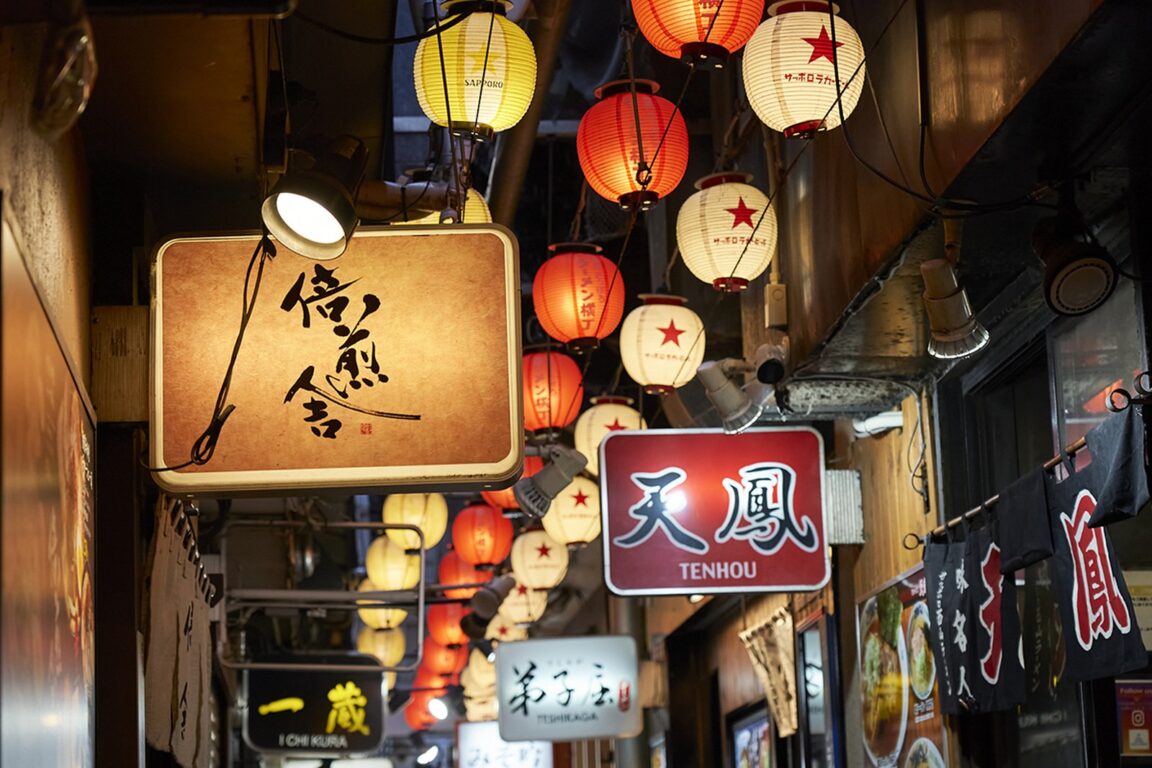
The Ganso Sapporo Ramen Yokocho in Susukino packs a line of small ramen shops into one narrow alley, which makes it the easiest place to compare bowls and the most atmospheric first stop after dark. Counters are small, turnover is fast, and ordering from a ticket machine or a picture menu keeps things simple even without Japanese. Go early in the evening if you want a choice of seats, because the alley draws tour groups as well as local drinkers finishing a night out.
A standalone shop gives you one house style done with more focus. Sapporo’s better known ramen names run their own counters across the centre, and a lunchtime bowl away from Susukino often means a shorter wait and a calmer room. A practical split is one alley bowl for the experience and one standalone bowl for the comparison, on different days. If ramen is a wider Japan interest for you, our Osaka food guide shows how a different Japanese city organises its eating around street stalls and market lanes instead.
What makes soup curry different from Japanese curry rice?
Soup curry keeps the spices and drops the thickness. Instead of the sweet, gravy like sauce of standard Japanese curry rice, you get a clear, spiced broth, closer to a curry soup, ladled around large pieces of chicken leg, pork, or seafood and a generous cut of seasonal vegetables such as pumpkin, potato, carrot, aubergine and okra. Rice comes on the side, usually with a lemon slice or cheese topping offered as an option, and you choose a spice level on a numbered scale at most shops.
The dish took shape in Sapporo in the 1970s and spread across the city before travelling to the rest of Japan, which is why Sapporo still has the deepest bench of soup curry shops. It works well as a main lunch: it is filling without being heavy in the way a second ramen would be, it showcases Hokkaido vegetables at their best, and the spice scale makes it easy to feed mixed tastes at one table. Order a middle heat first. Shops calibrate their scales very differently, and the top levels are a challenge rather than a flavour.
How does jingisukan, the lamb grill, fit into a Sapporo evening?
Jingisukan is Hokkaido’s convivial grill dish: raw lamb and vegetables cooked by diners on a convex iron plate, the centre raised so juices run down into the onions, peppers and bean sprouts around the edge. The meat cooks in seconds, gets dipped in a soy based sauce, and is eaten with rice and beer. Dedicated halls in and around Susukino run long tables and extraction fans for exactly this, and the format suits groups because the cooking is the entertainment.
Lamb in Japan is strongly associated with Hokkaido sheep farming, and the meat here is often prized for being mild rather than gamey. If you are travelling as two, a jingisukan dinner plus a wander through Susukino is a complete evening. If you are solo, counter style ramen and soup curry shops are the easier fit, and the grill halls are better saved for a night when you have company and an appetite for a full set.
What should you eat at Nijo Market in the morning?
Nijo Market has served central Sapporo for more than a century, a compact grid of stalls and small restaurants a short walk from Odori Park. Mornings are the time to go. The headline order is a seafood rice bowl, kaisendon, topped with what Hokkaido waters do best: crab, scallop, salmon, salmon roe and sea urchin over warm rice. Stalls display the bowls in cases, restaurants cook to order, and grilled seafood and dried goods fill the gaps between them.
Keep the visit simple. Pick one bowl, eat it fresh, then browse the stalls for melon, cheese and packaged sweets to carry away. Market prices for premium toppings such as sea urchin move with the catch, so check the board on the day rather than budgeting from a photograph. Travellers continuing across Hokkaido or on to Honshu will find our Kanazawa travel guide a useful contrast, another Japanese city where a single market anchors the food day.
How does the Susukino night circuit actually run?
Susukino, the entertainment district at the south end of the centre, is where Sapporo eats late. A circuit that works is dinner first, whether that is the lamb grill or a soup curry shop, then a bowl in Ramen Yokocho for anyone still hungry, then a closing parfait. The shime parfait habit, ending a night of eating and drinking with an elaborate layered parfait instead of a final drink, is a point of local pride, and specialist shops open in the evening and serve until late.
The district is compact and well lit, set on a grid south of Odori with the subway and covered shopping streets nearby, which matters in winter when pavements ice over. Wear shoes with grip from December to March, keep evenings unhurried, and let the weather set the distance between stops. Sapporo in snow season rewards short walks between warm rooms.
What else belongs on a Sapporo food list?
Round out the anchors with the supporting cast. Sapporo is a dairy city, so soft serve ice cream, cheese tarts and milk based sweets are genuinely local rather than souvenir filler. The city is also the home of a famous Japanese beer brand founded in the nineteenth century, and beer halls in the centre pour it alongside grilled food in large, lively rooms. In summer, Odori Park hosts open air eating and drinking; in February, the Snow Festival fills the same park while food stalls feed the crowds. Season decides the extras, but ramen, soup curry, lamb and seafood hold all year.
Frequently Asked Questions About Eating in Sapporo
How many days of eating does Sapporo need?
Two full days covers the anchors comfortably: a market breakfast, miso ramen, soup curry and one jingisukan evening, with a Susukino circuit on the second night. Three days lets you compare a second ramen shop and eat at a slower pace.
Is butter corn ramen the authentic order?
It is a much loved Hokkaido topping combination, but a plain miso bowl is just as authentic. Order butter and corn once to try it, then judge a shop by its standard miso bowl.
Can vegetarians eat well in Sapporo?
Soup curry shops are the easiest win, since vegetable only versions are common, though broths vary, so ask. Markets and dairy sweets help, while classic ramen broths are meat based and harder to adapt.
When is the best season for Sapporo food travel?
Every season has a case: winter for ramen weather and the Snow Festival, summer for mild temperatures, beer gardens and sweet corn, and autumn for harvest vegetables in soup curry. Seafood is a year round strength.
Do Sapporo food shops take cards?
Larger restaurants and hotels usually do. Small ramen counters and market stalls may be cash only or use ticket machines, so carry yen in smaller notes and coins for the classic stops.
Last updated November 2026. Dish histories and district details checked against Sapporo city and shop sources at the time of writing. Menus, opening hours and prices change, so confirm a specific shop before a special trip. Featured image: Ganso Sapporo Ramen Yokocho alley in Susukino. Photo from Visit Sapporo, the City of Sapporo official travel guide, used with credit.