 Elena Vasquez
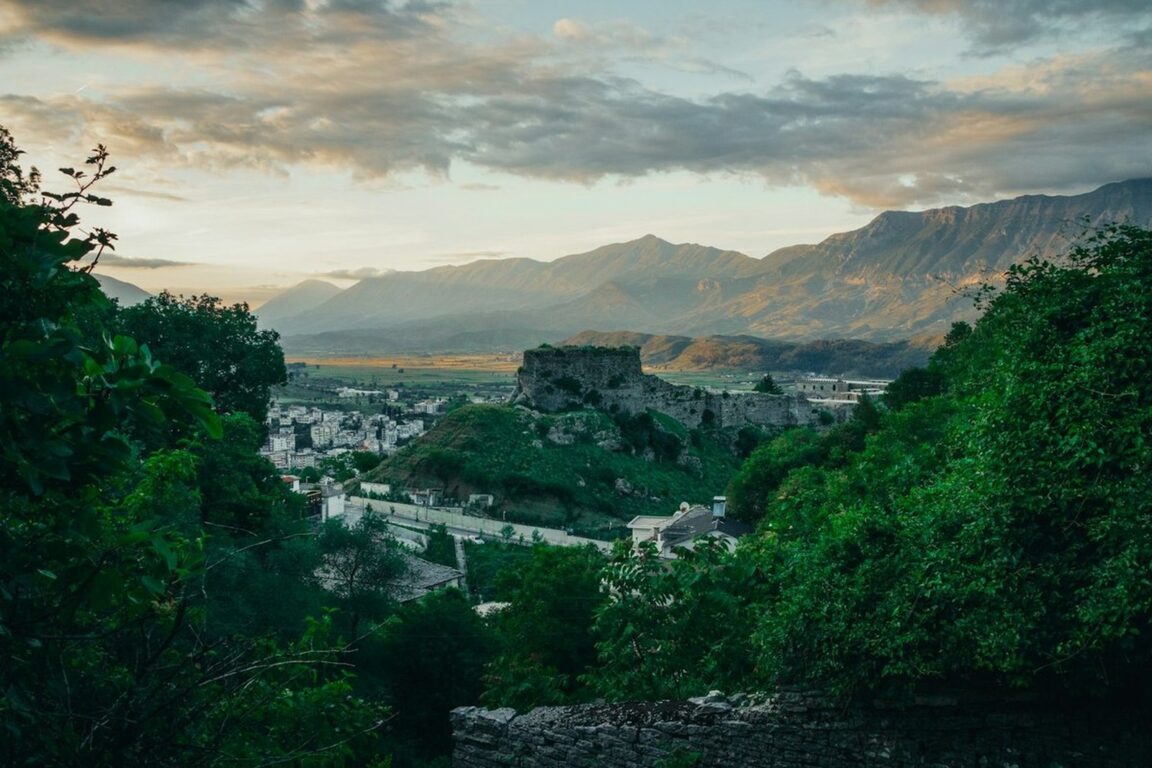
Go to Gjirokaster Old Town because it packs a complete Ottoman era city into one walkable hillside: a vast castle at 336 metres above the Drino Valley, a cobbled bazaar quarter below it, and fortified stone tower houses you can walk through room by room, all inside a UNESCO World Heritage Site inscribed in 2005. It works best as an overnight base rather than a photo stop, because the castle, the bazaar and the great houses each need unhurried time, and the town is at its calmest in the early morning and after the day buses leave.
Quick Facts
- Heritage status: Historic Centres of Berat and Gjirokastra form a single UNESCO World Heritage property. Gjirokastra was inscribed in 2005 and Berat was added in 2008.
- The castle: One of the largest fortresses in the Balkans, holding the Gjirokaster Museum, an armaments collection, a former prison and the stage of the National Folk Festival.
- Castle hours: The local visitor site lists April to September from 09:00 to 19:00 and October to March from 09:00 to 17:00, so a November visit means a 17:00 close.
- Castle entry: Published prices conflict, with the local site listing 200 lek and more recent visitor reports listing 400 lek. Confirm at the gate and carry cash in lek.
- The houses: Two storey Ottoman tower houses developed from the 17th century onward, roofed in grey stone slate. Zekate House and Skenduli House are the two names most often open to visitors.
- The bazaar: The Old Bazaar quarter grew outside the castle gate from the 15th century and remains the commercial heart of the old town.
- Best structure: Castle first in the morning, bazaar and a tower house in the afternoon, dinner in the old town, and a second morning for anything you rushed.
Why does Gjirokaster hold UNESCO status?
UNESCO inscribed Gjirokastra as a rare and well preserved example of an Ottoman era town, and the protection covers the whole composition rather than single monuments. The castle, the bazaar lanes, the mosque, the tower houses and the steep cobbled streets between them read as one townscape built by wealthy landowners and merchants in the Drino Valley in southern Albania. UNESCO notes the series of outstanding two storey houses developed in the 17th century, and the town kept building in the same stone language for two more centuries, which is why the old town feels unified rather than restored.
That unity is the reason to come. Many historic towns offer one castle or one pretty street. Gjirokaster offers a working vertical city: fortress on the ridge, commerce in the middle, and grand defensive homes stepping down the slope, with the flat modern town and the river plain spread out below. Travelers comparing Albania’s two UNESCO towns can pair this visit with a slower Mediterranean old town base approach elsewhere, but in Albania itself the natural partner is Berat, about two and a half to three hours north by road.
What does the castle actually hold?
The castle is the visit, and it needs at least two hours. It is an extensive fortified plateau rather than a single keep: ramparts, vaulted passages, courtyards and chambers running along the ridge, most of the surviving structure dating from the 13th century with later Ottoman era additions including a clock tower. Inside are the Gjirokaster Museum, which tells the history of the city, a national armaments collection displayed in the old prison wing, the former prison itself, Bektashi tombs, a cistern and the open stage used by the National Folk Festival. A United States Air Force aircraft that came down in Albania during the Cold War is displayed on the grounds and is the detail most visitors remember.
The views justify the climb on their own. From the ramparts the old town’s grey roofs step down the hillside in one direction and the Drino Valley opens in the other, with the mountain wall of Mali i Gjere behind it. Go early for the clearest light and the emptiest courtyards, and note the seasonal hours before you plan: the local visitor information lists a 17:00 close from October to March. Admission is the one fact to verify on the day, because published figures conflict between 200 and 400 lek, with separate small tickets reported for the museums inside. Carry cash, since card payment at the gate cannot be relied on.
How should you read the Old Bazaar?
The Old Bazaar, Pazar i Vjeter, developed outside the castle’s northern gate in the 15th century and grew into the town’s trading quarter along a sloping cobbled lane. Today it mixes working shops, cafes, small restaurants and stalls selling carved wood, textiles, stone work and food gifts. It is not a museum street: people shop here, and the lanes branching off it climb into residential quarters of stone houses.
Use the bazaar as your orientation point. The castle entrance is reached from it by a steep cobbled street, the main tower houses sit in the quarters around it, and most old town places to eat and stay are within a few minutes of it. Give it two passes, one in the morning when deliveries and coffee define it, and one in the evening when the restaurants take over. Prices in the bazaar are generally modest by European old town standards, but confirm prices before ordering anywhere they are not displayed.
Which Ottoman houses should you walk through?
Zekate House
Zekate House, built in the early 19th century above the old town, is the grandest surviving example of the Gjirokaster tower house: three storeys of stone with twin towers, a grand reception room with painted decoration and carved ceilings, and a terrace view back to the castle that explains the whole layout of the city. Walking its rooms shows how these houses worked as fortified family compounds, with storage and defence at ground level and ceremonial living space above.
Skenduli House
Skenduli House, dating from the 18th century and still presented by the family connected to it, shows the domestic side of the same format: winter and summer rooms arranged around the seasons, a reception hall, and the small defensive details that turned a home into a minor fortress. Together the two houses make the UNESCO description concrete. A town of houses like these, built in local stone under stone slate roofs, is exactly what the inscription protects. Opening arrangements for both houses vary by season and by day, so ask at your lodging or the information point in Cerciz Square on arrival rather than trusting a printed schedule.
What else fills a full day?
The Cold War Tunnel, dug in secret beneath the town centre during the communist period as a shelter for local officials, is the old town’s third major interior visit and is booked as a guided entry with its own ticket. The Ethnographic Museum, set in a traditional house on the site of the birthplace of the former dictator Enver Hoxha, who was born in Gjirokaster in 1908, fills in everyday life in an Ottoman house. The writer Ismail Kadare, Albania’s best known novelist, was also born in the old town in 1936, and his childhood home is marked in the lanes below the castle. None of these needs advance planning beyond checking same day opening at the information point.
For food, look for qifqi, the town’s signature rice balls bound with egg and herbs and fried, alongside slow cooked meats and byrek from bazaar bakeries. Gjirokaster rewards the same slow approach as other stone old towns covered by Always Packed, such as the citadel streets of Sighisoara in Romania: arrive with a plan for the headline sight, then let the lanes set the pace.
How do you shape a one day plan?
Start at the castle gate at opening time and spend two hours inside, ending on the ramparts. Walk down into the bazaar for coffee and a first pass of the lanes, then visit one tower house before lunch. Eat in the old town, visit the second house or the Cold War Tunnel in the afternoon, and return to the bazaar in the evening. If you have a second day, use it for Berat on the same UNESCO ticket of ideas, or simply repeat the old town at a slower pace. Gjirokaster also works as the inland night between the coast and the south: it sits on the road between Tirana and Saranda, and an overnight here breaks that drive far better than pushing through.
Frequently Asked Questions
Is one day enough for Gjirokaster?
One full day covers the castle, the bazaar and one tower house without rushing. An overnight stay is better, because it adds the evening bazaar, an early castle entry and time for a second house or the Cold War Tunnel.
How much does the castle cost and when is it open?
The local visitor site lists April to September hours of 09:00 to 19:00 and October to March hours of 09:00 to 17:00. Published admission prices conflict between 200 and 400 lek, so confirm the current tariff at the gate and carry cash in lek.
What is Gjirokaster known for?
Its grey stone slate roofs, its castle, and its Ottoman tower houses. The town is called the City of Stone, and its historic centre was inscribed by UNESCO in 2005, with Berat added to the same listing in 2008.
Which houses should a first time visitor choose?
Zekate House for scale and views, Skenduli House for domestic detail. Both open on varying seasonal arrangements, so confirm on the day at the information point in Cerciz Square or through your lodging.
Is Gjirokaster a good base or just a stop?
A good base for one or two nights. Staying in the old town puts the castle, bazaar and houses within walking distance and lets you day trip onward to Berat or the coast without backtracking.
Facts checked 15 November 2026 against UNESCO’s listing for the Historic Centres of Berat and Gjirokastra and the Gjirokastra visitor site gjirokastra.org. Castle admission is reported inconsistently between sources, so the gate tariff on the day governs.