 Thandiwe Nkosi
Livingstone earns a full day of its own, separate from the falls it serves. Zambia’s oldest and largest museum sits in the town centre with David Livingstone’s letters and medical chest in its galleries, a railway museum keeps the steam age that built the town, Mukuni Village receives visitors on its own terms a short drive out, and the Maramba and Mukuni Park markets handle the shopping better than the falls-side stalls. None of this needs the falls’ entrance fee or its queues. Give the town the day between your falls visit and your sunset cruise, and Livingstone stops being a dormitory for a waterfall and becomes what it was for decades: the capital of a territory, and still the Zambezi’s working river town.
Quick Facts
The town: Livingstone, in Zambia’s Southern Province, about 10 kilometres from Victoria Falls, was the capital of Northern Rhodesia from 1911 until Lusaka took over in 1935.
Livingstone Museum: On Mosi-oa-Tunya Road in the town centre. Open every day 09:00 to 16:30, closed on 25 December and 1 January. Entry for non-residents is US$5 for adults and US$3 for children, per the museum’s own site.
Railway Museum: On Chishimba Falls Road, south-west of the centre, among preserved steam locomotives and carriages from the line that reached the falls in 1905. Generally open daily from about 08:30.
Mukuni Village: A working Leya village about 7 kilometres from the falls, visited with a local guide from the village, where the visit fee supports the community.
The markets: Maramba Market is the town’s main local market for produce and everyday goods. Mukuni Park Curio Market, in the centre, is the place for carvings, baskets and fabric.
The cruise boarding point: Sunset cruises on the Zambezi board from the jetty area on the river road east of town, with pickups from most lodges in the late afternoon.
Facts checked: 24 November 2026, against the Livingstone Museum’s official website and Zambian sources.
Why does the museum come first?
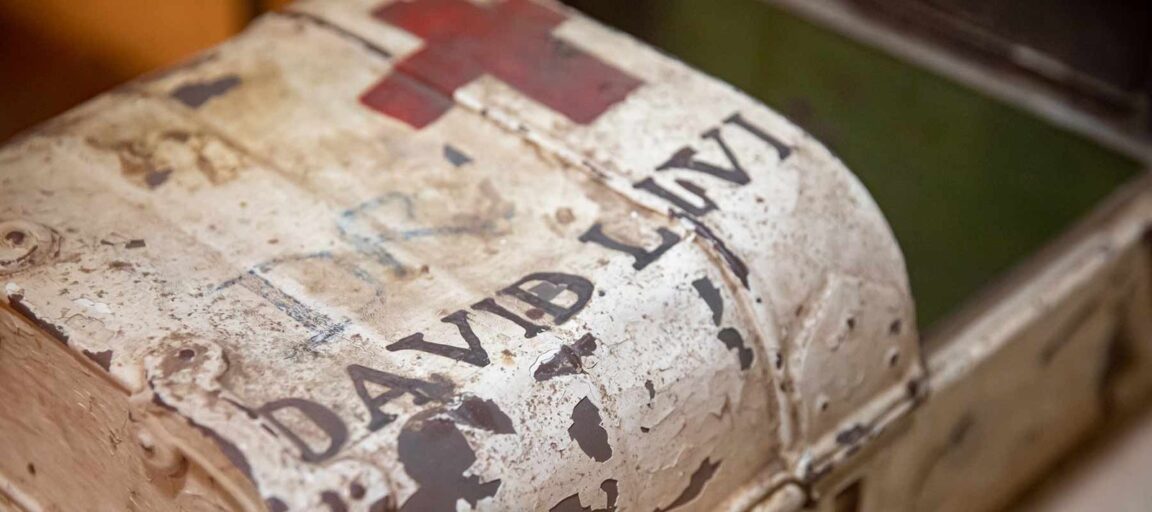
The Livingstone Museum, founded in 1934 as the David Livingstone Memorial Museum, is the rare town museum that genuinely reorders how you see everything after it. Its galleries run from Stone Age tools found in the Zambezi valley through ethnography, natural history and the history of Zambia’s independence movement. The David Livingstone gallery holds his letters, journals and personal effects, including the medical chest that travelled with him. An hour here means that the bridge, the railway and the markets outside stop being scenery and become a connected story about how a river crossing became a capital.
It also sets up the town’s second museum honestly. Livingstone was a railway town as much as a river town: the line arrived in 1905, the Victoria Falls Bridge opened the same year, and for a generation the workshops and sheds employed much of the town. Our 2 days in Livingstone plan builds the falls days in detail. This town day is the layer underneath them.
What is inside the Railway Museum?
The Railway Museum occupies part of the old railway works, and its collection is the heavy machinery of that era: steam locomotives built in Britain and worked on the Rhodesia Railways, passenger carriages, and the memorabilia of the line that carried copper south and everything else north. Alongside it, the Jewish Museum in the same complex records a community most visitors never hear about: Jewish traders and families who settled in Livingstone in the early twentieth century, built businesses on the main street and left a small, documented mark on the town’s history.
The site is open-air and informal compared with the national museum, and that is its charm. Allow an hour, go in the morning before the heat builds on the metal, and combine it with the Livingstone Museum on the same ticket-buying morning, since the two sit a short drive apart and tell one story in two halves: the explorer and the railway that followed him.
How does a Mukuni Village visit work?
Mukuni Village is home to the Leya people, whose chiefdom predates the town by centuries, and visits run through the village itself. A resident guide walks you through the homesteads, explains the layout of compounds, the chief’s palace and the crafts made for sale at the village stalls. The etiquette is straightforward and worth stating: you are a guest in a living village, not a spectator at a reconstruction. Ask before photographing people, dress modestly, and buy crafts at the village stalls if you buy anywhere, since that money stays with the makers.
The visit takes about an hour to ninety minutes and pairs naturally with the falls, since the village lies on the falls side of town. Travellers sorting their entry paperwork first should read our explainer on Zambia’s visa waiver nationalities, since Livingstone is where most visitors first meet Zambian immigration, whether at the airport or the bridge border post.
Which market should you shop at, and in what order?
Do Maramba first and Mukuni Park second, and know what each is for. Maramba Market, south of the centre, is Livingstone’s working market: fruit and vegetables, dried fish, beans, chitenge fabric by the bolt and the everyday goods of a Zambian town. It is for looking, learning and buying fabric and food, and prices are local prices. Mukuni Park Curio Market, on the main road in the centre, is the tourist-facing craft market: wooden carvings, soapstone, baskets, masks and paintings, sold from rows of stalls where bargaining is expected and good-humoured.
The museum-first order pays off here. After the ethnography gallery you can tell a carved mask’s tradition from a generic souvenir, and you will recognise the basketry patterns. Start bids low, keep it friendly, and settle in the middle. Both markets are best in the morning, when Maramba is at full strength and the curio stalls are opening.
What does the main street itself tell you?
Walk Mosi-oa-Tunya Road slowly between the museums. Livingstone’s centre keeps the low, verandahed commercial buildings of its capital years, when this was the seat of government for Northern Rhodesia and the town laid out its streets for a future that moved to Lusaka in 1935. That demotion preserved it. The town never grew over its early fabric, so the walk from the museum toward the falls road passes the old civic buildings, the churches and the small hotels that served the railway age. It is also the practical spine of the day: banks, pharmacies, cafes and the curio market all sit on or just off this road, and a traveller who walks it once in the morning will not need a taxi for anything in the centre again.
How does the day end on the river?
The sunset cruise is the town’s evening ritual, and its mechanics are simple. Boats board from the jetty on the Zambezi above the falls in the late afternoon, cruise the river for about two hours with drinks and snacks served on board, and watch the hippos, elephants and birdlife along the banks in the last light. The boarding point sits on the river road east of town, and most tickets include a transfer from your lodge or hotel, which matters after dark. Book a boat with an upper deck and a stated return time, and carry a layer, because the river cools quickly once the sun drops.
If your route continues to the capital, our guide to entering via Lusaka and the Zambia eVisa covers the paperwork from the other direction. But give Livingstone its day first. The falls will still be there tomorrow, and they make more sense once the town has explained itself.
Frequently asked questions
How much is the Livingstone Museum and when is it open? The museum’s own site lists opening every day from 09:00 to 16:30, closed on 25 December and 1 January, with non-resident entry at US$5 for adults and US$3 for children.
Is Livingstone worth a day without the falls? Yes. The national museum, the Railway and Jewish museums, Mukuni Village and two distinct markets fill a day comfortably, and none of them charges the falls’ entry fee.
Can I visit Mukuni Village independently? Visits are guided by residents of the village. Arrange through your lodge or at the village, ask before taking photographs of people, and buy crafts at the village stalls where the money stays local.
Which market is better for souvenirs? Mukuni Park Curio Market in the town centre is the souvenir market, with carvings, baskets and soapstone and expected bargaining. Maramba Market is the town’s working produce and fabric market.
Where do sunset cruises leave from? From the jetty area on the river road above the falls, east of town. Most operators collect passengers from Livingstone lodges in the late afternoon and return them after the cruise.
Featured image: David Livingstone’s travelling medical chest, its lid stencilled with his name, in the David Livingstone Gallery of the Livingstone Museum. Photo: Livingstone Museum, via livingstonemuseum.org, the museum’s official website, used with credit.