 Elena Vasquez
Pack for the Atacama and the Altiplano as one system, not two trips: a layering set that handles a warm desert afternoon in San Pedro de Atacama at 2,400 metres and a freezing dawn at 4,300 metres on the same day, sun protection built for ultraviolet far stronger than at sea level, boots chosen for salt, gravel and boardwalks rather than trails, and a bag that fits the weight and space limits of a shared 4WD. The traveller who packs for the desert alone will be cold at the geysers. The traveller who packs for the mountains alone will cook in town. The system below is built to do both with one bag.
Quick Facts
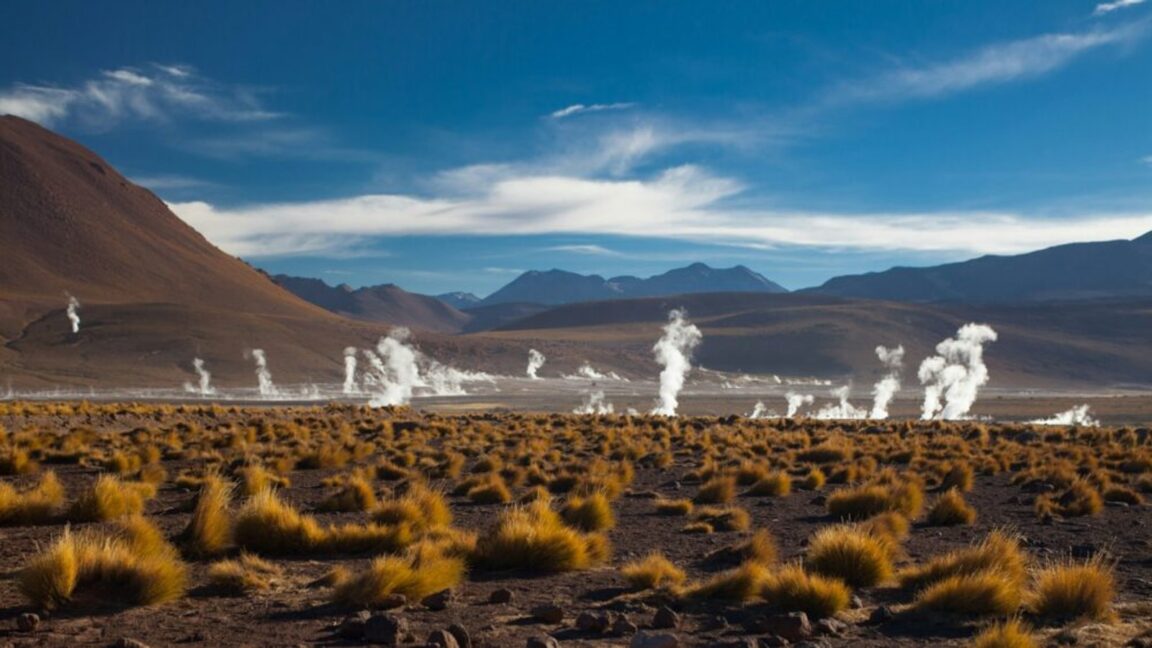
The altitudes: San Pedro de Atacama sits at about 2,400 metres. Altiplano tours climb past 4,000 metres, with the El Tatio geyser field at about 4,320 metres and passes on the Uyuni route higher still.
The temperature swing: Twenty to thirty degrees in a single day is normal: strong sun and t-shirt warmth at midday, below freezing at dawn and after dark in the high country.
The UV: Ultraviolet radiation strengthens with altitude and the dry, clear desert air removes the usual filter. At 4,000 metres and above, exposed skin burns in minutes, and the salt flats reflect it back at you.
The boot answer: Broken-in, ankle-supporting hiking boots or sturdy trail shoes with grip, chosen for salt crust, loose gravel and wet boardwalks, not technical mountaineering boots.
The bag limit: Multi-day 4WD tours to Uyuni carry one main bag per person in the vehicle’s limited cargo space, plus a daypack in the cabin. Confirm your operator’s exact weight limit when booking and pack under it.
The altitude rule: Ascend in stages, hydrate, eat lightly, skip alcohol on the first high nights, and talk to a doctor about altitude medication before the trip, not during it.
How does the altitude layer system work?
Think in four layers, each earning its place. Against the skin, merino or synthetic base layers, top and bottom, because cotton stays cold when it gets damp and the Altiplano makes everything damp with sweat on the climbs and cold the moment you stop. Over that, a mid-weight fleece or grid fleece for insulation you can vent. Over that, an insulated jacket, down or synthetic, that packs small and comes out at every dawn stop, every lagoon viewpoint and every night walk. Outside everything, a windproof shell, because wind at 4,000 metres strips heat faster than still cold ever will, and the Altiplano is rarely still.
The legs follow the same logic: hiking trousers for the day, thermal leggings under them for dawn departures, and the insulated layer carried in the daypack rather than worn from the hotel. Add a warm hat, gloves and a neck gaiter, which together weigh almost nothing and decide whether a 5am geyser visit is a wonder or an endurance test. The system works because the day is a sequence of climates: pre-dawn freeze, desert morning, high lagoon wind, warm town afternoon. Dressing for it means carrying the layers with you, in the daypack, every single day. The same discipline, tuned for a different cold, is in the Patagonia shoulder season packing guide, and the desert half of the problem is covered in the Sahara packing kit.
Why is the sun the real opponent at 4,000 metres?
Because altitude removes your protection twice. The air above you is thinner, so less ultraviolet is absorbed before it reaches your skin, and the Atacama’s famously dry, cloudless sky removes the second filter. Operators and health guidance for the region are consistent: UV at these altitudes is extreme, exposure is year-round, and reflection off white salt multiplies it, burning under chins, noses and ears that a hat misses. Sunburn at altitude also arrives faster than travellers expect, because the cold wind hides the heat that normally warns you.
So the sun kit is not a beach afterthought. SPF 50 sunscreen, applied before departure and reapplied at every stop, including on overcast high days. Lip balm with SPF, carried in a pocket, because cracked and burnt lips are the Altiplano’s most common souvenir. Sunglasses with full UV protection and side coverage, ideally glacier style or wraparound for the salt flats, where the glare is closer to snow than to sand. A wide-brimmed or legionnaire hat that shades the neck. And a long-sleeved sun shirt as the default top layer in town and on the flats, so protection does not depend on remembering a bottle.
Which boots survive the salt flats?
The surfaces decide. Salt crust is abrasive and, in the wet season, sits over brine that eats leather and stains everything white. Lagoon shores are gravel and grit. El Tatio is a boardwalk and gravel field where you walk in the dark, in steam, on ground that can be slick. Town streets in San Pedro are dust and stone. The boot that handles all of it is a broken-in mid-cut hiking boot or a robust trail shoe with a grippy sole, ankle support for the uneven ground, and a mesh or leather build you do not mind sacrificing to salt.
Leave technical mountaineering boots at home: they are heavy, hot in town and overkill for vehicle-based touring. Leave white trainers too, unless they are already retired. Rinse salt off footwear when the operator’s route allows, dry boots away from direct heaters in the basic high-altitude lodgings, and carry a pair of light camp shoes or sandals for the evenings, because feet that rest recover, and the tour’s walking days stack up.
How do you pack inside a 4WD tour’s limits?
The multi-day crossing from San Pedro to Uyuni runs in shared 4WD vehicles, typically Land Cruisers carrying a small group, a driver, food, water, oxygen and everyone’s bags on a roof rack or in a tight cargo space. Space is the real limit, and operators set a main bag allowance per person, with the daypack riding in the cabin. Ask for the exact figure when you book, pack a soft duffel rather than a hard case, because soft bags conform to a shared rack, and keep the main bag under the limit with room to spare: altitude makes every kilo feel heavier at every loading.
Pack the duffel by day, not by garment type, in compression cubes: dawn kit on top, night layers at the bottom. The daypack carries the working system: insulation and shell, sun kit, two litres of water capacity, snacks, medication, camera and batteries, which drain faster in cold, and cash in Bolivian bolivianos for park entries and small fees where cards do not reach. Everything irreplaceable, documents, prescriptions, electronics, stays in the daypack, on your person, never on the roof.
Frequently Asked Questions
How high does an Atacama and Altiplano trip actually go?
San Pedro de Atacama is at about 2,400 metres. The Altiplanic lagoons and El Tatio tours climb above 4,000 metres, El Tatio itself sitting at roughly 4,320 metres, and the Uyuni crossing includes passes higher still. Plan acclimatisation days in San Pedro before the highest tours.
What is the single most forgotten item?
Warm dawn clothing: hat, gloves and a proper insulated jacket. Travellers pack for a desert and meet a freezing, windy dawn at the geysers on their first morning. The layer system in this guide exists to prevent exactly that.
Do I need special boots for the salt flats?
No technical boots. Broken-in hiking boots or sturdy trail shoes with grip and ankle support handle salt crust, gravel and boardwalks. Expect salt to mark them permanently, and rinse and dry them when you can.
How much water should I carry each day?
Carry capacity for at least two litres in your daypack and drink steadily at altitude, refilling at lodgings and stops. Operators carry water on multi-day tours, but personal capacity is what keeps you hydrated between viewpoints.
Should I take altitude medication?
That is a decision for your doctor, made before the trip, based on your history and itinerary. The non-medical rules are fixed: ascend in stages, hydrate, eat lightly, avoid alcohol on the first high nights, and descend if symptoms worsen.
Image: Steam columns across the El Tatio geyser field in the Atacama, Chile. Photo: Kurt Cotoaga, via Unsplash (hosted copy via The Common Traveler), Unsplash License, used with credit.