 Sofia Rossi
Northern Grenada rewards a single, unhurried day built around two working estates, and the order matters: start at River Antoine in the morning, when the water wheel is turning and the cane crush is underway, then drive the short hop to Belmont Estate for a guided cocoa walk and a farm lunch eaten where the ingredients grow. River Antoine is the rum half of the day, a distillery that has produced since 1785 using water power rather than electricity to crush its cane. Belmont is the food half, a 17th century plantation turned organic agritourism estate where cacao moves from pod to finished bar on site. Rushed, either one feels like a photo stop. Paced properly, together they explain how Grenada earned its Spice Isle name better than any beach day can.
Quick Facts
Where: River Antoine Estate near La Poterie and Belmont Estate at Belmont, both in St Patrick parish, north east Grenada.
From St George’s: About an hour by road to Belmont, per the estate itself; River Antoine sits further up the east coast road.
River Antoine: Rum production since 1785; cane crushed by a water wheel dated 1840; Rivers rum bottled at high strength, including a version around 75 percent alcohol.
Belmont Estate: 300 acres of organic farmland and tropical forest; tours, a chocolate factory, a goat dairy and a farm to table restaurant.
Belmont tour range: Five guided experiences listed by the Grenada Tourism Authority, from the Classic Tour to the four hour Tree-to-Bar Chocolate Experience.
Closed day: Belmont’s Classic Tour listing runs Sunday to Friday; the estate is closed on Saturday, so plan this pairing for another day.
Prices checked: 25 November 2026, on the estates’ and tourism authority’s published listings. Confirm on the day, because small estates adjust seasonally.
Why Pair a Rum Distillery With a Cocoa Estate?
Because in northern Grenada the two crafts share one landscape. Sugar cane and cacao grow in the same volcanic soil, in the same rain pattern, within a few miles of each other, and both estates still process their crop within sight of the fields it came from. River Antoine shows the older, heavier industry: cane in, juice boiled, spirit distilled, almost nothing about the method modernised. Belmont shows the newer model built on the same ground: a historic plantation that has converted itself into a regenerative organic farm where the tour, the factory, the dairy and the restaurant all feed each other. A traveller based in the south of the island can anchor the whole northern loop with the harbour and hill forts covered in this St George’s harbour and Carenage walking guide, then give the north its own full day rather than squeezing it into the drive back.
River Antoine in the Morning: The Water Wheel Comes First
The distillery’s centrepiece is the water wheel, made in 1840 by George Fletcher and Co of London and still turned by water channelled from the River Antoine. The wheel drives the rollers that crush the cane, and that single fact shapes the visit: this is a working production floor, not a museum reconstruction, so what a visitor sees depends on where the day’s work has reached. Cane is cut, crushed, the juice is boiled down in open copper vats over wood fires, fermented, and then distilled in pot stills, a sequence the guided walk follows in order. Arrive in the morning and the machinery is far more likely to be in motion than in the quiet of mid afternoon.
The rum at the end of that process is famously strong. Rivers, the estate’s white rum, is bottled at around 75 percent alcohol in its full strength version, with a slightly reduced version produced for export. That strength has a practical consequence every visitor should hear before the tasting: spirits above 70 percent alcohol cannot travel in cabin baggage and are restricted even in checked luggage on many airlines, so the bottle bought at the estate is one to pack with care or to enjoy on the island. The tasting itself is small and direct, a thimble of something that makes most Caribbean white rums taste diluted, and it is entirely reasonable to ask for the smallest pour on offer.
What the River Antoine Tour Actually Covers
The guided walk is short, usually well under an hour, and covers the wheel, the crushing mill, the boiling house and the stills, with the guide explaining each stage as the work happens around the group. There is no large visitor centre and no scripted show; the estate’s appeal is precisely that production never stopped long enough to become heritage theatre. Photography is generally welcomed, closed shoes are a sensible choice on wet stone and earth floors, and cash in Eastern Caribbean dollars is the safest way to pay small fees and buy bottles. Travellers combining the distillery with the wider island should treat it as the morning anchor of a northern day, not a detour: the east coast road north of Grenville is slow, scenic and not a road to hurry in the dark.
Belmont Estate: Cocoa From Pod to Bar
Belmont Estate’s own tour programme is built in layers, and choosing the right layer is the main decision of the day. The estate describes itself as the Caribbean’s authentic agritourism destination, set among 300 acres of fertile organic farmland and lush tropical forest, and its published range runs from the Classic Tour through a dedicated Grenada Chocolate Experience to the four hour Tree-to-Bar Chocolate Experience, plus organic farm and goat dairy tours. The Grenada Tourism Authority’s Belmont Estate listing confirms the same five experience structure and adds the practical detail that tours can now be viewed and bought online in advance, and restaurant tables reserved the same way.
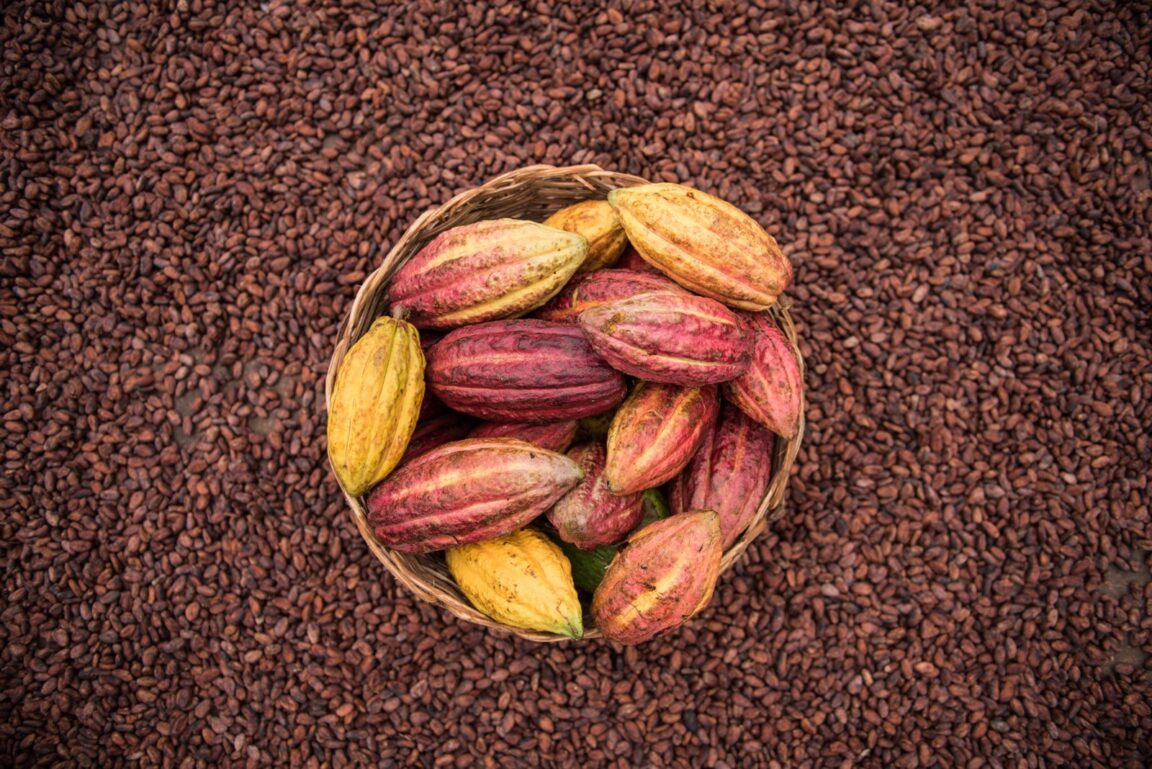
The Classic Tour is the right choice on a paired day with River Antoine: a guided circuit of roughly an hour through cacao cultivation, the fermentary and drying trays, the chocolate factory, tropical gardens, historic ruins and the farm animals, with chocolate samples along the way. The Tree-to-Bar experience is the deeper commitment, around four hours of harvesting, fermenting, drying and making, with a chocolate themed lunch included in its published description; it deserves a day of its own and advance booking. What makes Belmont more than a chocolate stop is the breadth around the cacao: a working goat dairy producing cheese, spices and tropical crops across the farm, and a heritage layer that does not hide the estate’s plantation past, which the current owners frame openly as transforming a relic of an oppressive history into a community business.
The Working Estate Lunch: Eating Where It Grows
Lunch at Belmont is the point where the tour becomes a meal with a supply chain measured in metres. The estate restaurant serves Grenadian and Creole dishes built on fresh ingredients from the estate and local producers, as the tourism authority’s listing puts it, and the estate’s agritourism pages describe the same farm to table promise: savour a meal at the restaurant after walking the farm it came from. Expect the island’s Creole kitchen rather than fine dining formality: callaloo, local fish, chicken in island sauces, ground provisions such as yam and dasheen, plantain, and salads and vegetables that change with what the farm is picking. Chocolate appears where it belongs, in cocoa tea, in desserts and in the shop by the register, rather than forced into every course. Book the table when the tour is booked; the restaurant is popular with tour groups at midday, and a reservation is the difference between eating at leisure and eating to a bus schedule.
Before leaving, the shop is worth ten unhurried minutes. Belmont’s own bars, cocoa products, spices and goat cheese travel well and carry the estate’s name honestly, which makes them better souvenirs than airport generics. Travellers continuing around the Caribbean will find the contrast instructive: the plantation great house model assessed in this Cobbler’s Cove Barbados hotel guide and the Piton view luxury of the Sugar Beach Viceroy St Lucia review are the polished end of the region’s estate tradition, while Belmont and River Antoine are its working end, and the north Grenada day is richer for showing both rum and cocoa still being made rather than merely remembered.
How to Pace the Day Without Rushing Either Estate
Leave St George’s early enough to reach River Antoine in the morning, tour the distillery while production is running, then drive to Belmont for a late morning Classic Tour and a lunch reservation in the early afternoon. That order works for three reasons. The distillery rewards an early arrival because the work is underway. Belmont’s tour plus lunch naturally fills the middle of the day, when the northern sun makes field walking least pleasant and a shaded restaurant table most welcome. And the drive back south in mid afternoon leaves the evening free, rather than ending the day on the east coast road after dark. Anyone sailing the region instead of basing on one island can slot Grenada into the independent port planning in this western Caribbean cruise ports guide, and pack for shore days like this one using the Caribbean cruise winter packing guide, whose closed shoe and day bag advice applies exactly to estate floors and farm paths.
Practical Notes Before You Go
Belmont is closed on Saturdays, and its Classic Tour is listed Sunday to Friday, so a Saturday plan for this pairing fails at the first step. River Antoine keeps weekday production hours and is best treated as a Monday to Friday visit. Both estates sit in St Patrick parish, roughly an hour or more from the capital by road, so a rental car or a hired driver for the day is the realistic transport; local buses reach Grenville and the north in stages, but they do not serve a two estate schedule kindly. Carry small bills in Eastern Caribbean dollars, wear enclosed shoes, and bring water and sun protection for the field sections of both tours. Finally, buy rum with the flight home in mind: the full strength Rivers bottle is a checked baggage and airline rules question, not a carry on souvenir.
Frequently Asked Questions
Can River Antoine and Belmont Estate really be done in one day?
Yes, and the pairing is the standard northern Grenada day. River Antoine’s tour is short and production focused, Belmont’s Classic Tour runs about an hour, and the two estates sit in the same parish. Start at the distillery in the morning, take Belmont’s tour late morning, and reserve lunch at Belmont afterwards.
Which Belmont tour should a first time visitor choose?
On a paired day, the Classic Tour, which covers cacao, the factory, gardens and farm animals with tastings in about an hour. The four hour Tree-to-Bar Chocolate Experience is the better choice only when Belmont is the whole day, and it needs advance booking through the estate’s tours page.
Is the Rivers rum at River Antoine really that strong?
Yes. The estate’s signature white rum is bottled at around 75 percent alcohol, with a reduced strength version made for export. Taste small, and remember that spirits above 70 percent alcohol face airline baggage restrictions, so plan how the bottle travels before buying it.
What is served at the Belmont Estate lunch?
Grenadian and Creole dishes built on estate grown and locally produced ingredients: island staples such as callaloo, fish, chicken, ground provisions and plantain, varying with the farm’s harvest, plus cocoa tea and chocolate desserts. Reserve the table when booking the tour, as the tourism authority’s listing confirms reservations are taken online.
When should this day not be planned?
Not on a Saturday, when Belmont is closed, and not as a late start. The distillery’s working floor and Belmont’s midday restaurant both reward a morning departure from St George’s, about an hour away by road.
Image: A basket of ripe cacao pods on a bed of drying cocoa beans at Belmont Estate, Grenada. Photo: Belmont Estate, via its official website (belmontestategrenada.com).