 Rafael Santos
Salta works best as a slow week, not a stopover. Stay in the colonial centre for the full seven days, spend the first two days on foot around Plaza 9 de Julio and its museums, give the Cafayate road two days with an overnight in Cafayate itself, and keep every high altitude outing separate, spaced and optional. The city sits at 1,187 metres, Cafayate is lower than the high passes, and the famous train and the Cachi road both climb far higher, so a patient base in town is the difference between enjoying the Calchaqui Valleys and spending the week tired, headachy and rushed.
Quick Facts
- Base: Salta city, in the Lerma Valley in northwest Argentina, founded in 1582.
- City altitude: 1,187 metres above sea level, high enough to notice, low enough to settle in before bigger climbs.
- Ideal length: Seven days, with two days in town, two days for Cafayate, and buffer days between altitude outings.
- Key museum: The Museo de Arqueologia de Alta Montana, known as MAAM, by Plaza 9 de Julio.
- Cafayate distance: 192 kilometres from Salta, according to the official Salta tourism site, through the Quebrada de las Conchas.
- Wine signature: Torrontes, grown in Cafayate vineyards that rise from 1,600 to 3,100 metres.
- Highest outing: La Polvorilla viaduct on the Tren a las Nubes route, at 4,220 metres above sea level.
- Best rhythm: One major outing, then a quiet day. Never stack the train, Cachi and Cafayate back to back.
Why Salta Rewards a Whole Week
Many visitors give Salta a night on the way elsewhere, and that timing flattens it. The centre is compact and walkable, and the museums need unhurried time. A week changes the maths: instead of choosing between the southern valleys, the high Puna route and the town itself, a slow traveller can do each, with rest days and a spare day if weather cancels a service.
Start planning with the official Salta tourism authority at Visit Salta. Use it to keep the geography straight. The Calchaqui Valleys lie south and southwest, through Cafayate and up Route 40 toward Cachi. The train route runs west and up. Those are different days, in different directions, at very different altitudes.
Readers who have seen the region covered as a fast highlights run will find a useful contrast in our earlier guide to Salta and its red canyons in the colonial northwest. This plan is different. It is not about collecting every canyon in three days. It is about using one hotel, one neighbourhood and one steady pace, and letting the big landscapes arrive one at a time.
Days One and Two: The Colonial Centre on Foot
Start at Plaza 9 de Julio and stay within a few blocks for the first two days. The square is the social and historic heart of the city, ringed by the Cathedral, the Cabildo and cafes under arcades. Walk it at different times of day. Evening, when the facades are lit, makes the strongest case for the nickname Salta la Linda, Salta the Beautiful.
Give the MAAM its own morning. The museum presents the Llullaillaco children, three Inca children found in 1999 on the summit of the Llullaillaco volcano. The museum itself explains that the volcano stands at 6,739 metres and that, for strict conservation reasons, the MAAM displays the Llullaillaco children one at a time, not all three together. Go slowly through the galleries on the Capacocha ceremony and funerary objects first, so the final room lands with context. Check current opening arrangements on the museum site before you go.
Balance the MAAM with the Cabildo, home to the Museo Historico del Norte, and with the Iglesia San Francisco, whose tall bell tower and richly coloured facade are among the most recognisable sights in the centre. None of this needs transport, tickets booked weeks ahead or an early alarm. That is the point of days one and two. Arrive, sleep at city altitude, learn the history that the rest of the week will be travelling through, and keep both evenings free for a pena.
Penas, Empanadas and Evenings in Town
A pena is a folk music venue where food, guitars and singing share the same room, and in Salta it is not a tourist extra. It is a central part of how the city spends its evenings. Choose one pena for a full evening rather than sampling several briefly, order regional food, and stay for the music after the meal. Empanadas saltenas, locro, humitas and tamales recur on menus across the centre and in Cafayate, and the official Cafayate pages list the same regional dishes among the valley staples. Eat the big meal at lunch when you can, and keep evenings before altitude days light.
Balcarce Street, north of the plaza, concentrates bars and penas and is the simplest area for a first evening. Keep day two light: sit in the plaza, visit one more small museum, and go up Cerro San Bernardo for the view over the city and the Lerma Valley only if the weather is clear and you feel rested.
Days Four and Five: The Cafayate Road in Two Days
Do not do Cafayate as a day trip in a slow week. The road deserves two days, and Cafayate deserves an evening and a morning. The official town page states plainly that Cafayate lies 192 kilometres from Salta and is known for the reddish rock formations crossed to reach it, and it describes the wine route segment as 186 kilometres and about three and a half hours. That is driving time without stops, and the Quebrada de las Conchas is where you should stop.
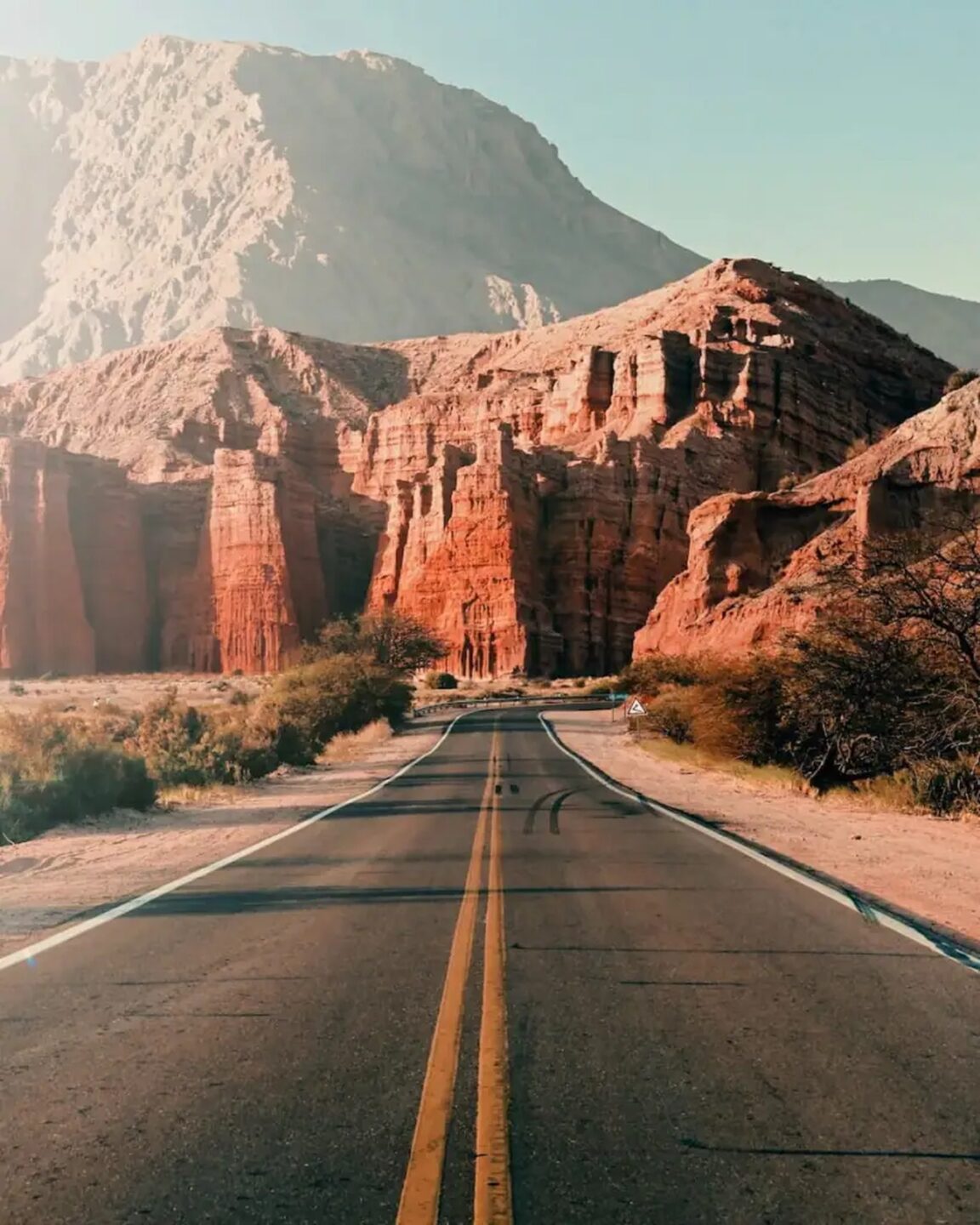
Leave Salta after breakfast on day four, not at dawn. Route 68 runs south through the Lerma Valley before the country dries, reddens and narrows into the Quebrada de las Conchas, a protected provincial reserve of eroded red rock. Named formations along the gorge include the Anfiteatro, a natural amphitheatre, and the Garganta del Diablo, a deep cleft in the rock, as well as Los Castillos, towers that rise beside the road. With two days, there is no need to rank them or rush them. Stop where parking is safe and marked, walk the short paths, drink water, and let the light change the colour of the walls as the day moves.
Arrive in Cafayate in the afternoon and keep the evening simple: the plaza, the cathedral, which the official page notes was built in 1885 and preserves five naves, and dinner in town. Save wineries for day five morning, choosing one or two bodegas carefully. The grape to understand is Torrontes, the characteristic variety of the zone, aromatic and fruity according to the official wine route description. The same source notes that valley vineyards climb from 1,600 to 3,100 metres, which is why Cafayate talks about high altitude wine. Visit the Museo de la Vid y del Vino for the production story before a tasting.
Drive back to Salta on the afternoon of day five, in daylight. Route 68 is paved, but the gorge section is winding and unlit in character, and a slow traveller has no reason to run it tired or after dark. Back in Salta that evening, the week resets. You have seen the southern valleys properly, slept in them, and returned to base with two days still in hand.
That base and return pattern is worth comparing with other colonial cities used as hubs. Our Cuenca travel guide for Ecuador makes a similar case for sleeping in the historic centre and day tripping outward, and travellers planning a Caribbean colonial stop can contrast it with our two days in Santo Domingo Colonial Zone and along the Malecon. In each case the historic core is not just a bed. It is the anchor that makes the outlying days calmer.
Altitude Discipline: The Rule That Holds the Week Together
Altitude is the planning fact most visitors underestimate here, because Salta itself feels easy. At 1,187 metres most travellers settle quickly, and that comfort can create false confidence. The outings climb steeply from there. San Antonio de los Cobres, where the train is boarded, sits at about 3,774 metres. La Polvorilla reaches 4,220 metres. The Cachi road crosses a high pass at Piedra del Molino, well above 3,000 metres, before dropping to the town. Each of those is a major altitude exposure, and none should follow another without a lower, quieter day between them.
The practical rules are simple and worth stating plainly. Sleep at least two nights in Salta before any high outing. Eat lightly the night before and on the day, avoid alcohol before a high day, carry water, and move slowly at the top stops rather than striding out for photographs. Build the return to Salta into the plan as recovery, not as a chance to fit in a late pena. Anyone with a heart or respiratory condition, or anyone who has reacted badly to altitude before, should take medical advice before booking a high route at all. That is not caution for its own sake. It is how a good week stays a good week.
The train operator underlines the point in its own wording. The official Tren a las Nubes site warns passengers that the excursion is considered high mountain and could be cancelled for safety in adverse weather conditions. Treat that warning as part of the itinerary, not as fine print. If the service is cancelled, the spare day in a slow week absorbs it. In a three day trip, it would end the plan.
Argentina own tourism portal explains that the circuit begins with a vehicle departure from Salta and the train section starts in San Antonio de los Cobres, climbing to more than 4,200 metres on the Train to the Clouds. Book only through the official channel and confirm the current format close to the date. Do not rely on old descriptions of a single all rail journey from Salta station.
Day Six, If You Want It: Cachi or the Train, Not Both
A slow week earns one more big outing, not two. Choose between them by interest and by how you have felt at altitude. Cachi, reached west and then south through the Cuesta del Obispo and across to Route 40, suits travellers who want a whitewashed Calchaqui town, cardon cactus country and another valley night or a long scenic day. The train suits travellers who want the engineering story, the Puna and La Polvorilla in a single organised excursion. Either is a full commitment. Doing both in the last two days, after Cafayate, is how an otherwise well judged week tips into exhaustion.
Keep day seven empty. Use it for the museum you missed, a long lunch and a final evening in the plaza. If the high outing was postponed, day seven is the fallback. If it ran on time, day seven is the reward, and the feature that makes the itinerary resilient.
Many mountain trips fail because avoidable errors were stacked at the start, which is the theme of our guide to mistakes to avoid in Interlaken. In Salta the equivalents are climbing on arrival day, day tripping Cafayate, and booking the train after a late pena. A slow week removes all three.
Frequently Asked Questions
How many days does Salta actually need?
Seven days suits the slow plan in this guide: two in town, two for Cafayate with an overnight, one optional high outing, and buffer days between climbs. Two or three days covers the centre and one excursion, but forces hard choices and removes the weather fallback.
Is Cafayate worth an overnight, or is a day trip enough?
An overnight is worth it. The official distance is 192 kilometres each way through the Quebrada de las Conchas, and the gorge stops, an evening in Cafayate and a morning winery visit cannot be done well inside a single day return.
Which is the best first museum in Salta?
The MAAM, by Plaza 9 de Julio. Its Llullaillaco galleries explain the Inca high mountain world that the rest of the region travels through. Go in the morning of day one or two, and check the museum official site for current arrangements before visiting.
How high does the Tren a las Nubes go?
To La Polvorilla viaduct at 4,220 metres above sea level, boarding at San Antonio de los Cobres at about 3,774 metres. The operator classifies it as a high mountain excursion and warns it may be cancelled in adverse weather, so keep a spare day.
Should Cachi and the train be done in the same week?
They can be, only if they are spaced with low days between them and you have felt well at altitude. For most slow travellers, choosing one is the better judgement. Both cross high ground, and stacking them after Cafayate removes the rest that makes the week work.
What wine should a first time visitor taste in Cafayate?
Torrontes. It is the characteristic grape of the zone in the official Salta wine route description, known for intense aroma and fruity flavour, grown in vineyards that rise from 1,600 to 3,100 metres.
Image credit: Calchaqui Valley, Salta, Argentina. Photo by Ignacio Aguilar via Unsplash, Unsplash License.