 River Callahan
Eating in Dry Tortugas National Park means eating what you brought, because there is no restaurant, no shop and no drinking water for sale or refill on Garden Key. The National Park Service states it plainly: there are no facilities selling food and drinks inside the park, and visitors should bring snacks, food and beverages for the whole stay. The one exception is the journey itself: the Yankee Freedom ferry ticket includes a continental breakfast and a boxed lunch for its passengers, plus a limited snack bar on board, while seaplane passengers get far less ashore time and should carry everything they plan to eat. Choose the ferry if a bundled lunch and 4.5 hours ashore matter to you; choose the seaplane if a 40-minute flight and a quieter fort matter more. Everything else about eating here is packing discipline.
Quick Facts
- Location: Seven small islands about 70 miles west of Key West, Florida. Reachable only by boat or seaplane. Garden Key holds Fort Jefferson, the campground and the public dock.
- Park entrance fee: $15 per person, valid for 7 days, free for visitors aged 15 and under. Ferry tickets include the fee; seaplane passengers pay it separately at check-in. The park is cashless.
- Food in the park: None for sale. No restaurant, no store, no vending. The ferry sells limited snacks and drinks on board to its own passengers, and its meals are for passengers only.
- Water: No fresh water supply on Garden Key. Carry all drinking water. NPS campground guidance recommends two gallons per person per day for campers, plus an extra day of food and water in case of ferry cancellations.
- Ferry: Yankee Freedom, the sole commercial passenger ferry. Check-in by about 7:00 AM, departure 8:00 AM from Key West, return about 5:30 PM, with about 4.5 hours on Garden Key. Ticket includes park fee, breakfast, boxed lunch, snorkel gear and a guided fort tour of about 45 minutes.
- Seaplane: Key West Seaplane Adventures, the only seaplane service permitted in the park. About 40 minutes each way. Half-day trips allow at least 2.5 hours on Garden Key; full-day trips at least 6.5 hours. No camper transport.
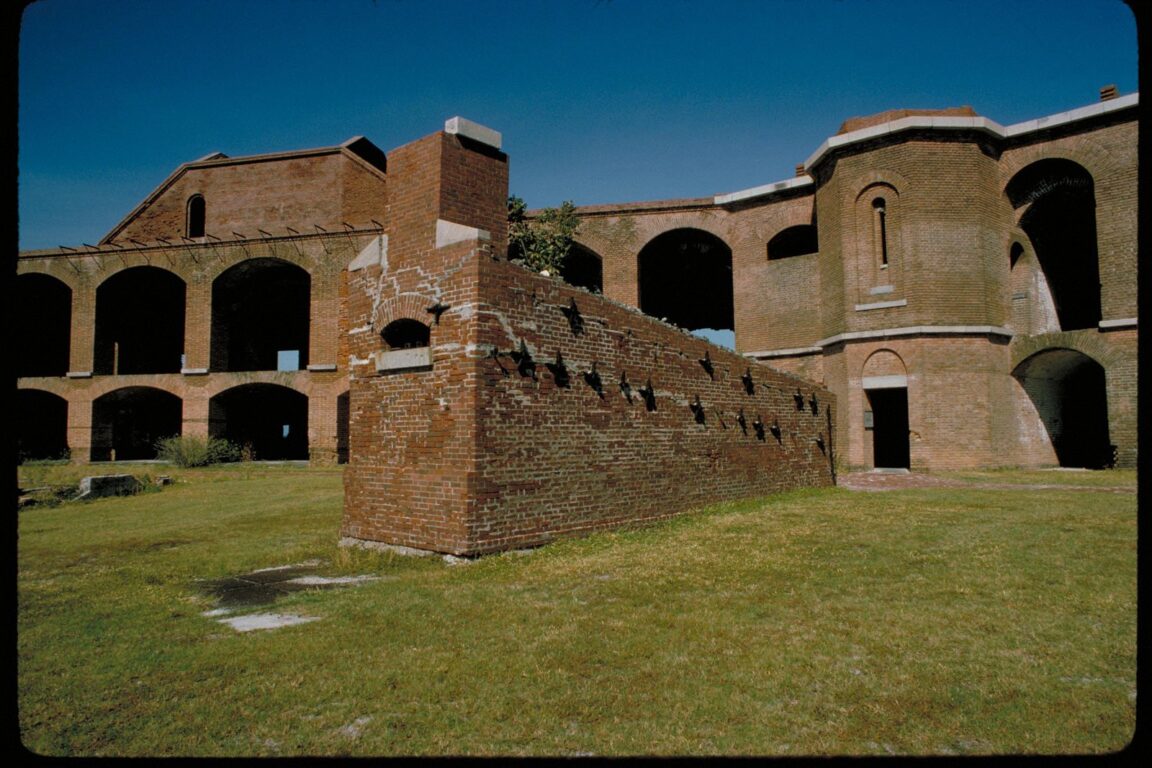
- Fort Jefferson: Built 1846 to 1875 and never finished, using more than 16 million bricks. It is among the largest brick masonry structures in the Americas. Open during daylight hours.
- Park rule: Pack in, pack out. All trash leaves with you.
What can you actually eat on Garden Key, hour by hour?
Start with the honest inventory. A ferry day visitor eats three times: breakfast on the outbound crossing, the boxed lunch that comes with the ticket, eaten at the picnic tables near the fort or on the beach, and whatever personal snacks were packed for the gaps. A seaplane visitor eats what fits in a daypack, because the flight carries a cooler with drinks but the island offers nothing to buy. A camper eats entirely from a hard-sided container system planned days earlier. There is no fourth option, no dockside cafe, no ranger-station sandwich. That constraint shapes the whole visit more than the snorkelling does, because heat, salt water and a long boat ride all sharpen appetite, and the nearest alternative food is 70 miles behind you in Key West.
The practical menu that works is unglamorous: a real breakfast before or on the ferry, a lunch with protein and salt, frozen water bottles that thaw through the day, and a reserve snack that survives heat without spoiling. Fruit, trail mix, hard cheese, cured meat and sturdy sandwiches travel well. Anything needing refrigeration beyond a few hours, anything in a soft bag a crab or rat can reach at the campground, and anything fragile enough to become sauce inside a backpack does not. Eat the perishable food first, keep the reserve sealed, and treat the ferry ride home, where drinks and snacks are sold on board, as the final course rather than the plan.
Ferry or seaplane: which choice feeds you better?
The ferry wins on food, time structure and value, and it is not close. The Yankee Freedom crossing takes about 2 hours 15 minutes each way, and the ticket bundles the $15 park fee, breakfast, a boxed deli lunch, snorkel gear and the guided fort tour. You land at Garden Key with the logistics already solved and about 4.5 hours to divide between the fort, the moat wall, the beach and the water. The cost of that convenience is company: the ferry carries the day’s main visitor group, and it sells out, with booking 3 to 6 months ahead the standing advice for winter and spring. Current published day-trip pricing varies by source and season, with recent guides listing adult fares from about $220 to $260, so confirm the live fare at booking rather than trusting any single figure, including ours.
The seaplane wins on everything except lunch. Forty minutes each way buys a low flight over the reef, an arrival that can beat the ferry crowd, and, on the full-day option, about 6.5 hours on the island including the quiet stretch after the ferry leaves. Half-day trips allow at least 2.5 hours ashore, enough for the fort and a swim but tight for both plus a relaxed meal. Published seaplane pricing also varies by season, with recent listings around $461 to $527 for a half day and $800 to $910 for a full day, plus the $15 park fee collected at check-in. Whichever fare you pay, the food rule is identical: the plane does not feed the island day for you. Pack lunch as if the flight were a hike, because on Garden Key it effectively is.
Readers comparing remote park logistics may also enjoy our weekend guide to Indiana Dunes National Park, a park at the opposite extreme of access, and our Cuyahoga Valley National Park in winter guide, where the food problem is weather rather than distance.
How should you sequence the fort, the food and the water?
The stops between Key West and a fed, unhurried afternoon run in one reliable order. Stop one is the Key West ferry terminal in the morning: check in by about 7:00 AM with the park fee already inside your ticket, and eat the included breakfast on the crossing instead of skipping it. Stop two is the fort on arrival: take the guided tour first, about 45 minutes, while the light is good and before heat builds, then walk the upper level and the moat wall on your own. Stop three is lunch in shade, before swimming, not after; snorkelling on an empty stomach in subtropical heat is how good days turn. Stop four is the water: snorkel gear is included for ferry passengers, the swim areas sit close to the fort, and the coral and fort walls hold the best of it. Stop five is the beach and the harbour lighthouse view with your reserve snack, timed so you are back at the dock before the boarding call rather than sprinting for it. Seaplane visitors compress the same order: fort first, swim second, packed lunch in shade between them, and nothing left to chance at the end.
What changes if you camp, and what do campers eat?
Camping turns the food question from a packing list into a survival system, and NPS guidance is specific. The Garden Key campground is primitive and first-come, first-served for individual sites, with a nightly fee of $15 per site and $30 for the group site, and a park carrying capacity of 68 campers. Campers must bring everything: tent, fresh water, ice, fuel strategy and all food, with two gallons of water per person per day recommended and an extra day of supplies against ferry cancellations. The ferry limits camper gear to 60 lbs plus water and does not carry liquid or gas fuels such as propane or lighter fluid, so self-starting charcoal for the campsite grills is the sanctioned cooking route, alongside no-cook food. Store everything edible, and all trash, in hard-sided containers: rats have lived in the Tortugas since human arrival, they climb the hanging posts provided, and they chew through tents and packs that smell of food. The seaplane cannot help campers at all, since its park permission covers day tours only.
For a cost frame on a very different park trip, see our breakdown of what a trip to Theodore Roosevelt National Park actually costs, where the budget lines are beds and overlooks rather than water and charcoal.
Frequently Asked Questions
Is there a restaurant or shop in Dry Tortugas National Park?
No. NPS confirms there are no restaurants or facilities selling food and drinks in the park. The ferry sells limited snacks and drinks on board to its passengers only. Bring everything else with you.
Does the ferry ticket include food?
Yes. The Yankee Freedom day trip includes the $15 park entrance fee, a continental breakfast, a boxed lunch, snorkel gear and a guided Fort Jefferson tour of about 45 minutes. Confirm inclusions for your sailing date at booking.
How much water should I bring?
For a day trip, carry more than you expect to drink and freeze part of it. For camping, NPS recommends two gallons per person per day, plus an extra day of food and water in case the ferry is cancelled. There is no fresh water supply on Garden Key.
Is the seaplane worth it if I care about a relaxed lunch?
The seaplane buys time and quiet, not food. Full-day passengers get at least 6.5 hours ashore, which allows a relaxed packed lunch in shade. Half-day passengers get at least 2.5 hours, which suits the fort and a swim better than a long meal. Either way, you pack the lunch.
Can I pay cash in the park?
No. The park is cashless. Ferry passengers have the entrance fee inside the ticket. Seaplane passengers and private boaters pay the $15 fee by card or pass, with America the Beautiful passes accepted.
When should I book the ferry?
As early as your date allows. The ferry is the only commercial passenger ferry, capacity is limited, and winter and spring dates sell out months ahead. Three to six months is the standing planning window for peak season.
Facts checked 16 November 2026 against National Park Service Dry Tortugas pages for fees, campground guidance and frequently asked questions, and current Yankee Freedom and Key West Seaplane Adventures service summaries. Fares vary by season; confirm the live fare and inclusions before booking.