 Aiko Tanaka
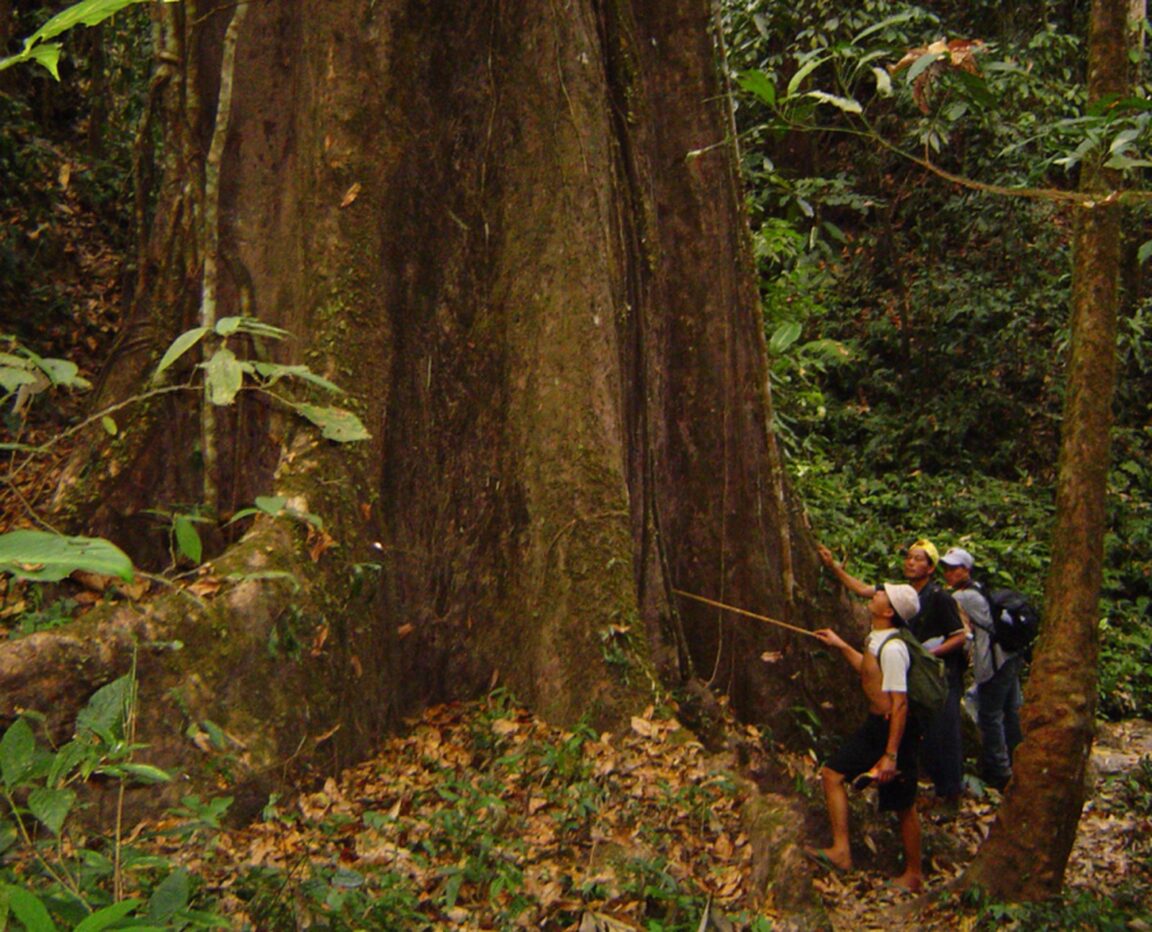
Nam Ha is not a park you visit on your own, and understanding that is the whole key to the trip: every trek into this ASEAN Heritage Park is guided, booked through tour companies in Luang Namtha town, usually a day ahead, with licensed local guides leading you on forest trails to village homestays in Khmu, Akha and other communities. There is no gate where you buy a walk up ticket and set off alone. You choose a route, most famously the Nalan Trail to a Khmu village on the Nam Ha River, you confirm exactly what the price includes, and the forest does the rest.
Quick Facts
- Where: Nam Ha National Protected Area, Luang Namtha Province, northern Laos. The gateway town is Luang Namtha.
- Status: Designated an ASEAN Heritage Park in 2003, per Luang Namtha Tourism, the official provincial tourism site. The protected area covers roughly a quarter of Luang Namtha Province.
- Guides: Compulsory. Treks are booked through local tour companies in Luang Namtha town and led by licensed local guides. Independent trekking is not the system here.
- Signature route: The Nalan Trail, a forest trek to the Khmu village of Nalan on the Nam Ha River, with an overnight village stay. It has received an ASEAN tourism award, per the provincial tourism site.
- Stay options: Village homestays, jungle camps and an eco lodge, depending on route, per Luang Namtha Tourism.
- Booking: In person in Luang Namtha, ideally the day before you trek. Confirm in writing what the price includes: guides, transport, meals, water, bedding and any park or village fees.
- Prices checked: 16 November 2026. Trek prices are quoted by operators in town rather than published as a single official tariff, so no fixed price is stated in this guide.
What is Nam Ha Protected Area?
Nam Ha is one of the most important protected forests in mainland Southeast Asia, a vast sweep of evergreen and mixed forest, river valleys and mountain ridges in Luang Namtha Province, close to the borders with China and Myanmar. Luang Namtha Tourism, the provincial authority, describes a protected area covering about 24 percent of the province, recognised as an ASEAN Heritage Site in 2003. Its ecotourism project has collected a string of international awards over two decades, including a United Nations Development Programme award for the Nam Ha ecotourism project, a British Airways Tourism for Tomorrow award, and the Equator Prize for the Nam Ha Ecoguide Service, a record the provincial site lists with justified pride.
The human landscape matters as much as the forest. More than 30 ethnic groups live in and around the protected area, and the trekking system was designed so that visitor money reaches those villages directly through guiding work, homestays, food and village funds. That is why the guide rule exists. It is not bureaucracy. It is the conservation model, built after the 1990s, when untrained guiding and unmanaged visits began to damage the very village life travellers came to see. When you book through a Luang Namtha operator, you are buying into that system, and choosing a responsible operator is the single most important decision of the trip.
How do trek permits and booking actually work?
There is no separate permit counter for independent walkers. The practical system works like this. You arrive in Luang Namtha town, where the trekking companies line the main street. You compare routes, group sizes and inclusions, and you book, ideally a day ahead, so the operator can arrange guides, village hosts and food. The operator handles the protected area arrangements as part of the trek, and fees that support the park and villages are built into responsible operators’ prices. Your job is to verify the build. Ask who leads the trek, which villages you sleep in, what the group maximum is, and exactly what is included, then get it in writing.
Day treks exist for travellers short on time, but the overnight routes are the point of Nam Ha. Sleeping in a village, eating what the forest and the village provide, and walking out on a different trail the next day is a fundamentally different experience from a day loop. Two and three day treks are the standard formats, with longer routes for walkers who want deeper forest. The provincial tourism information center in Luang Namtha is the official first stop for maps and current advice, and any operator unwilling to explain its permit, guide and village payment arrangements clearly should be crossed off your list.
What is the Nalan Trail like?
The Nalan Trail is the signature Nam Ha walk. It leads through forest to Nalan, a Khmu village on the banks of the Nam Ha River, where trekkers stay overnight in village accommodation arranged through the trekking system. The walking mixes river crossings, bamboo and evergreen forest, and farmland at the forest edge, where guides explain the cardamom, banana and other crops that village livelihoods depend on. The river itself is the social center of the stay, used for washing, swimming where your guide advises, and the simple pleasure of sitting by moving water at the end of a humid day.
Other formats include forest camp treks, where you sleep in a jungle camp rather than a village, and combined trek and kayak trips on the Nam Ha and Nam Tha rivers. The provincial tourism site notes that low water from December to June can limit river trips, so kayaking plans belong in the wetter months and should be confirmed close to the date. Our guide to Luang Prabang covers the natural onward stop for most Laos itineraries, and the contrast is instructive: Luang Prabang is Laos at its most polished, Nam Ha at its most elemental.
What are the village homestay rules?
Village stays run on respect, and the rules are simple, consistent and explained by your guide. Ask before photographing people, and accept no gracefully. Dress modestly in villages, especially when bathing in rivers. Follow your guide’s lead on greetings, on entering houses, and on what may be touched, entered or photographed around shrines and communal buildings. Gifts, if you bring them, go through the guide or village host rather than directly to children, and buying local weaving and crafts at a fair price does more good than handouts. Alcohol appears on some treks, and moderation is both polite and practical before a day of humid walking.
Expect simple conditions and plan for them honestly. Bedding is provided on organised treks, usually a mattress, blanket and mosquito net in a homestay or camp. Toilets are basic. There is no reliable phone signal inside the protected area, which most trekkers end up counting as a feature. Carry small cash for crafts and extras, a head torch, rain protection in any season, and a dry bag for electronics, because river crossings and tropical downpours are both normal.
When should you go to Nam Ha?
The dry, cooler months from roughly November to February offer the most comfortable walking, with clearer trails and easier river crossings. The wet season, broadly May to October, turns the forest lush and dramatic but brings leeches, slippery trails, swollen streams and occasional route disruption after heavy rain. Shoulder months trade a little rain for quieter trails. There is no wrong season for a guided trek, because guides adjust routes to conditions, but there is a wrong expectation: Nam Ha is humid, physical walking in real forest, not a garden stroll, in every month of the year.
Build Luang Namtha into a northern Laos route rather than treating it as a detour. The town itself has markets, temples and a growing traveller strip, and it connects onward by road and by the Laos China railway corridor through the region. Travellers who enjoy permit and guide systems that protect fragile places will find the same philosophy, differently applied, in our guide to visiting Angkor Wat, where timing and ticketing shape the experience just as much.
Frequently Asked Questions
Do you need a permit to trek in Nam Ha?
You need a guided trek booked through a Luang Namtha operator. Protected area arrangements and fees are handled as part of that booking rather than through a separate permit you buy to walk alone. Confirm the inclusions in writing when you book.
Can you trek in Nam Ha without a guide?
No. Guided trekking is the system in Nam Ha. Trails are unmarked, the forest is dense, routes cross village lands, and licensed local guides are compulsory. Book through a tour company in Luang Namtha town.
How much does a Nam Ha trek cost?
Prices are quoted by operators in town and vary with route length, group size and inclusions, so this guide does not print a fixed tariff. Compare at least two operators, and judge value by group size, guide quality and what is included, not by the headline number alone.
What is the best trek in Nam Ha?
The Nalan Trail is the signature route, a forest trek to a Khmu village on the Nam Ha River with an overnight stay, recognised with an ASEAN tourism award. Forest camp treks and trek plus kayak combinations suit repeat visitors and river lovers.
When is the best time to trek in Nam Ha?
November to February is the driest and coolest window. The wet season from May to October is lush but brings leeches, slippery trails and higher rivers. Kayaking is limited by low water from December to June, per the provincial tourism site.
What should you pack for a Nam Ha trek?
Sturdy walking shoes that can get wet, a dry bag, rain protection, a head torch, insect repellent, small cash for village crafts, and light clothing that covers shoulders and knees for village stays. Operators supply bedding and meals on organised treks, confirmed at booking.