 Thandiwe Nkosi
Cape Town is not in a water emergency, and that is exactly why its hotels still behave as if water matters. The city’s six major dams stood at 68.6 percent on 23 November 2026, down from 82 percent at the same point last year, and the City of Cape Town has announced Level 1 water restrictions from 1 December 2026, asking every resident, business and visitor to use at least 10 percent less, with a guide of about 85 litres per person per day. What a guest meets at check-in in 2026 is therefore not the crisis theatre of the Day Zero years. It is something quieter and more permanent: a water culture built into how the city’s hotels run, from the shower timers and towel cards that never went away to the pool covers and garden rules that the new restrictions make law again. This guide separates the current, checkable position from the outdated panic that still fills older travel advice.
Quick Facts
Dam position: The six major dams supplying Cape Town stood at 68.6 percent combined on 23 November 2026, against 82 percent a year earlier, on the City of Cape Town’s own dam level page
Restrictions: Level 1 water restrictions from 1 December 2026, the first since restrictions were lifted in 2020, following the national Department of Water and Sanitation’s annual operating assessment
The ask: Use at least 10 percent less water. The city’s guide figure is about 85 litres per person per day
Garden rule: Watering with municipal water is limited to Tuesdays and Saturdays, for a maximum of one hour, before 09:00 or after 18:00
Banned: Hosing down paving, driveways and other hard surfaces with municipal water
Pools: Filling and topping up remain allowed at Level 1, but pools must be covered when not in use
Facts checked: 24 November 2026, against the City of Cape Town dam levels page and the city’s Level 1 announcement
What did Day Zero actually leave behind?
In early 2018 Cape Town came within weeks of becoming the first major city in the world to turn off its taps, after three years of failed winter rain. The crisis ended, the dams refilled, and restrictions were lifted in November 2020. What did not end was the infrastructure of saving. Hotels that had fitted low flow showers, aerated taps, dual flush toilets and laundry systems built around towel and linen reuse kept them, because they cut bills as reliably as they cut consumption. The signage stayed too. A Cape Town hotel bathroom that asks you to keep showers short and to hang a towel you will use again is not performing a crisis. It is running the standard the city settled into, and guests who treat the signs as decoration are missing how local the habit has become.
The details vary by property, and no honest guide can promise a specific hotel’s fittings. What can be said is what the pattern looks like across the city’s better run houses: rainwater and borehole systems supplementing municipal supply for gardens and flushing at larger properties, pools run under covers, gardens planted toward indigenous, water wise species rather than thirsty lawn, and staff who will explain the house rules at check-in without apology. Our two days in Cape Town itinerary shows how a first visit fits around the neighbourhoods where most of those hotels sit.
What changes for visitors on 1 December 2026?
Level 1 is the mildest step on the city’s scale, and it is aimed mostly outdoors. Garden watering with municipal drinking water, by sprinkler, hosepipe or drip line, is limited to Tuesdays and Saturdays, one hour at most, and only before 09:00 or after 18:00. Buckets and watering cans follow the same times. Hosing down paving is not allowed. Swimming pools may still be filled and topped up, but they must be covered when not in use, and the city asks that rainwater be used for top ups where that is practical. Indoors, there is no hard household cap at Level 1; the 85 litre figure is a guide for personal use covering hygiene, cooking, cleaning and laundry, and the enforcement ladder starts with a warning, not a fine.
For a hotel guest, the visible effects are small but real: gardens watered early or not at all on most days, pool covers on in the heat of the afternoon, and a check-in conversation that now has a current regulation behind it rather than a memory. The context is a dry year, not a disaster. Winter rainfall came in well below the long term average for a second consecutive season, recent hot weather pushed city use to about 951 million litres a day against a target of 860 million, and the national assessment cut domestic allocations by 7 percent as a precaution. The city is acting at 68.6 percent precisely so that it does not have to act desperately at 30 percent, which is the whole lesson Day Zero taught it. The food streets around the hotels have their own water story, told in our guide to Bo-Kaap’s cooking walks and spice shops.
What habits does the city actually ask of guests?
The asks are the ones on the bathroom card, and they are worth honouring literally. Keep showers short; four minutes is the figure Cape Town has used for years. Turn the tap off while brushing and shaving. Reuse towels, and put only the linen you truly need into the laundry cycle. Report a dripping tap or a running cistern at reception rather than working around it, because a single leaking toilet can waste more than a guest’s careful showering saves. Use the pool, enjoy it, and replace the cover or tell staff when you leave it. None of this will dent a holiday. All of it is the difference between a city that manages a dry summer at Level 1 and one climbing the restriction ladder by February.
Travellers heading up the mountain between water rituals should read our guide to Table Mountain’s hiking routes, and carry their drinking water up with them; the mountain is not the place to test the city’s supply or your own planning.
Frequently Asked Questions
Is Cape Town running out of water again?
No. The dams stood at 68.6 percent on 23 November 2026. Level 1 restrictions from 1 December are a precaution after a dry winter and rising summer use, designed to protect storage early rather than respond to an emergency.
Will my hotel ration water or limit showers?
Hotels are not rationing supply at Level 1. What guests meet is the city’s permanent water wise pattern: low flow fittings, towel and linen reuse programmes, short shower guidance and pool covers, backed now by a current restriction notice.
Can hotels still fill their swimming pools?
Yes, at Level 1 filling and topping up are allowed, provided pools are covered when not in use. The city asks that rainwater be used for top ups where practical.
What is the 85 litres figure?
It is the City of Cape Town’s guide for each person’s daily use under Level 1, covering hygiene, cooking, cleaning and laundry, alongside the request to cut overall use by at least 10 percent.
When were Cape Town’s dams last checked for this guide?
The City of Cape Town’s dam levels page reading of 23 November 2026: 68.6 percent combined storage across the six major dams, down from 70.4 percent the previous week and 82 percent a year earlier.
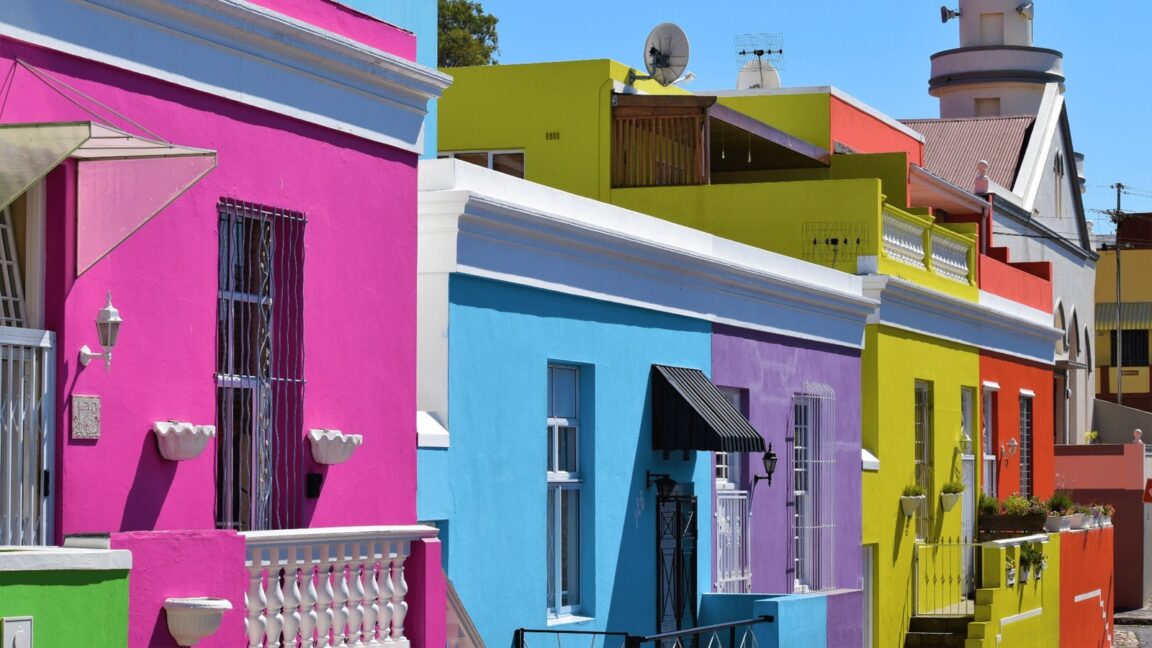
Photo: The brightly painted houses of Bo-Kaap, Cape Town, the historic neighbourhood above the city centre where many guests stay and eat. Image: Ken Treloar, via Unsplash.