 Aiko Tanaka
On a second trip, three days in Tokyo work best when the first-trip checklist is set aside on purpose: start Day 1 in Asakusa at dawn, before the crowds reach Senso-ji, give Day 2 afternoon to Shimokitazawa, the vintage, record shop and small theatre district on the west side, and use Day 3 for a single, deliberate day trip, with Kamakura as the easier call for most returning travellers and Nikko as the better call for travellers who want shrine architecture and mountain scenery and can accept a longer rail day. That order matters. Asakusa rewards an early start more than any other district in the city, Shimokitazawa rewards an unhurried afternoon rather than a morning dash, and the day trip works only if the decision is made the night before, not at the station.
Quick Facts
- Structure: Day 1 Asakusa at dawn, then the Sumida River and Kappabashi; Day 2 a slow west side day built around a Shimokitazawa afternoon; Day 3 one day trip, Kamakura or Nikko, not both.
- Senso-ji, Asakusa: The temple grounds are open 24 hours. The main hall is open 6:00 to 17:00 from April to September and 6:30 to 17:00 from October to March. Entry is free. Address 2-3-1 Asakusa, Taito City, about five minutes on foot from Asakusa Station.
- Kamakura by rail: Direct JR Yokosuka Line trains run from Tokyo Station to Kamakura in about 56 minutes, with no change.
- Nikko by rail: Direct Tobu limited express trains run from Asakusa to Tobu-Nikko in about 1 hour 50 minutes. By JR, the Tohoku Shinkansen runs from Tokyo to Utsunomiya in about 48 minutes, then the JR Nikko Line takes about 42 minutes, with one change.
- Base: Stay on the east side for the Asakusa start and the Nikko trains, or on the west side for Shimokitazawa and Shinjuku evenings. Either works, provided only one cross-city move is planned per day.
- Facts checked: Temple hours and rail times checked on 25 November 2026 against the Senso-ji official site, GO TOKYO, the official Tokyo tourism site, and JR East and Tobu timetable information. Check hours and trains again on the travel day, as both can change for festivals and maintenance.
What should a second-time visitor skip, and why?
Skipping, on a return trip, is not about dismissing famous places. It is about not paying for them twice with the scarcest resource on a three-day trip, which is unhurried time in one district. A first trip rightly centres on the headline circuit. A second trip gains more from depth: one temple seen properly at dawn instead of three seen at midday in a queue, one neighbourhood explored street by street instead of four photographed from a station exit, and one day trip chosen for what it adds rather than for how famous its name is.
That means, for most returning travellers, no repeat run at the busiest midday sights unless there is a specific reason, such as a seasonal display, a travelling companion who has never seen them, or an exhibition with a closing date. It also means resisting a second day trip. Kamakura and Nikko are both full days, and a half day from either produces the worst version of both. Compare this tighter plan with a first-time five-day Tokyo itinerary and with a five-day district by district Tokyo plan.
Day 1: Why does Asakusa reward a dawn start?
Arrive at Asakusa before the shopping street wakes up. Senso-ji is Tokyo’s oldest temple, and its grounds never close, so an early visit is not a trick or a loophole. It is simply the temple at its quietest. Enter through Kaminarimon, the gate with the large red lantern guarded by the wind and thunder gods, walk the roughly 250 metre Nakamise-dori while most of its shops are still shuttered, and continue through Hozomon to the main hall. In the October to March season the hall opens at 6:30, and at 6:00 in the warmer months, so a dawn visit can include the hall itself, not only the precinct outside it.
The difference an early start makes is practical as well as atmospheric. Later in the morning Nakamise-dori becomes a slow, shoulder to shoulder walk, and photographs of the gates are taken over other visitors’ heads. At dawn the approach reads as it was designed to read: gate, shopping street, second gate, hall and the five-storey pagoda in sequence. Allow a full, unhurried hour for the temple itself, longer if a morning service or a festival changes the rhythm of the grounds. Entry is free. Senso-ji is a working place of worship first and a sight second.
What fills the rest of the Asakusa day?
Once the temple is seen, Asakusa itself becomes the day’s subject. The side streets west and north of the grounds hold the older, lower city that the main approach only hints at, with small restaurants, traditional craft shops and theatre streets. Kappabashi, the kitchenware district within walking distance to the west, is a genuinely useful second-visit stop: it is where Tokyo restaurants buy knives, ceramics, lacquerware and the plastic food models displayed in restaurant windows, and browsing it explains a side of the city’s food culture that a restaurant meal alone does not. The Sumida River, a short walk east, gives the day its breathing space, with views back toward the temple district and across to Tokyo Skytree on the far bank.
Keep the evening in the east. Returning to Asakusa after dark is worthwhile in its own right: the main hall, pagoda, Hozomon and Kaminarimon are lit from sunset until about 23:00, the Nakamise shops are closed, and the precinct feels like a different place from the one seen at dawn. Seeing it at both ends of the same day is a second-visit pleasure that costs nothing and requires no booking.
Day 2: Why does Shimokitazawa belong in the afternoon?
Shimokitazawa, usually shortened to Shimokita, is the opposite kind of district to Asakusa, and that contrast is the point of putting it second. Where Asakusa is monumental and morning oriented, Shimokitazawa is low, narrow and afternoon oriented. GO TOKYO, the official Tokyo tourism site, describes it in terms of its used clothing shops, cafes and record stores, and that remains the honest core of a visit: vintage and secondhand clothing in dense concentration, small independent shops, coffee houses, live music venues and small theatres tucked into streets that were never planned for crowds.
An afternoon arrival suits how the district works. Many small shops open late in the morning or around midday, vintage browsing rewards daylight for checking condition and fit, and the cafes and bars come into their own as the afternoon turns into evening. Arriving at 10:00 to beat a crowd that does not exist only means standing outside shuttered shops. Arriving after lunch means the district is fully open, and the visit can run naturally from browsing into an early evening drink and a small venue show or a record shop’s listening corner, without a change of neighbourhood.
How should the Shimokitazawa afternoon be paced?
Work the streets on both sides of the station rather than treating one shopping street as the whole district. Shimokitazawa Station is served by the Odakyu Line from Shinjuku and the Keio Inokashira Line from Shibuya, so it pairs easily with either west side base. Give the vintage shops a loose circuit first, with a budget and one or two target items in mind, because the density of stock can turn an afternoon into unfocused rummaging. Then slow down: a cafe stop, the book and record shops, and the newer development on the former rail land beside the station, which has added open space and small shops without erasing the older streets around it.
The evening choice on Day 2 is between staying in Shimokitazawa, where the scale stays small and local, and moving one stop pattern east to Shinjuku or Shibuya for a bigger night district. On a second trip, staying put is usually the better call. The large west side stations and their neon canyons are first-trip essentials; a return trip is when the smaller, residential scale of a district like Shimokitazawa, where the evening crowd is largely people who live nearby, becomes the experience itself. If energy remains, a late return through Shinjuku Station still gives a taste of the big city night without building the whole evening around it.
Day 3: Kamakura or Nikko, which day trip is right?
This is the one decision the itinerary cannot make generically, so it should be made on evidence, the night before Day 3, using three questions. How much travel time is acceptable on the final day? Is the priority coastal temple town atmosphere or monumental shrine architecture in the mountains? And how much walking on slopes and stone steps is realistic after two full city days? The answers point clearly one way or the other, because the two trips differ in kind, not just in distance.
When is Kamakura the right answer?
Choose Kamakura for the lower friction day. The direct JR Yokosuka Line from Tokyo Station takes about 56 minutes to Kamakura Station with no change, which means a later start, an earlier return, and a day that still leaves an evening in Tokyo. Kamakura was a seat of government in the medieval period, and its sights are spread between the station area, the Kita-Kamakura temple cluster one stop back toward Tokyo, and the Hase area, home to the Great Buddha and Hase-dera, reached by the small Enoden line. The town also has a coast, which neither central Tokyo nor Nikko offers, and a main shopping street that makes lunch and souvenir stops simple rather than logistical problems.
Kamakura suits travellers who want temples in a walkable small town rather than a mountain complex, who are travelling with children or with anyone for whom a two hour each way rail day is too much, or who need Day 3 to end gently because of an early departure the next morning. Its weakness is popularity: the central streets and the Great Buddha can be very busy by late morning, so the Asakusa lesson applies again. Take an early train, start at Kita-Kamakura or Hase rather than in the centre, and work back toward the station.
When is Nikko worth the longer day?
Choose Nikko when the shrine complex is itself the goal. Nikko’s Toshogu Shrine and the surrounding shrines and temples form a World Heritage listed group of a scale and decorative richness unlike anything in Tokyo or Kamakura, set in cedar forest above the town. That quality comes at a price in time. The direct Tobu limited express from Asakusa reaches Tobu-Nikko in about 1 hour 50 minutes, and the JR alternative, Shinkansen to Utsunomiya in about 48 minutes plus the JR Nikko Line for about 42 minutes, involves a change and a connection wait. From either Nikko station there is still a bus ride or an uphill walk of roughly half an hour to the shrine area, and the sights themselves involve slopes and steps.
Nikko therefore suits travellers who have not seen it, who care specifically about Tokugawa era art and architecture, or who want mountain air and, in autumn, some of the most celebrated fall colour near Tokyo. It is less suited as a casual add-on. A Nikko day should start on one of the earliest practical trains, focus on the shrine area rather than attempting the lake and waterfall further up the mountain as well, and accept a return to Tokyo in the evening with no further plans. Travellers weighing rail costs for either trip should check whether a pass actually helps on their wider route, a question covered in detail in the Japan Rail Pass guide on when the pass still pays. Note that the Tobu route to Nikko is not a JR service, so JR passes do not cover that direct train.
Where should a second-time visitor base themselves?
Two bases serve this plan well. An east side base in or near Asakusa or Ueno makes Day 1 effortless, puts the Tobu Nikko trains at the local station, and keeps the JR lines for Kamakura within easy reach via Tokyo Station. A west side base near Shinjuku or Shimokitazawa itself makes Day 2 effortless and shortens the evening returns, at the cost of a cross-city ride to Asakusa on Day 1, which is painless precisely because that start is early, before the busiest commuting period on the relevant lines. What does not work is changing hotels mid trip on a three-day stay. The packing, checkout and check-in time costs more than any single journey saved.
Keep one rule throughout: one anchor district per day, reached once, explored on foot, and left once. Tokyo’s rail network makes stitching four districts into a day tempting, but station time and transfers are where the hours actually go.
Frequently Asked Questions
Is Senso-ji really open at dawn?
Yes. The grounds are open 24 hours, and the main hall opens at 6:00 from April to September and at 6:30 from October to March, closing at 17:00. Entry is free. An arrival soon after the hall opens gives the quietest visit of the day.
How long does the train to Kamakura take?
About 56 minutes from Tokyo Station to Kamakura Station on a direct JR Yokosuka Line train, with no change. Allow extra time for the walk from the station to individual temples, and for the Enoden line if visiting Hase.
How long does the train to Nikko take?
About 1 hour 50 minutes from Asakusa to Tobu-Nikko on a direct Tobu limited express. By JR, allow about two hours in total, including the change at Utsunomiya between the Tohoku Shinkansen and the JR Nikko Line, plus onward bus or walking time to the shrine area.
Can Kamakura and Nikko be combined in one day?
No, not sensibly. They lie in opposite directions from Tokyo, south and north, and each needs a full day. Combining them would mean most of the day on trains and a rushed hour at each. Pick one, using the travel time and interest tests in the Day 3 section above.
When should Shimokitazawa be visited?
In the afternoon and into the early evening. Many small shops open late morning or around midday, vintage browsing is better in daylight, and the cafes, bars and small venues carry the visit naturally into the evening. A morning arrival finds much of the district still closed.
Do I need to book the Nikko trains in advance?
Tobu limited express services to Nikko are reserved seat trains, so booking ahead for a specific early departure is sensible, especially on weekends and in autumn colour season. JR local services to Kamakura are unreserved commuter trains and need no booking. Check current booking rules with the operator before travel.
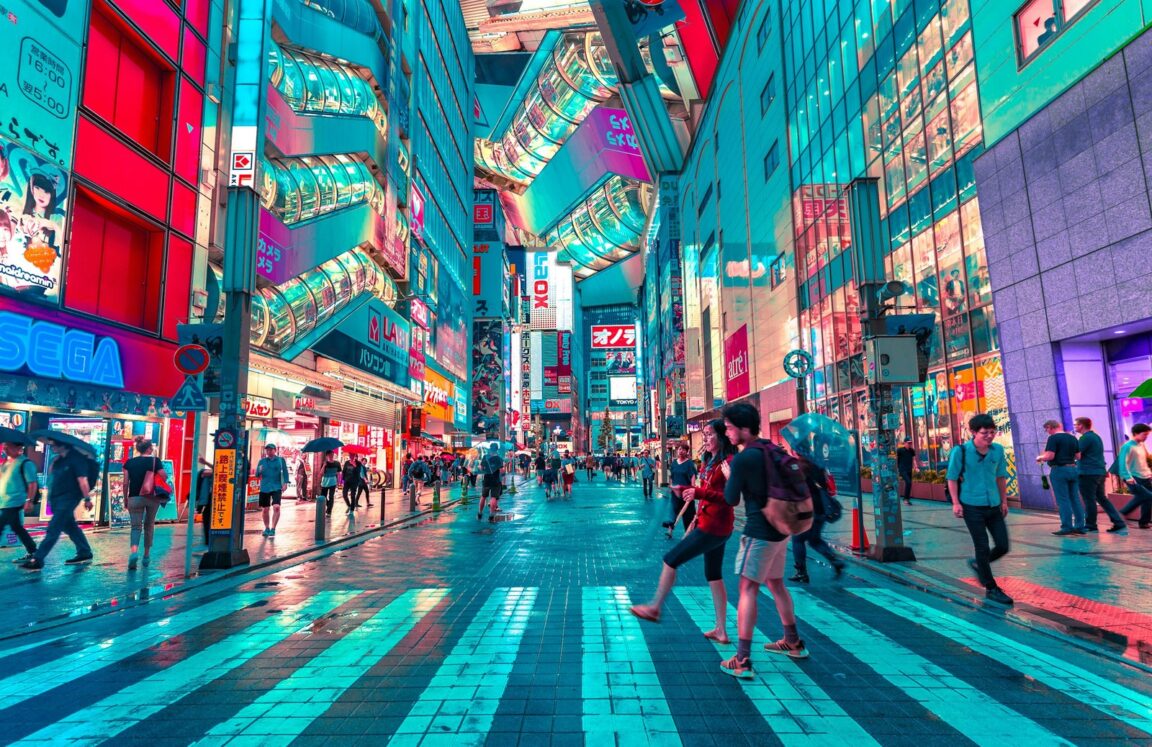
Image credit: Tokyo, photographed by Jezael Melgoza, via Unsplash (Unsplash License).